Bogus Bills Trigger Valid Reopening: HC Dismisses Writ Against Reassessment:
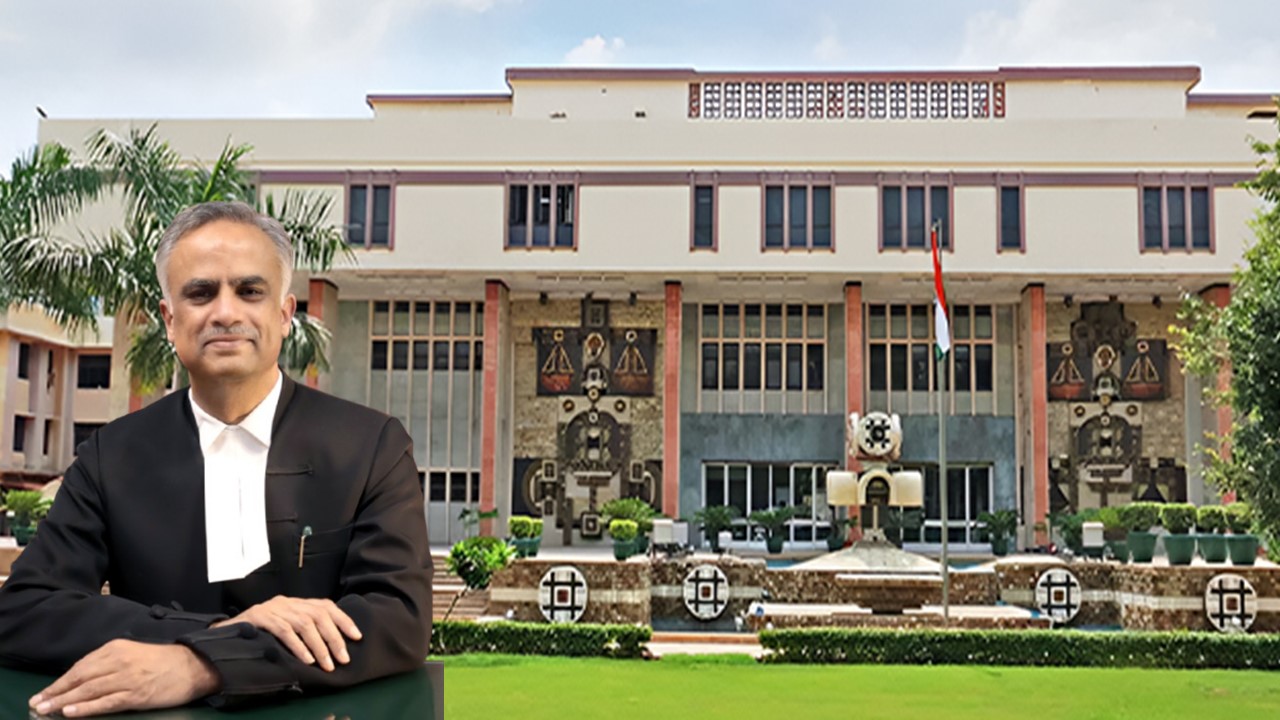
High Court upholds reassessment for AY 2019-20; finds sufficient material with AO on alleged bogus purchase; petition dismissed.
Court finds sufficient material with AO; petition against reassessment dismissed
 Meetu Kumari
 Sep 27, 2025
Bogus Bills Trigger Valid Reopening: HC Dismisses Writ Against Reassessment
The petitioner, a partnership firm engaged in trading of ferrous and non-ferrous metals, filed its return for AY 2019-20 declaring income of Rs. 40.90 lakh. Based on information from the investigation wing and the Risk Management Strategy of CBDT, the Assessing Officer alleged bogus purchases of Rs. 88.86 lakh from M/s Karthik Alloys Pvt. Ltd., an entity found engaged in issuing accommodation bills. Notices under Section 148A(1) were issued in March 2025, and the petitioner filed replies with supporting documents such as purchase bills, GST returns, bank statements, transportation records and NCLT orders. However, the AO held that these did not satisfactorily explain the transactions and proceeded to reopen the case under Section 147/148.
The petitioner argued that the reassessment was mechanically initiated, without proper application of mind or compliance with CBDT’s 2021–22 guidelines mandating enquiry, speaking order, and due consideration of replies. It contended that liquidation of Karthik Alloys could not itself render the entity bogus, and that the AO had ignored evidence on record. The Revenue countered that Karthik Alloys was a paper entity issuing fraudulent invoices, and that the petitioner’s purchases were sham, suppressing taxable profit.
Issue Raised: Whether reassessment proceedings for AY 2019-20 could be sustained when based on alleged bogus purchases from M/s Karthik Alloys Pvt. Ltd., despite the assessee’s replies and supporting documents.
HC’s Decision: The Court held that initiation of reassessment was justified, as there was sufficient material before the AO under Section 148A, drawn from CBDT’s Risk Management Strategy. It noted that the petitioner was given notice and had responded, and therefore, principles of natural justice were not violated. The sufficiency of evidence to establish escapement of income was a matter for the AO to examine in reassessment proceedings, not for judicial review.
Thus, the Court dismissed the writ petition, upholding the reassessment order dated 28.06.2025 and the related notice under Section 148 for AY 2019-20.
To Read Full Judgment, Download PDF Given Below
About Author


Meetu Kumari
Content Manager
Meetu Kumari is an Experienced Advocate and Content Writer with 4+ years of demonstrated history of working in the law practice industry. Skilled in Developing Content, Researching, and Drafting. Strong professional with a Bachelor of Science (B.Sc.) focused on Law from Gujarat National Law University.
Meetu Kumari is an Experienced Advocate and Content Writer with 4+ years of demonstrated history of working in the law practice industry. Skilled in Developing Content, Researching, and Drafting. Strong professional with a Bachelor of Science (B.Sc.) focused on Law from Gujarat National Law University.
 Studycafe
 Jodhpur, Rajasthan, India
 2264
2264My Recent Articles
- ITAT Condones 302-Day Delay, Restores Salary Assessment for Fresh VerificationPremium
- ITAT Condones Delay After Tax Consultant's Death, Restores Appeals for Fresh HearingPremium
- ITAT Remands Salary Addition, Says Taxability Depends on Salary Becoming Due, Not Mere ReceiptPremium
- ITAT Deletes TP Royalty Adjustment, Orders Fresh Review of Commission BenchmarkingPremium
- ITAT Quashes Reassessment Over Unsigned Section 148 Notice Issued to AssesseePremium
Up Next
Loading suggestions…


Recent Posts
All Posts

Recent Posts
All Posts