Government may Abandon the Concept of E-Invoicing for Retail Businesses
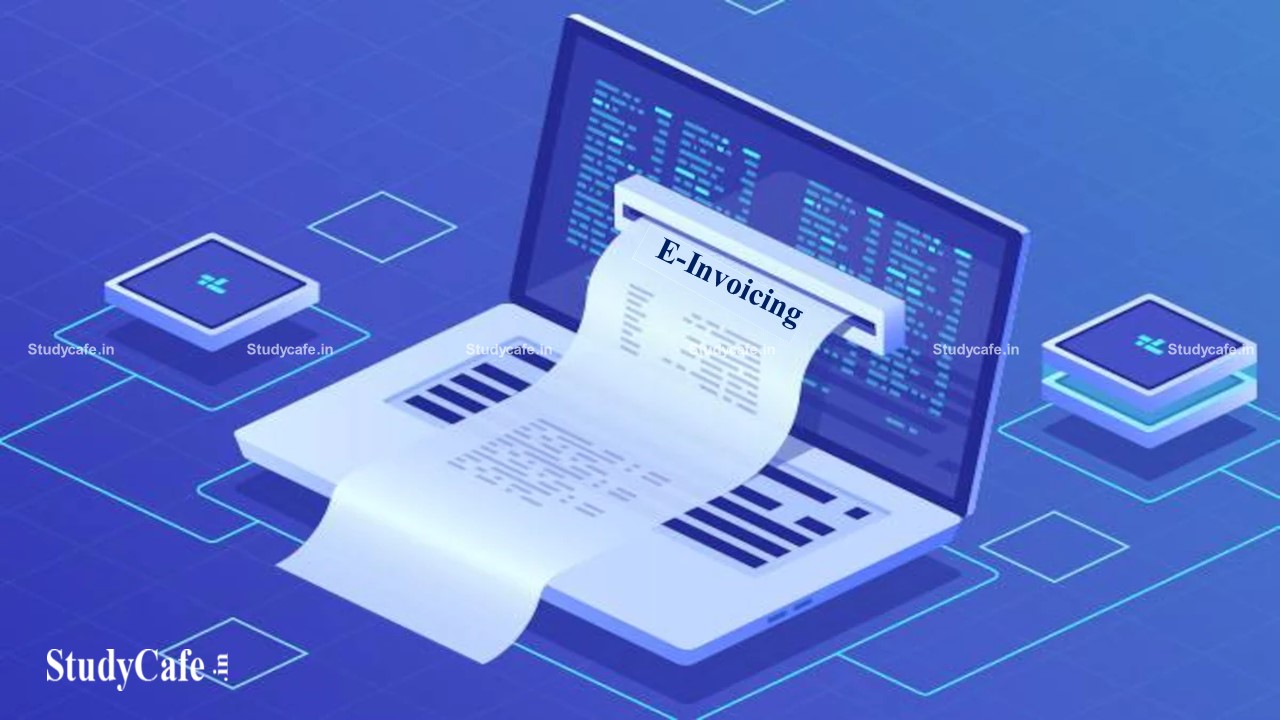
Government may Abandon the Concept of E-Invoicing for Retail Businesses The government may not extend e-invoicing to retailers because it believes th…
 Sushmita Goswami
 Mar 17, 2022
Government may Abandon the Concept of E-Invoicing for Retail Businesses
The government may not extend e-invoicing to retailers because it believes that further expansion of compliance requirements requires careful consideration, stated by a person familiar with the development.
E-invoicing, or real-time reporting of sales by businesses on the goods and services tax (GST) portal, is currently required for business-to-business (B2B) transactions involving companies with a turnover of at least 50 crore. From 1 April, it will be extended to those with sales of 20 crore or more, bringing a large portion of economic activity under the regulatory purview of GST authorities.
The original plan was to make e-invoicing mandatory for all B2B transactions and eventually for retail sales, in order to improve tax compliance. However, policymakers are now of the view that the ₹20 crore sales threshold is comprehensive.
"Further lowering of the turnover threshold for e-invoicing necessitates careful consideration of the benefits. E-invoicing of business-to-consumer transactions could increase reporting volumes but provide no actual benefits," the person cited above said, requesting anonymity.
While GST is collected at each stage based on the extent of value addition, the retail level will have a high transaction volume but a low tax amount on individual invoices. According to the source, tracking retail transactions may not yield many results and may not be useful for tax enforcement. An email sent to the finance ministry on Tuesday went unanswered until the time of publication.
According to experts, the policy choice makes perfect sense. "The 20 crore turnover threshold for B2B transactions appears to be sufficient for meaningful economic activity oversight for tax enforcement. Not bringing retail sales under e-invoicing is a good policy choice because the final retail consumer is not eligible for any input tax credit in the indirect tax system," said Rajat Mohan, senior partner at accounting firm AMRG and Associates.
According to Mint, the 20 crore threshold will add nearly 180,000 GST identification numbers (GSTINs) to the real-time e-invoicing system. Depending on the number of states in which a company operates, it may have more than one GSTIN.
About Author


Sushmita Goswami
Content Manager
Sushmita Goswami is a content writer with 2+ years of experience in Finance, Recruitment, Education and career Related Content. She is a Graduate from Delhi University in Journalism and Mass Communication
Sushmita Goswami is a content writer with 2+ years of experience in Finance, Recruitment, Education and career Related Content. She is a Graduate from Delhi University in Journalism and Mass Communication
 Studycafe
  New Delhi , Delhi, India
 886
886My Recent Articles
- What to Consider When Choosing an Online Trading Platform?
- Post Office Franchise Scheme: Take Post Office Franchise at Rs 5000 and Earn Commission upto 20%; Check Details Here
- IAN invests INR 4.5 crore in Fintech NBFC Indium Finance
- UPI a Digital Public Good, No Charges in Consideration: Finance Ministry
- ITR Filing Penalty: Check Taxpayers Exempt from Paying a Late Fee even Missing the Deadline
Up Next
Loading suggestions…


Recent Posts
All Posts
Recent Posts
All Posts