GST: High Court Shields Buyer ITC, Bars Recovery Without Action Against Seller:
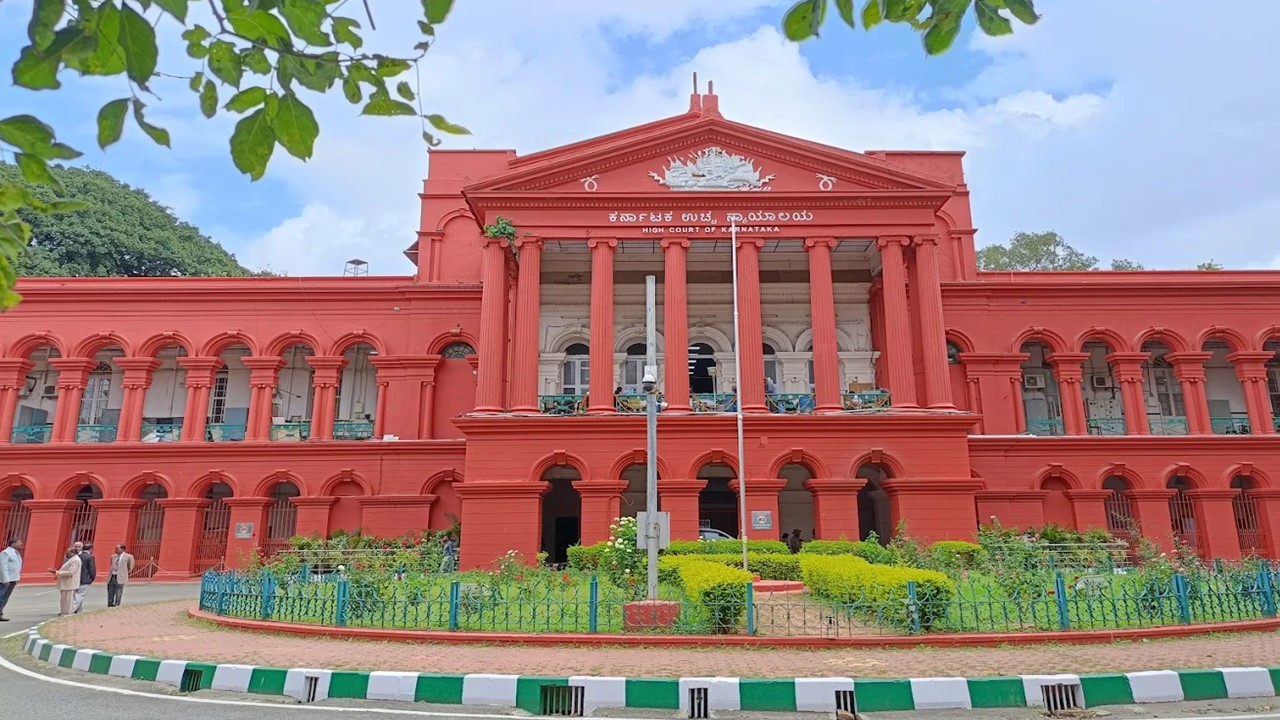
Court protects bona fide buyer, directs revenue to first recover tax from defaulting sellers
No ITC denial for genuine buyer without pursuing seller first
 Meetu Kumari
 Mar 31, 2026
The petitioner, M/s Instakart Services Private Limited, challenged the constitutional validity of Section 16(2)(c) of the CGST Act, 2017, and subsequent demand notices issued by the GST authorities. The Revenue had denied Input Tax Credit (ITC) to the petitioner and sought to recover the same, along with interest and penalties, on the grounds that the tax collected by the selling dealers had not been actually deposited into the Government treasury.
The petitioner argued that they were a bona fide purchaser who had fulfilled all legal requirements, including making full payments (including tax) to the sellers via banking channels and ensuring the goods were physically received. They contended that punishing a genuine buyer for the administrative or criminal default of a seller over whom they have no control—is arbitrary and violates their fundamental rights.Main Issue: Whether ITC can be denied to a bona fide purchaser under Section 16(2)(c) CGST Act due to the seller’s failure to deposit tax, and whether the Revenue must first proceed against the defaulting seller.

About Author


Meetu Kumari
Content Manager
 Studycafe
 Jodhpur, Rajasthan, India
 2264
2264My Recent Articles
- ITAT Condones 302-Day Delay, Restores Salary Assessment for Fresh VerificationPremium
- ITAT Condones Delay After Tax Consultant's Death, Restores Appeals for Fresh HearingPremium
- ITAT Remands Salary Addition, Says Taxability Depends on Salary Becoming Due, Not Mere ReceiptPremium
- ITAT Deletes TP Royalty Adjustment, Orders Fresh Review of Commission BenchmarkingPremium
- ITAT Quashes Reassessment Over Unsigned Section 148 Notice Issued to AssesseePremium
Loading suggestions…


Recent Posts
All Posts


Recent Posts
All Posts