GSTAT: Cinema Hall Directed to Deposit Rs. 16.50 Lakh Profiteered by Not Passing GST Rate Cut:
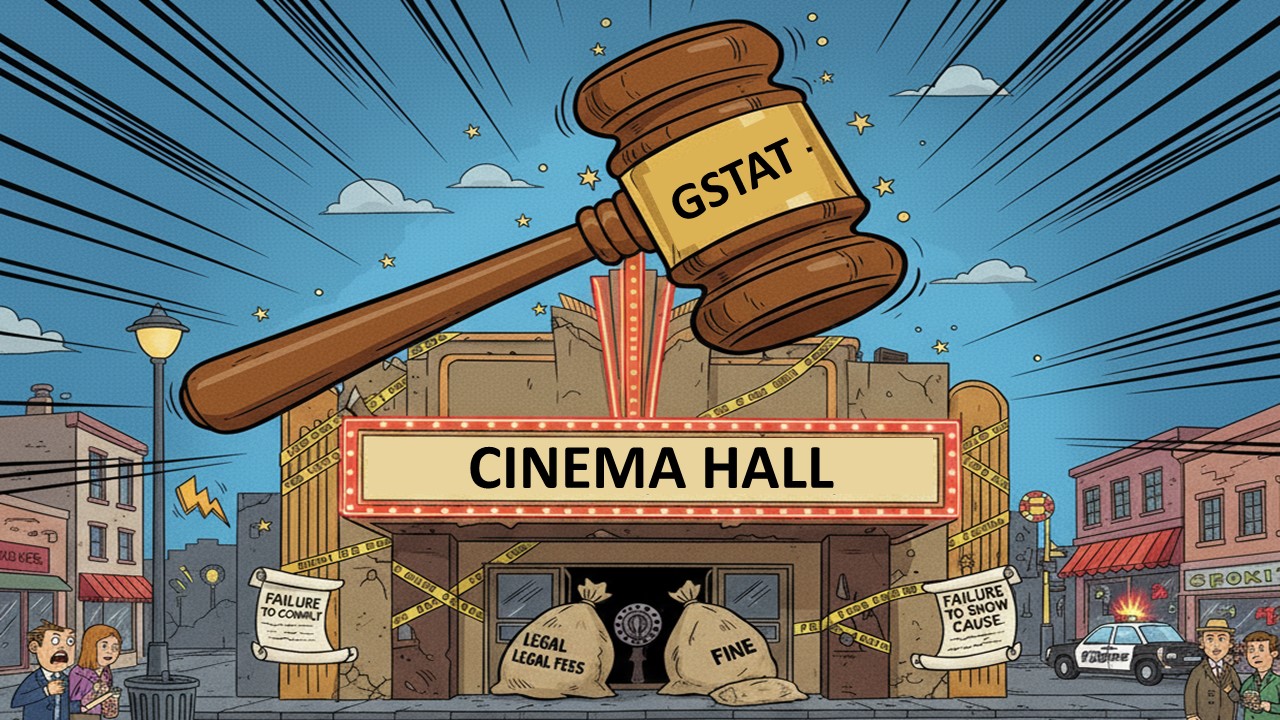
GSTAT holds theatre guilty of profiteering by not reducing ticket prices after GST rate cut on cinema tickets; directs deposit of amount with limited interest for three days only
GSTAT holds that 18% interest under Rule 133(3)(c) applies prospectively from 28 June 2019
 Meetu Kumari
 Oct 10, 2025
GSTAT: Cinema Hall Directed to Deposit Rs. 16.50 Lakh Profiteered by Not Passing GST Rate Cut
In a recent case, profiteering by a theatre owner who failed to pass on the benefit of the GST rate reduction on cinema tickets from 28% to 18% and from 18% to 12% effective 1 January 2019. The Directorate General of Anti-Profiteering (DGAP) found that during January-June 2019, the theatre continued charging higher ticket prices without corresponding reduction, resulting in a net profiteering of Rs. 16,50,166.
a The respondent argued that ticket rates were fixed under the Telangana Cinemas (Regulation) Act, 1955, and subsequent Government Orders, and that the High Court of Telangana had allowed theatres to set ticket prices within notified limits. It was also claimed that ticket prices already included Rs. 3 per ticket as tax-free maintenance charges, and that market dynamics and rising costs justified the pricing.
Main Issue: Whether the respondent profiteered by not reducing ticket prices after the GST rate cut and whether interest @18% under Rule 133(3)(c) applies retrospectively or prospectively.
GSTAT’s Ruling: The tribunal held that the theatre had indeed profiteered Rs. 16.50 lakh by not passing on the tax benefit to consumers. However, following the principles laid down in CIT v. Vatika Township Pvt. Ltd. and its own earlier ruling in DGAP v. Procter & Gamble Group (2025), it concluded that the power to impose 18% interest under Rule 133(3)(c) was introduced only prospectively from 28 June 2019.
Therefore, interest was limited to the three days (28-30 June 2019). The respondent was directed to deposit Rs. 16.50 lakh, along with Rs. 27,350 as interest, in equal proportion into the Central and State Consumer Welfare Funds within one month. The concerned Commissioner was instructed to ensure compliance within four months. Appeal partly allowed; interest restricted to three days post amendment.
To Read Full Judgment, Download PDF Given Below
About Author


Meetu Kumari
Content Manager
Meetu Kumari is an Experienced Advocate and Content Writer with 4+ years of demonstrated history of working in the law practice industry. Skilled in Developing Content, Researching, and Drafting. Strong professional with a Bachelor of Science (B.Sc.) focused on Law from Gujarat National Law University.
Meetu Kumari is an Experienced Advocate and Content Writer with 4+ years of demonstrated history of working in the law practice industry. Skilled in Developing Content, Researching, and Drafting. Strong professional with a Bachelor of Science (B.Sc.) focused on Law from Gujarat National Law University.
 Studycafe
 Jodhpur, Rajasthan, India
 2264
2264My Recent Articles
- ITAT Condones 302-Day Delay, Restores Salary Assessment for Fresh VerificationPremium
- ITAT Condones Delay After Tax Consultant's Death, Restores Appeals for Fresh HearingPremium
- ITAT Remands Salary Addition, Says Taxability Depends on Salary Becoming Due, Not Mere ReceiptPremium
- ITAT Deletes TP Royalty Adjustment, Orders Fresh Review of Commission BenchmarkingPremium
- ITAT Quashes Reassessment Over Unsigned Section 148 Notice Issued to AssesseePremium
Up Next
Loading suggestions…


Recent Posts
All Posts

Recent Posts
All Posts