Gurgaon Resident Hit with ₹18 Lakh Unexplained Income Addition Based on Alleged Cash Rent from Liquor Group; ITAT Orders Fresh Assessment:
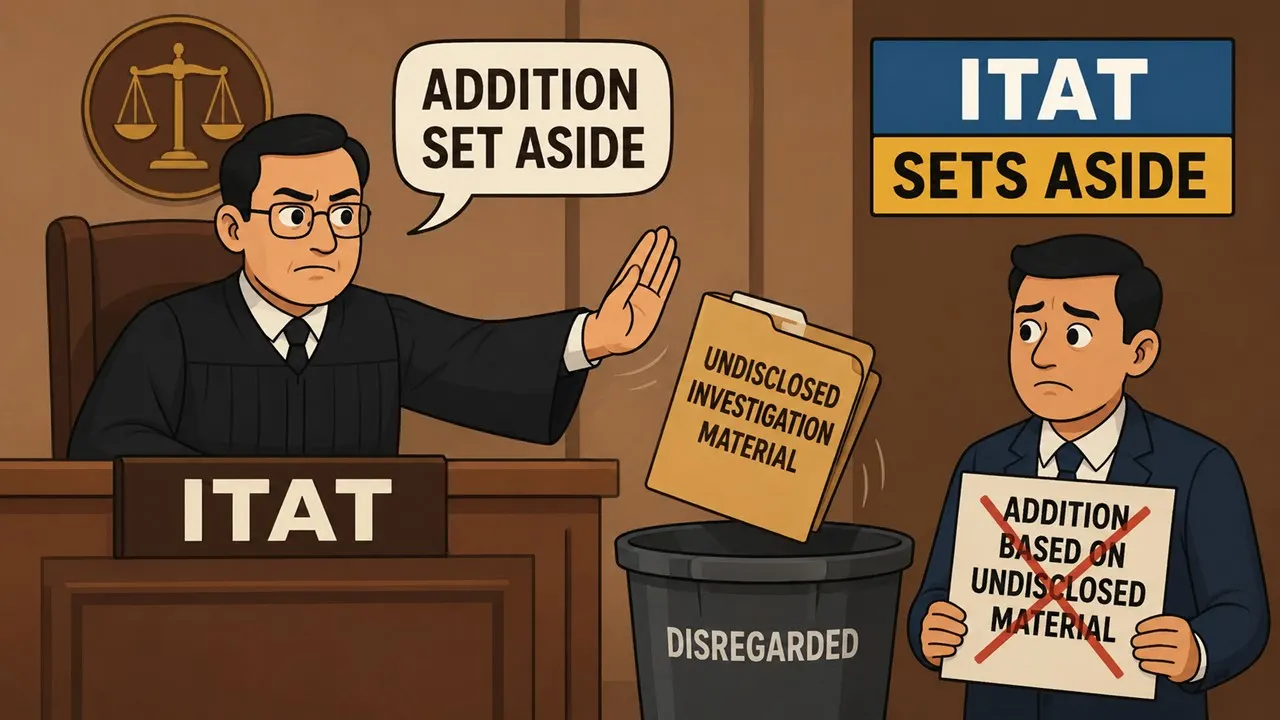
Tribunal remands matter after finding assessee denied access to relied-upon evidence and statements.
Tribunal Stresses Importance of Fair Hearing and Natural Justice
 Meetu Kumari
 Jun 13, 2026
Gurgaon Resident Hit with Rs. 18 Lakh Unexplained Income Addition Based on Alleged Cash Rent from Liquor Group; ITAT Orders Fresh Assessment
The Delhi Bench of the Income Tax Appellate Tribunal (ITAT) held that an addition cannot be sustained solely on the basis of materials and statements that were never furnished to the assessee. Observing a clear violation of the principles of natural justice, the Tribunal set aside the addition of Rs.18 lakh made under Section 69A of the Income Tax Act, 1961 and remanded the matter to the Assessing Officer for fresh adjudication. The Bench comprising Judicial Member Madhumita Roy and Accountant Member Amitabh Shukla allowed the assessee’s appeal for statistical purposes.

The dispute arose after the Income Tax Department received information from an investigation conducted in the case of the Lakeforest Wines Group. According to the investigation report, the assessee, Sunil Yadav, had allegedly received cash rent of Rs.18 lakh during FY 2021-22 from the group. Based on this information, the Assessing Officer treated the amount as unexplained money under Section 69A and taxed it under Section 115BBE.
The assessment order relied upon an alleged statement recorded from the assessee under Section 131, wherein he was stated to have admitted receipt of cash rent from Lakeforest Wines Group. The Assessing Officer also referred to findings emerging from the search conducted on the group and concluded that the rental income had not been disclosed in the return of income.

Before the Tribunal, the assessee strongly disputed the allegation and contended that he did not own any property from which such rental income could have been earned. It was further submitted that an affidavit denying ownership of any such property and receipt of rent had been filed before the authorities. The assessee also argued that no rent agreement, rent receipt, confirmation from the alleged tenant, bank trail, or any other corroborative evidence had been brought on record by the Department.
The Tribunal noted that both the Assessing Officer and the first appellate authority had relied heavily upon investigation reports and alleged statements without establishing that the underlying material had ever been supplied to the assessee.
“It is also settled principle of law that the phrase ‘adequate opportunity of being heard’ would include confronting all material which is being used against a litigant.”
The Bench observed that there was nothing on record to show that the assessee had been provided copies of the evidence, statements, or investigation material forming the basis of the addition. It further remarked that the CIT(A) had sought a remand report from the Assessing Officer but proceeded to decide the appeal without waiting for the report and without properly appreciating the factual aspects of the case.
“The Court cannot consider evidences which have not been provided to a litigant.”
Holding that the assessee had not been granted an effective opportunity to defend himself, the Tribunal set aside the orders of the lower authorities and restored the matter to the Assessing Officer for de novo assessment. The Bench directed the Assessing Officer to provide all relevant material, including the alleged statement recorded under Section 131, and thereafter pass a speaking order after granting adequate opportunity of hearing to the assessee. Thus, the appeal was allowed for statistical purposes.
About Author


Meetu Kumari
Content Manager
 Studycafe
 Jodhpur, Rajasthan, India
 2264
2264My Recent Articles
- ITAT Condones 302-Day Delay, Restores Salary Assessment for Fresh VerificationPremium
- ITAT Condones Delay After Tax Consultant's Death, Restores Appeals for Fresh HearingPremium
- ITAT Remands Salary Addition, Says Taxability Depends on Salary Becoming Due, Not Mere ReceiptPremium
- ITAT Deletes TP Royalty Adjustment, Orders Fresh Review of Commission BenchmarkingPremium
- ITAT Quashes Reassessment Over Unsigned Section 148 Notice Issued to AssesseePremium
Loading suggestions…


Recent Posts

All Posts


Recent Posts
All Posts