HC Acquits Accused in Cheque Bounce Case Citing Illegal Cash Loan:
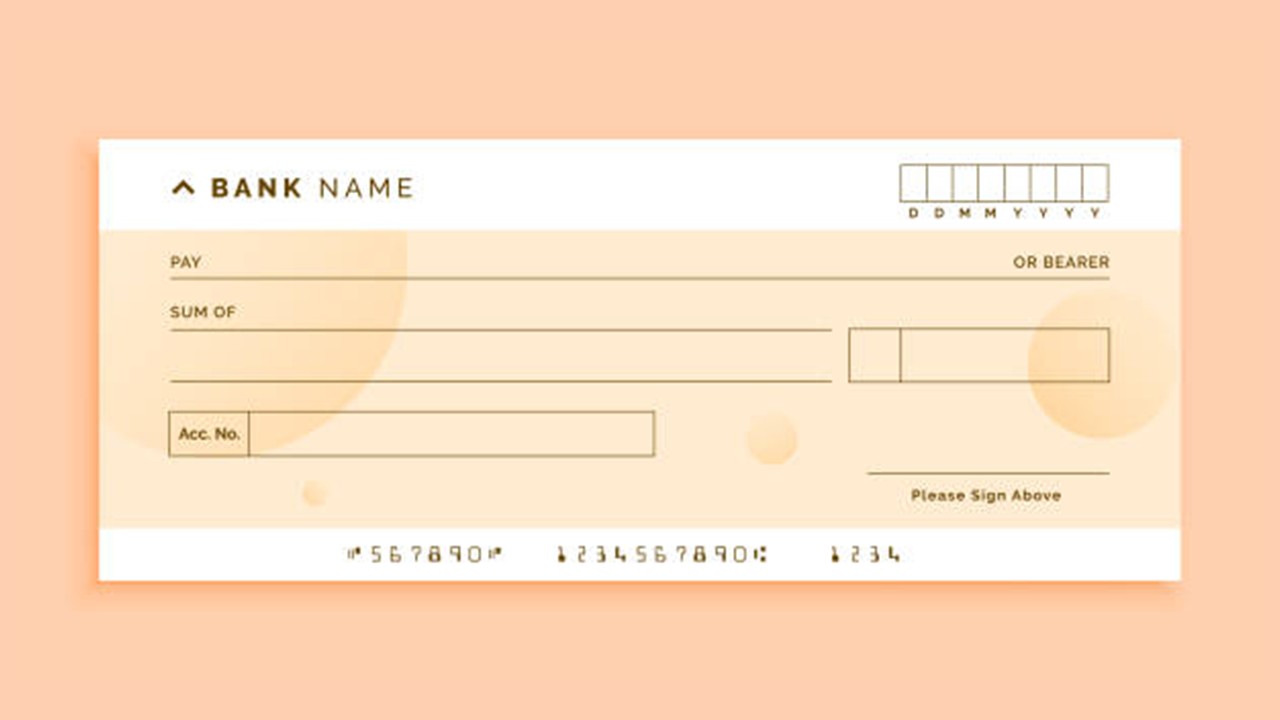
High Court acquits accused in cheque bounce case; rules 9 lakh cash loan violated Section 269SS and was not a legally enforceable debt.
HC: Cash Loan Over Rs. 20,000 Not Legally Enforceable Under NI Act
 Meetu Kumari
 Jul 29, 2025
The present case arose from a complaint under Section 138 of the Negotiable Instruments Act, 1881 (NI Act). The complainant alleged that the accused borrowed Rs. 9,00,000 in cash and issued a cheque for repayment, which was dishonored due to insufficient funds. The JM Court convicted the accused sentencing him to 1 year imprisonment, and directed him to pay compensation equal to the cheque amount. The conviction was upheld in appeal. Aggrieved, the accused approached the HC in revision.
The accused contended that the alleged cash transaction violated Section 269SS of the Income Tax Act, 1961, which prohibits loans or deposits of Rs. 20,000 or more in cash, and therefore could not create a legally enforceable debt. The complainant, however, maintained that even if the transaction violated tax provisions, it still supported a presumption of enforceable liability under Section 139 of the NI Act.
Issue Raised: Whether a cheque issued towards repayment of a cash loan above Rs. 20,000, in violation of Section 269SS of the Income Tax Act, could be considered for a “legally enforceable debt” under Section 138 of the NI Act. HC's Ruling: The High Court granted the revision and cleared the defendants, ruling that a cash loan exceeding Rs. 20,000 that violates Section 269SS of the Income Tax Act cannot be regarded as a "legally enforceable debt" unless it is justified under Section 273B. The Court pointed out that although Section 139 of the NI Act creates a presumption in the complainant's favour, it is rebuttable. The presumption was rebutted since the complainant acknowledged not paying taxes on the purported cash loan but provided no justification. The Court underlined that acknowledging such loans would be in violation of both the government's "Digital India" initiative and the law prohibiting unaccounted transactions. Future cash advances exceeding Rs. 20,000 without a valid reason will not be enforceable for Section 138 NI Act proceedings, it was decided. As a result, the conviction and punishment were overturned. To Read Complete Judgment, Download PDF Given Below
About Author


Meetu Kumari
Content Manager
 Studycafe
 Jodhpur, Rajasthan, India
 2264
2264My Recent Articles
- ITAT Condones 302-Day Delay, Restores Salary Assessment for Fresh VerificationPremium
- ITAT Condones Delay After Tax Consultant's Death, Restores Appeals for Fresh HearingPremium
- ITAT Remands Salary Addition, Says Taxability Depends on Salary Becoming Due, Not Mere ReceiptPremium
- ITAT Deletes TP Royalty Adjustment, Orders Fresh Review of Commission BenchmarkingPremium
- ITAT Quashes Reassessment Over Unsigned Section 148 Notice Issued to AssesseePremium
Loading suggestions…


Recent Posts
All Posts

Recent Posts
All Posts