High Court Upholds Penalty on CHA employees found negligent during clearance process:
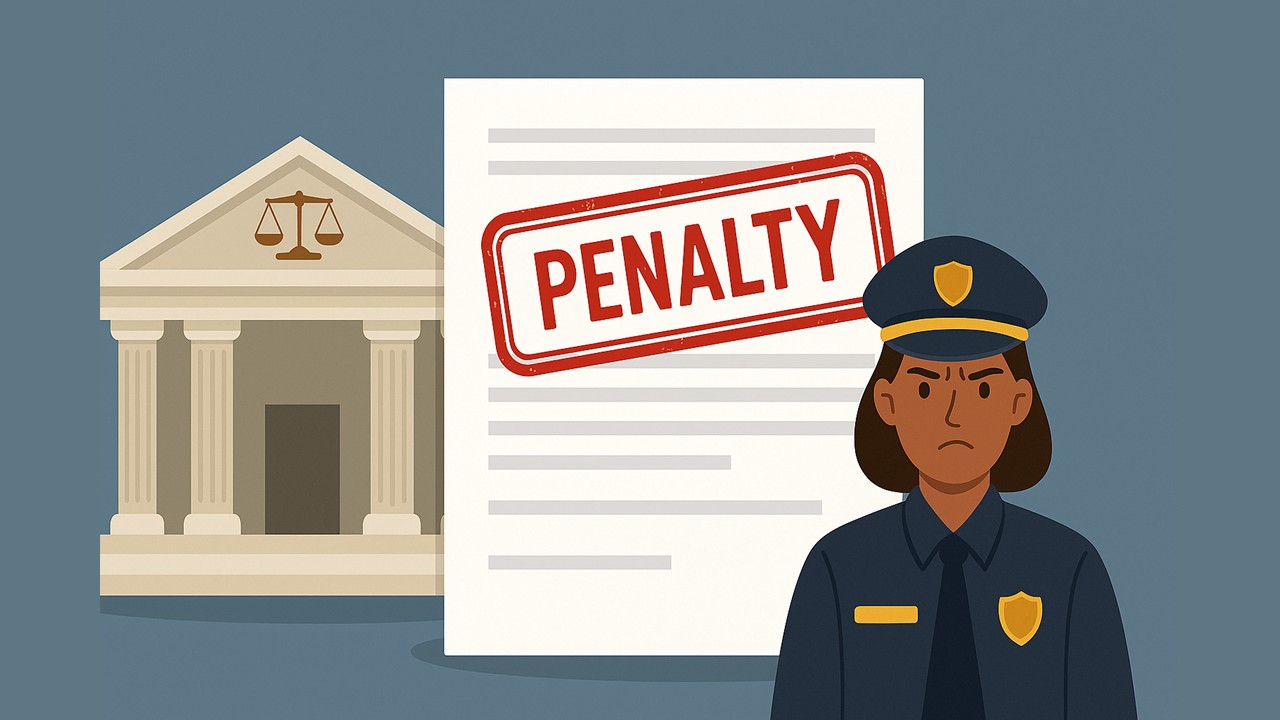
High Court affirms reduction of penalty to Rs. 10,00,000 each on two CHA employees under Section 112 of the Customs Act for failing to verify importer credentials and enabling attempted smuggling.
Court finds no question of law; holds that CHA employees failed to exercise due diligence and allowed misuse of licence for attempted smuggling.
 Meetu Kumari
 Oct 17, 2025
High Court Upholds Penalty on CHA employees found negligent during clearance process
The case was based on a seizure where foreign cigarettes valued at Rs. 3,40,74,000 were concealed in a declared consignment of mattresses under Bill of Entry No. 8358278. The consignment was searched on 30 October 2012, when it was revealed that it was a clear attempt to smuggle. A Show Cause Notice dated 23 April 2013 was issued thereafter, and the Order-in-Original of 6 September 2017 levied penalties of Rs. 50,00,000 each upon several individuals, including officers of the Customs House Agent who were dealing with the consignment. The order recorded that these goods were liable for confiscation under Sections 111(d) and 111(m) of the Customs Act, 1962, and that penalties were warranted under Section 112(a) and 112(b) for acts of omission and commission leading to the illegal importation. Both appellants were among those penalised for facilitating the clearance of the consignment by failing to ensure verification of the importer’s credentials.
CESTAT Held: On appeal, the Customs, Excise & Service Tax Appellate Tribunal (CESTAT) considered in detail the roles of the CHA firm’s staff. It found that one employee, a G-card holder, had not participated in the clearance and that his signature on documents was forged; his penalty was therefore waived. The other two, one an H-card holder and the other a supervisory employee, had been in charge of handling and overseeing clearances for the firm. Evidence showed that they had knowledge of the consignments’ sensitive nature and failed to verify the importer’s bona fides. Although CESTAT accepted that they were salaried employees of limited means, it concluded that their negligence breached the obligations imposed on CHA personnel under the Customs House Agents Regulations 2004. The Tribunal accordingly reduced their penalties from Rs. 50,00,000 to Rs. 10,00,000 each, while fully waiving penalty for the uninvolved employee.
Issue Raised: Whether penalties under Sections 112(a) and 112(b) of the Customs Act could be further reduced or set aside where the appellants were salaried CHA employees found negligent in discharging their due diligence obligations during the clearance process.
HC’s Decision: The High Court found that no substantial question of law was involved. It accepted the conclusion that both appellants, one directly engaged in the clearance operations and the other supervising the work, were aware of the sensitivity of the consignments and failed to fulfil the obligations imposed upon them as CHA personnel. The Court observed that the CHA firm’s licence had been used for clearance of mis-declared goods because of their dereliction of duty. Emphasising the critical role of Customs House Agents and their staff, the Bench noted that they serve as the principal link between importers/exporters and Customs authorities and are bound to act with vigilance and integrity. The Court also referred to its earlier pronouncements clarifying that such brokers and employees bear continuing responsibility under the Customs Brokers Licensing Regulations, 2018, and that neglect of these obligations constitutes a serious infraction.
As the CESTAT had already reduced the penalties seeing the appellants’ limited financial capacity, the High Court declined to grant any further relief. It held that the Rs. 10,00,000 each as penalty under Section 112(a) and (b) of the Customs Act was proportionate and reasonable to the established negligence. The Bench thus rejected the appeals, upholding that interference with the Tribunal's well-reasoned conclusions was not warranted. It instructed that the amounts collected be remitted in a period of three months and disposed of all pending applications, thus finally affirming the penalties and reasserting the responsibility of CHA staff to exercise maximum care in custom clearance activities.
To Read Full Judgment, Download PDF Given Below
About Author


Meetu Kumari
Content Manager
Meetu Kumari is an Experienced Advocate and Content Writer with 4+ years of demonstrated history of working in the law practice industry. Skilled in Developing Content, Researching, and Drafting. Strong professional with a Bachelor of Science (B.Sc.) focused on Law from Gujarat National Law University.
Meetu Kumari is an Experienced Advocate and Content Writer with 4+ years of demonstrated history of working in the law practice industry. Skilled in Developing Content, Researching, and Drafting. Strong professional with a Bachelor of Science (B.Sc.) focused on Law from Gujarat National Law University.
 Studycafe
 Jodhpur, Rajasthan, India
 2264
2264My Recent Articles
- ITAT Condones 302-Day Delay, Restores Salary Assessment for Fresh VerificationPremium
- ITAT Condones Delay After Tax Consultant's Death, Restores Appeals for Fresh HearingPremium
- ITAT Remands Salary Addition, Says Taxability Depends on Salary Becoming Due, Not Mere ReceiptPremium
- ITAT Deletes TP Royalty Adjustment, Orders Fresh Review of Commission BenchmarkingPremium
- ITAT Quashes Reassessment Over Unsigned Section 148 Notice Issued to AssesseePremium
Up Next
Loading suggestions…


Recent Posts
All Posts
Recent Posts
All Posts