How Are Diwali Gifts Taxed in 2026? Know the Income Tax, TDS and GST Rules:
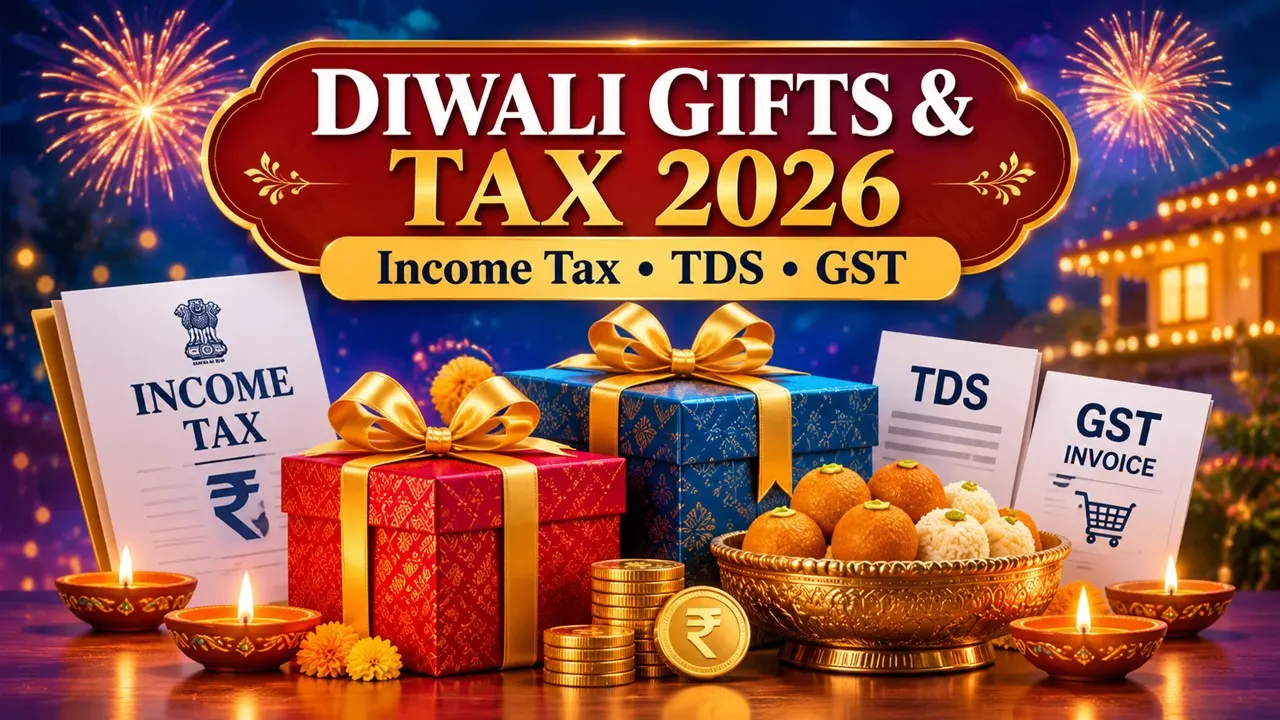
Understand the income tax exemption limits, TDS requirements and GST implications applicable to Diwali gifts given to employees, clients and business associates in 2026.
When Do Employee Gifts and Business Benefits Become Taxable?
 Saloni Kumari
 Nov 5, 2026
Gifts and vouchers received by an employee during the festive season are not liable to tax if their total worth for the entire year does not exceed Rs 15,000 under the Income Tax Rules 2026. Otherwise, they are fully taxable.
Gifts to dealers or clients attract TDS (Tax Deducted at Source) at 10% if their yearly value exceeds Rs 20,000 under Section 393 (previously Section 194). Under GST taxability, employee gifts yearly worth upto Rs 50,000 are not supply, and Input Tax Credit (ITC) on gifts is blocked under Section 17(5)(h).
The earlier limit was Rs 5,000; now this limit has been raised to Rs 15,000. However, if the total value crosses Rs 15,000, the entire amount becomes taxable as a perquisite. Cash gifts, gift cheques and Diwali bonuses are fully taxable as salary.

For example, if an employee receives a Diwali voucher worth Rs 10,000 and a birthday gift worth Rs 6,000 during the same year, the entire Rs 16,000 becomes taxable. Employers must include the taxable value in salary and deduct TDS under Section 392 of the Income-tax Act, 2025. The perquisite is also reported in Form 130.
Gifts given to clients, dealers, distributors and other business associates attract TDS under Section 393 of the Income-tax Act, 2025, which replaces the earlier Section 194R. TDS is applicable at 10% if the total value of benefits provided to a resident recipient during the financial year exceeds Rs 20,000. Once the threshold is crossed, TDS applies to the entire value rather than only the excess amount. The GST component is excluded while calculating the benefit's value, as clarified by CBDT Circular No. 18/2022. Tax must be deducted or paid before providing the benefit.

Under GST, gifts given by employers to employees are not treated as a supply if their total value does not exceed Rs 50,000 per employee in a financial year. If the limit is crossed, the gifts become taxable supplies. However, gifts given to clients and dealers generally do not attract output GST because they are provided without consideration and do not fall under the related-person provisions of Schedule I.
Businesses should also remember that Input Tax Credit (ITC) on goods given as gifts is blocked under Section 17(5)(h) of the CGST Act, 2017. This applies to gifts given to employees, clients and dealers, even when they are provided for business purposes.
Gift vouchers have a separate GST treatment. According to CBIC Circular No. 243/37/2024-GST, purchasing or issuing vouchers is not treated as a supply of goods or services. GST generally becomes applicable when the voucher is redeemed. However, vouchers still count towards the applicable income-tax and TDS limits.
Businesses can generally claim Diwali gifting expenses as business expenditure if they are incurred wholly for business purposes. They should maintain purchase invoices, recipient details, employee-wise gift records and TDS payment records to support their tax treatment. Therefore, companies should review their annual gifting budgets carefully to comply with income-tax, TDS and GST requirements and avoid unnecessary tax liabilities.
About Author


Saloni Kumari
Content Writer
 StudyCafe
 Delhi, Delhi, India
 3022
My Recent Articles
- ED Raids Ragam Theatre in Kerala’s Rs 300 Crore Bharat Lajna Co-operative Society Fraud Case
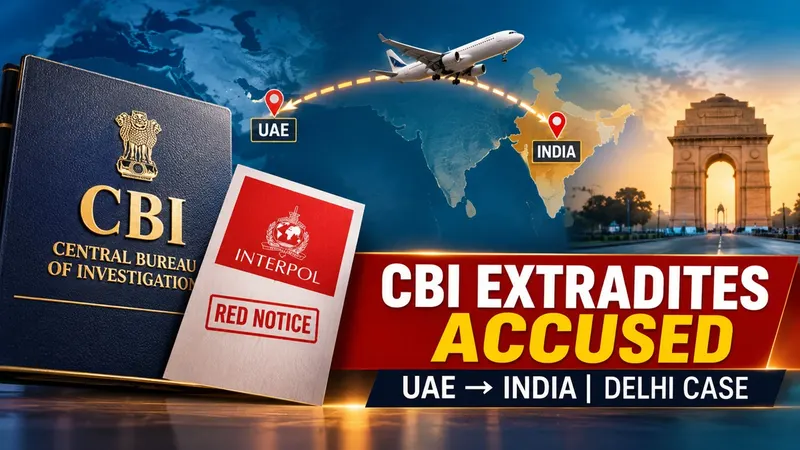
- CBI: Wanted in Delhi Sexual Assault Case, Accused Sajeer Palli Mooppam Extradited from UAE
- Max Healthcare Receives NCLT Order in Kalinga Hospital Dispute, Next Hearing Fixed for December 14
- E-Way Bill Numbers to Increase from 12 to 14 Digits, Consolidated E-Way Bills from 10 to 11 Digits
- CBI Arrests PNB Staffer, Private Person in Rs 10.24 Crore Greater Noida Bank Fraud Case
Loading suggestions…


Recent Posts


All Posts
Tags
Recent Posts
All Posts