ITAT Quashes Penalty for Non-Filing of ITR Due to Bona Fide Delay in Obtaining Probate:
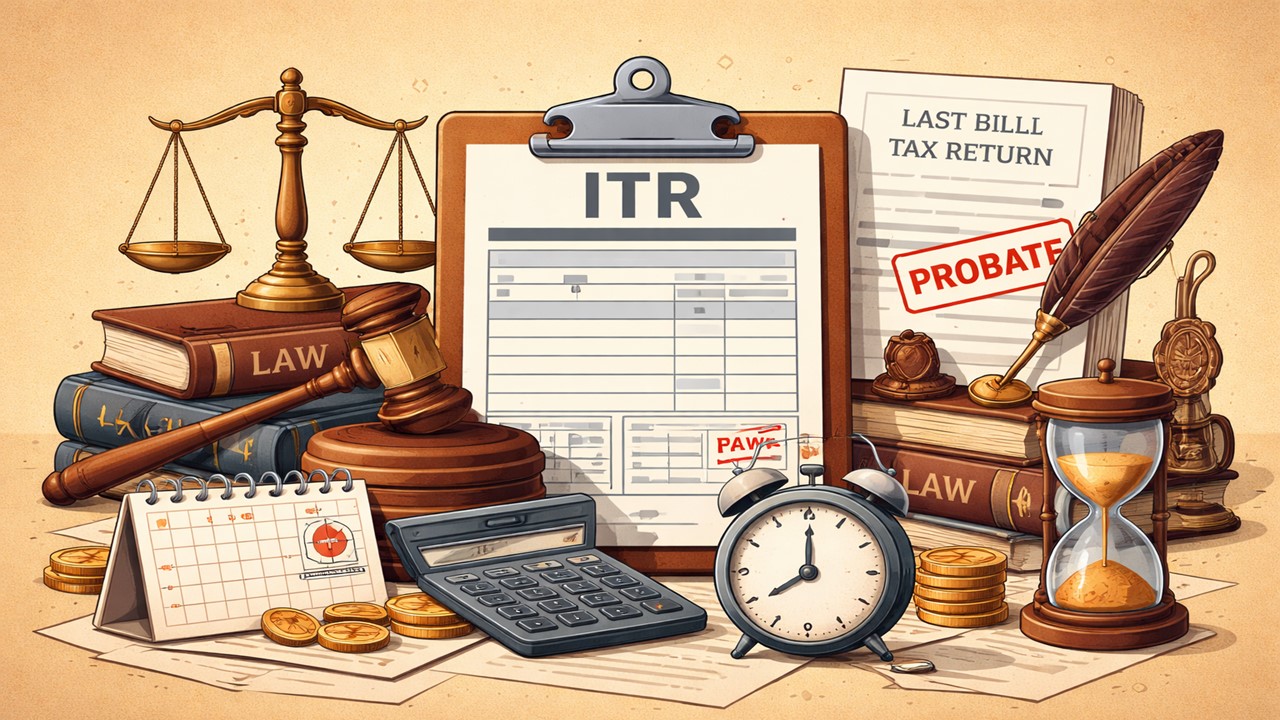
The tribunal referred to the FAQs issued by the Income Tax Department, which clarified that legal heirs or executors can file the ITR only after receiving approval from the high court.
ITAT Quashes Section 270A Penalty Citing Bonafide Delay
 Nidhi
Nidhi Apr 18, 2026
ITAT Quashes Penalty for Non-Filing of ITR Due to Bona Fide Delay in Obtaining Probate
The Income Tax Appellate Tribunal (ITAT) has quashed a penalty imposed on the estate of a deceased taxpayer due to the non-filing of ITR. The Tribunal said the penalty was not valid because the reasons for not filing the return were beyond the control and capacity of the executors.
After the death of Binoy Kumar Chandra, his estate was formed with the name 'Estate of Binoy Kumar Chandra' in 2019. The legal heirs got probate of executors from the Calcutta High Court in March 2022. As this probate took time, the Income Tax Return (ITR) could not be filed earlier. Therefore, an order and notice were issued to the assessee under section 148 of the Income Tax Act.
The assessee responded to the notice by filing an ITR. The assessment was completed, and the return was accepted. However, a penalty of Rs 12,77,227 was imposed under section 270A. The same was upheld by CIT(A).
Therefore, the assessee filed an appeal before the ITAT arguing that the legal heirs could not file the return without probate from the court.
The Tribunal agreed that the delay was bona fide, as it was impossible to file the ITR without obtaining probate from the High Court. It also referred to the FAQs issued by the Income Tax Department, which clarified that legal heirs or executors can file the ITR only after receiving approval from the high court. The Tribunal also cited COVID delays in court processes.
Accordingly, ITAT quashed the penalty levied under section 270A and the CIT(A)'s order.
About Author


Nidhi
Content Writer
Nidhi is a skilled content writer specializing in personal finance. She creates clear, engaging articles on mutual funds, investments, insurance, and wealth-building strategies. With a passion for simplifying complex financial topics, Nidhi helps readers make informed money decisions with confidence. She can be reached at [email protected]
Nidhi is a skilled content writer specializing in personal finance. She creates clear, engaging articles on mutual funds, investments, insurance, and wealth-building strategies. With a passion for simplifying complex financial topics, Nidhi helps readers make informed money decisions with confidence. She can be reached at [email protected]
 Studycafe
 New Delhi, Delhi, India
 1832
1832My Recent Articles
- Karnataka High Court Gives Another Chance in GST Matter Due to Lack of Hearing
- Delay Should Be Condoned if Explanation is Unrefuted: ITAT
- Non-Service of Income Tax Notice, Ill health of taxpayer, ITAT condones Appeal filing delay
- Books of Accounts Cannot be Rejected Without Any Specific Defect: ITAT Kolkata
- Karnataka High Court Sends ITC Matter Back to GST Authorities for Reconsideration
Up Next
Loading suggestions…


Recent Posts

All Posts

Tags
Recent Posts
All Posts