SC Converts Murder Conviction to Culpable Homicide: Death from Septicemia Shows No Intent to Kill:
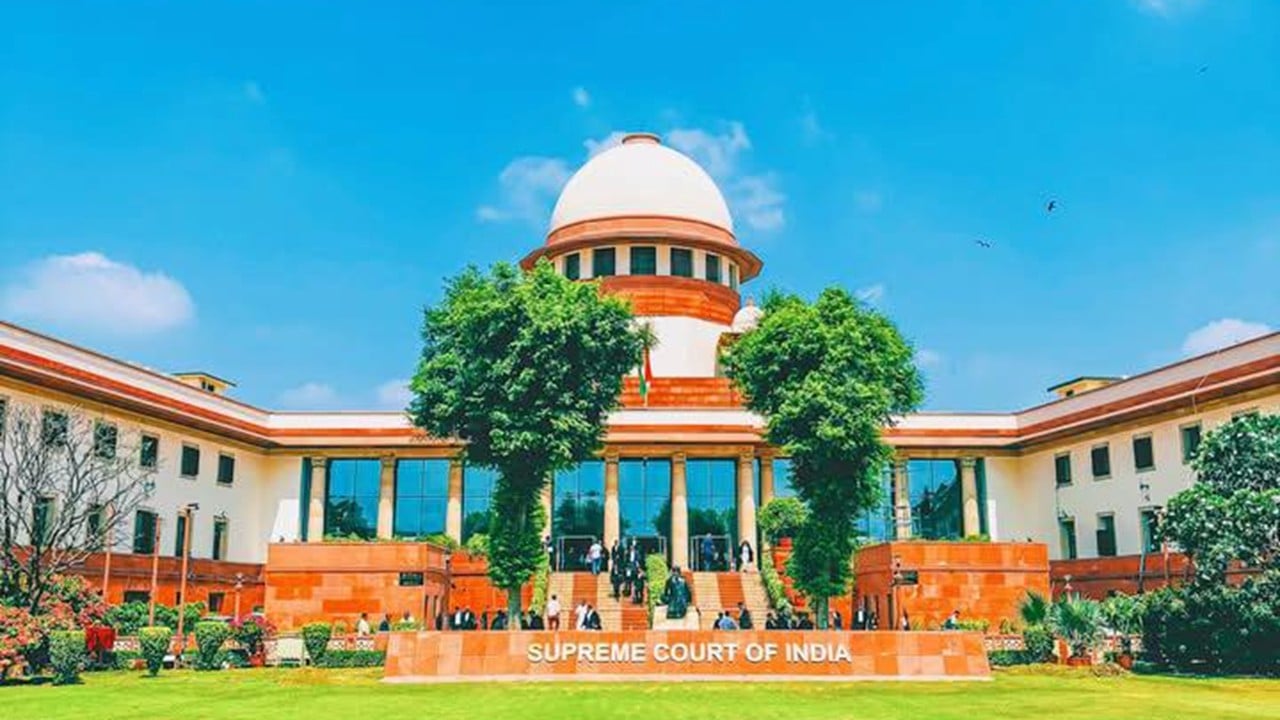
Absence of intent to kill and death caused by septicemia justified reducing conviction from murder under Section 302 to culpable homicide under Section 304 Part I of IPC
Supreme Court Converts Murder Conviction to Culpable Homicide in Knife Attack Case
 Meetu Kumari
 Nov 12, 2025
SC Converts Murder Conviction to Culpable Homicide: Death from Septicemia Shows No Intent to Kill
The appellant, Nandkumar alias Nandu Manilal Mudaliar, was convicted by the City Sessions Court, Ahmedabad, for murder under Section 302 and insult under Section 504 of the IPC, and sentenced to life imprisonment. The conviction arose from a 1998 incident in which the appellant, following a quarrel with his brother, went to the house of the deceased, Louis Williams, late at night and stabbed him with a knife. The victim suffered multiple injuries to his abdomen and hand and was hospitalized for nearly two weeks before succumbing to septicemia on June 26, 1998.
HC's Decision: The Gujarat High Court upheld the trial court’s findings, relying on the testimonies of two related witnesses and the medical evidence that established the injury as sufficient to cause death. Aggrieved, the appellant challenged his conviction before the Supreme Court.
Core Issue: Whether the appellant’s act amounted to “murder” under Section 302 IPC or should be reduced to “culpable homicide not amounting to murder” under Section 304 Part I IPC.
SC's Decision: The Supreme Court held that while the appellant inflicted serious knife injuries sufficient to cause death, the evidence showed no premeditation or intention to kill. The altercation was sudden and driven by anger and provocation. The deceased’s death occurred thirteen days later due to septicemia developed from the injuries, indicating that the act was committed with knowledge but without intention to cause death.
Therefore, the Court modified the conviction from murder under Section 302 IPC to culpable homicide not amounting to murder under Section 304 Part I IPC . Considering that the appellant had already undergone more than 14 years of imprisonment and was on bail since 2014, the Court held that the sentence already served was sufficient and discharged his bail bond.
To Read Full Judgment, Download PDF Given Below
About Author


Meetu Kumari
Content Manager
Meetu Kumari is an Experienced Advocate and Content Writer with 4+ years of demonstrated history of working in the law practice industry. Skilled in Developing Content, Researching, and Drafting. Strong professional with a Bachelor of Science (B.Sc.) focused on Law from Gujarat National Law University.
Meetu Kumari is an Experienced Advocate and Content Writer with 4+ years of demonstrated history of working in the law practice industry. Skilled in Developing Content, Researching, and Drafting. Strong professional with a Bachelor of Science (B.Sc.) focused on Law from Gujarat National Law University.
 Studycafe
 Jodhpur, Rajasthan, India
 2264
2264My Recent Articles
- ITAT Condones 302-Day Delay, Restores Salary Assessment for Fresh VerificationPremium
- ITAT Condones Delay After Tax Consultant's Death, Restores Appeals for Fresh HearingPremium
- ITAT Remands Salary Addition, Says Taxability Depends on Salary Becoming Due, Not Mere ReceiptPremium
- ITAT Deletes TP Royalty Adjustment, Orders Fresh Review of Commission BenchmarkingPremium
- ITAT Quashes Reassessment Over Unsigned Section 148 Notice Issued to AssesseePremium
Up Next
Loading suggestions…


Recent Posts

All Posts


Tags
Recent Posts
All Posts