Supreme Court Upholds High Court Order, Dismisses 90-Year-Old Temple Idol Dispute:
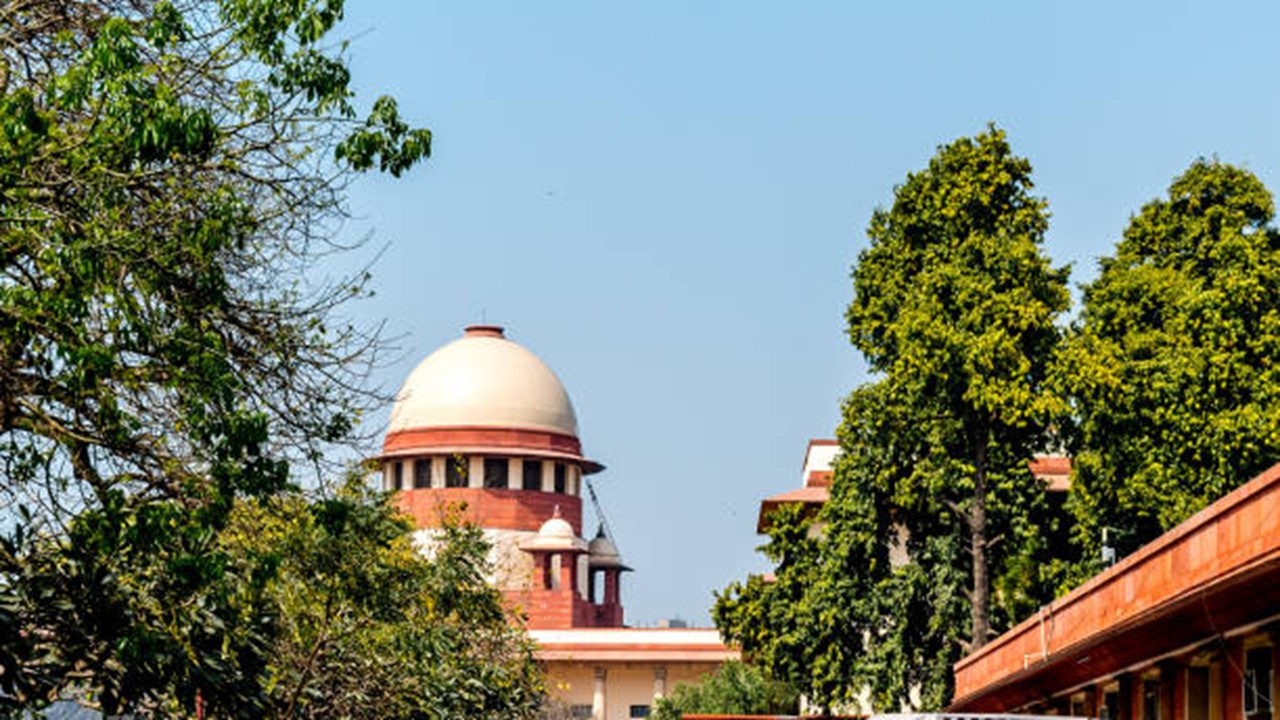
SC settles a century-old Kuruba sects feud in Andhra Pradesh, holding that the 1933 compromise decree over temple idols of Lord Sangalappa Swamy was never acted upon and thus not enforceable.
Supreme Court settles century-old Andhra Pradesh temple idol dispute
 Meetu Kumari
 Nov 13, 2025
Supreme Court Upholds High Court Order, Dismisses 90-Year-Old Temple Idol Dispute
The dispute between the Kapadam and Kamatam families, two sections of the Kuruba community in Anantapur District, Andhra Pradesh, dates back nearly a century. Both sects claimed rights over performing rituals and custody of sacred idols and paraphernalia of Lord Sangalappa Swamy, worshipped by both groups.
The first suit in 1927 by the Kamatam sect sought possession of the idols and worship items. Though dismissed, the District Judge allowed for a representative suit under Section 92 of the Code of Civil Procedure. Thus, O.S. No. 1/1931 was filed, which culminated in a compromise decree dated 01.11.1933. Under the compromise, pooja rights and custody of the idols were to alternate between the two sects every three months, with the idols to remain six months each in the respective villages. The respondents were to pay Rs. 2,000 towards half the pooja expenses, failing which they would forfeit their right.
Decades later, in 1999, the Kapadam family alleged violation of the decree and filed Execution Petition No. 59/ 2000. The Executing Court allowed the petition, directing the return of idols and worship articles to the appellants. However, the Andhra Pradesh High Court in 2012 reversed that order, holding there was no proof that the respondents violated the 1933 decree or even possessed the idols.
Issue Raised: Whether the compromise decree of 1933 regulating pooja rotation and custody of Lord Sangalappa Swamy’s idols was capable of execution, and if the respondents violated its terms.
SC's Decision: The Apex Court dismissed the appeals and upheld the High Court’s decision. The Supreme Court held that the appellants failed to prove that the respondents ever possessed the idols or violated the decree.
There was no evidence of payment of Rs. 2,000 or any rotation of idols after 1933. The 1933 compromise decree was never acted upon and lacked proof of continued implementation. Findings of the Executing Court were based on presumptions, not evidence.
The Court emphasised that the burden of proof lies on the decree-holder to show deliberate violation, which the appellants failed to discharge. It also noted that no trustees were ever appointed nor accounts maintained, as mandated by the compromise.
The Supreme Court ruled that the HC rightly set aside the execution order, as the compromise arrangement had long ceased.
To Read Full Judgment, Download PDF Given Below
About Author


Meetu Kumari
Content Manager
Meetu Kumari is an Experienced Advocate and Content Writer with 4+ years of demonstrated history of working in the law practice industry. Skilled in Developing Content, Researching, and Drafting. Strong professional with a Bachelor of Science (B.Sc.) focused on Law from Gujarat National Law University.
Meetu Kumari is an Experienced Advocate and Content Writer with 4+ years of demonstrated history of working in the law practice industry. Skilled in Developing Content, Researching, and Drafting. Strong professional with a Bachelor of Science (B.Sc.) focused on Law from Gujarat National Law University.
 Studycafe
 Jodhpur, Rajasthan, India
 2264
2264My Recent Articles
- ITAT Condones 302-Day Delay, Restores Salary Assessment for Fresh VerificationPremium
- ITAT Condones Delay After Tax Consultant's Death, Restores Appeals for Fresh HearingPremium
- ITAT Remands Salary Addition, Says Taxability Depends on Salary Becoming Due, Not Mere ReceiptPremium
- ITAT Deletes TP Royalty Adjustment, Orders Fresh Review of Commission BenchmarkingPremium
- ITAT Quashes Reassessment Over Unsigned Section 148 Notice Issued to AssesseePremium
Up Next
Loading suggestions…


Recent Posts



All Posts



Tags
Recent Posts
All Posts