Third Wave of COVID-19 and Its Impact on NBFC
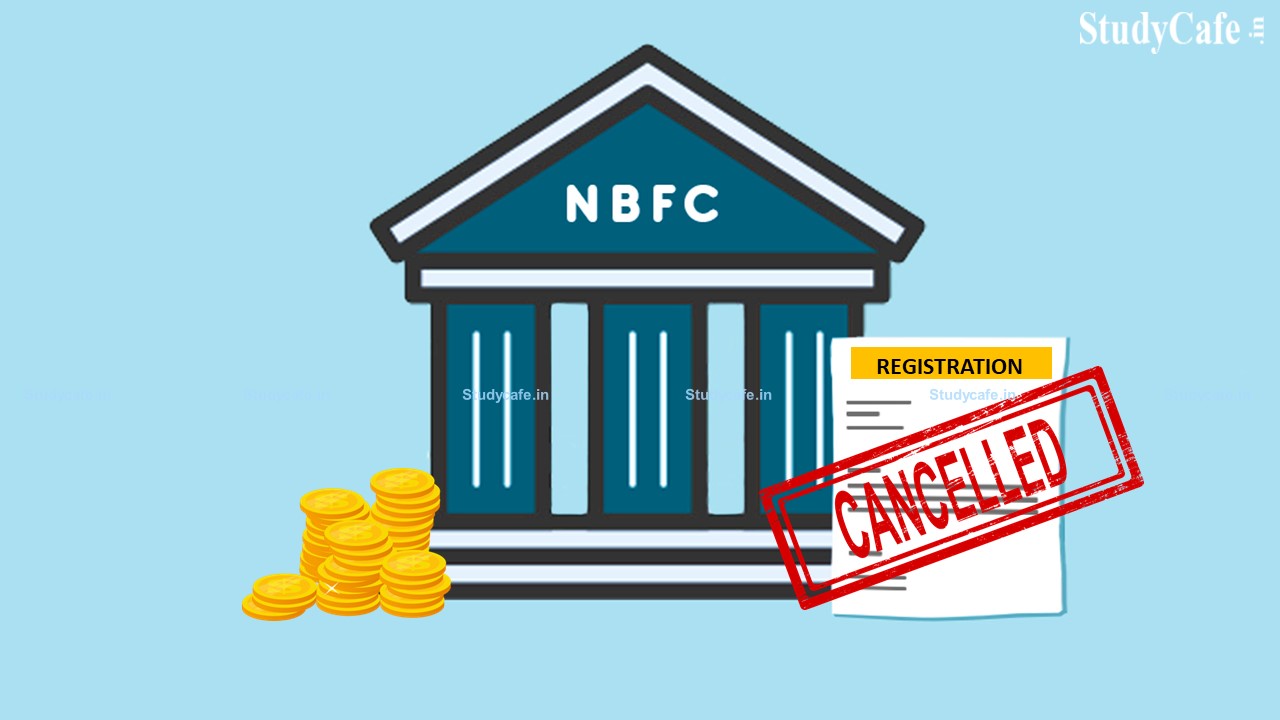
Third Wave of COVID-19 and Its Impact on NBFC A Non-Banking Financial Company, or NBFC, is a financial firm that provides financial services but does…
 SANDEEP KUMAR
 Jan 20, 2022
Third Wave of COVID-19 and Its Impact on NBFC
A Non-Banking Financial Company, or NBFC, is a financial firm that provides financial services but does not hold a full banking licence. It alludes to:
 NBFCs serve rural and semi-urban areas, as well as clientele who are not served by the more organised banking sector. Customers' requirements for NBFCs are flexible in order to satisfy their financial needs. NBFCs might specialise in a specific industry and gain a data advantage.
NBFC benefits include:
NBFCs serve rural and semi-urban areas, as well as clientele who are not served by the more organised banking sector. Customers' requirements for NBFCs are flexible in order to satisfy their financial needs. NBFCs might specialise in a specific industry and gain a data advantage.
NBFC benefits include:
It takes time and effort to start something from scratch. Purchasing an existing NBFC rather than registering a new one saves you valuable time that would otherwise be spent on the establishment of a new business. Even though both processes involve similar steps, buying an NBFC takes much less time than establishing a new one. Alternatively, you could rent an NBFC. Not only can the initial difficulties of starting a business be avoided, but there are a few additional benefits to purchasing an NBFC.
Pros of NBFC Takeover
1. a company that is a financial firm.
2. a non-banking entity that is a business that primarily deals in loans and advances, as well as accepting deposits in some form.
3. any other entity that has been registered with the RBI and has received the government's prior approval.
- Trading in money market instruments is possible.
- Can handle wealth management tasks such as stock and share portfolio management.
- Can underwrite stock and stock options, as well as other commitments.
- NBFCs are lenders of last resort; they step in when banks are unavailable.
- NBFCs are the most powerful engines for bringing financing into the country.
- Agility is critical for NBFCs since it distinguishes them from other financial institutions. In comparison to NBFCs, banks operate at a slower pace.
- NBFCs have solved significant hurdles that have previously stymied conventional lending by employing contemporary approaches.
- NBFCs have made extensive use of technological improvements such as mobile phones and the internet, allowing information to be accessed at any time and from any location.
- It has lowered demand for bank branches and the reliance on them.
- Not only is technology at the forefront of banking and financial services, but it has also fueled the growth of NBFCs in a more digitized India. NBFCs may now offer different options and reach a bigger audience more quickly thanks to digitalization. Indirectly, this leads to larger NBFCs.
- The combination of collaboration and database aids in boosting financial inclusion penetration. NBFCs have formed relationships with the government to use its information and determine consumer worthiness in order to successfully reach huge numbers of customers while minimizing risks. As a result, financing has proven beneficial.
- NBFCs are unable to accept demand deposits because they fall within the purview of commercial banks.
- Because an NBFC is not a part of the payment and settlement system, it cannot issue checks drawn on itself. Unlike banks, NBFC depositors do not have access to deposit insurance.
- Only a few NBFCs are able to receive deposits. Only those NBFCs with a valid Certificate of Registration that allows them to accept and hold public deposits are permitted to do so.
- NBFCs are governed by a strict regulatory framework.
| Basis | NBFC Registration | NBFC Takeover |
| Procedure | It is a five step procedure. RBI approval is a must in this case which makes it lengthier process even though it’s a five step process. · RBI requires such fresh NBFC’s to have a detailed plan for the next 5 year. · 1/3rd of the directors must be experienced in finance. | It is a 10 step procedure in India. Here the prior approval of RBI is required only under certain conditions with a prior public notice before such transfer of control. It is more of a smooth drive as the acquirer gets a pre registered company along with its market standing, and the Balance Sheet of the NBFC stands null. |
| Cost | 3.5 lakhs is the Govt. fee for registration which eventually sums anywhere from Rs.10-15 lakhs considering charges associated with expert opinion. | The cost will depend upon the IPO prices, where the acquirer needs to acquire 51% stakes in the target company to have control over the management. |
| Time | 3- 5 months time. | 2-3 months. |
- The acquirer enjoys pre existing RBI Registration of the target company.
- Reduction in the level of competition and thus, increases sales and revenues.
- Expansion in market share when two companies in the same domain unite.
About Author


SANDEEP KUMAR
Content Writer
 Studycafe
 RANCHI, Jharkhand, India
 91
91My Recent Articles
- "LIC IPO Not Good for Country”: Kerala Assembly Passes resolution against LIC IPO
- Ruchi Soya's Follow-on Public Issue of Rs.4,300 Crore to Open on March 24th
- IPO Update: Byju’s raises $800 million in Pre-IPO Fundraise
- IPO Update: SEBI tightens IPO Valuation Scrutiny for Startups eyeing Listings
- IPO Update: Mumbai based Suraj Estate Developers files papers to raise Rs 500 cr
Up Next
Loading suggestions…


Recent Posts



All Posts

Recent Posts
All Posts