Are your Bank Lockers fully safe?
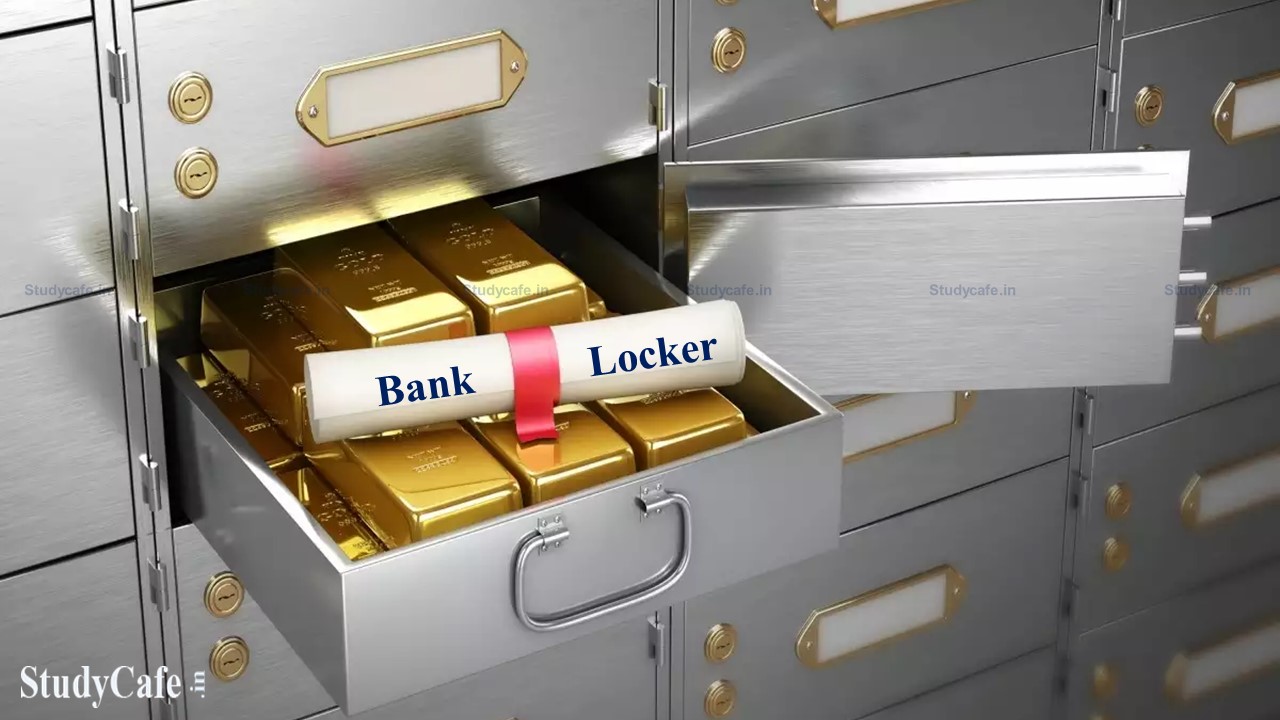
Are your Bank Lockers fully safe? Some assets, we believe, are the safest to keep in a bank locker. The majority of individuals believe that storing …
 Deepshikha Mahapatra
 Apr 11, 2022
Table of Contents

Are your Bank Lockers fully safe?
Some assets, we believe, are the safest to keep in a bank locker. The majority of individuals believe that storing assets in a bank locker is completely safe.
But, before you jump on the bandwagon, have you objectively analyzed how safe bank lockers are?
If not then here are some points that you should know while considering a bank safety deposit locker.
The bank is not liable for the loss of valuables in your locker
Yes, you are correct. If a tragedy occurs, such as a robbery or a fire, and you lose items housed in your locker, the bank is not obliged to pay you for the loss, assuming the bank took reasonable safety steps to preserve the lockers. There are several causes behind this.- To begin with, the bank does not inspect the contents of your locker. As a result, it is unable to determine the exact amount of loss. They are unable to pay you since they are unable to determine the exact amount of loss.
- Second, if banks have maintained proper security, they will not be accountable for any losses as long as they have carried out their responsibilities.
The Banks can open your locker without your permission
The standard procedure for using a bank locker is for you to be handed a key to your locker, while another key is kept at the bank. When you need to open your locker, you must use both the banker's key and your key at the same time to unlock the safety deposit lock. However, if you do not use your safety deposit box for an extended period or do not pay the rent, the bank has the authority to break into the box without your permission. From time to time, it may send you notices to unlock your locker, pay your rent, or operate your locker. It may be forced to do so if it fails to react to the notice. You may believe it is unjust that the bank has the authority to break into your locker, yet bombs and illegal drugs have been discovered in lockers, particularly those that are inoperable. As a result, the banks have the right to break it open and resell it. The criteria for using the locker are determined by the account holder's profile. Some accounts are rated as high risk, while others are labelled as low or medium risk. The bank may set conditions based on the risk type. A high-risk customer, for example, may be required to enter his safety locker at least once a year.You can claim for a loss in extreme eventuality but not 100% compensation
Banks typically purchase locker insurance to cover extraordinary situations that are beyond the bank's control. Therefore, while the bank is not obligated to compensate you in the event of a mishap, you may be able to recover some money if you can show confirmation of the assets you claim were in the locker. Store a list of anything you keep in the locker, whether it's documents, jewelry, cash, or anything else important. Even in that instance, you won't be able to get a full refund because the documents' worth can't be determined. As a result, you can claim a fictitious sum as compensation for the loss, but not 100% of the loss.What if there is a Loss due to Bank’s fault?
If the loss was caused by the bank's negligence, you are entitled to compensation. The bank is responsible for properly maintaining and safeguarding the lockers. So, if the loss is caused by any of the bank's flaws, you can claim the entire loss. There is a well-known case that supports the preceding assertion. There was a man who had kept some money notes in the lockers in that case. The cash notes were eaten away by termites as a result of the bad locker conditions! In this case, the consumer was fully paid for the loss, which was caused by the bank's negligence. Thus, if the bank has taken all reasonable precautions and the loss still occurs, the bank will not be liable for compensation, but you may be able to recover a nominal sum if you can show the value of the goods kept in the locker. However, if the loss is caused by the bank's negligence, you may be able to recover the entire amount. You will, however, be required to prove the number of goods held in the locker. Even if all of the above information is correct, you should not be discouraged from having a bank locker. If you follow the safety precautions outlined here, your locker will be secure:- After the bank employee who accompanied you to the vault has left the locker area, open your locker. Make sure you're alone.
- Ascertain if the bank employs top-tier security methods to protect the lockers, such as an alarm system, iron-gated rooms, electronic surveillance via CCTV, and so on.
- Visit your locker regularly to ensure that all of your possessions are safe.
- Before you leave the vault, double-check that the locker is securely locked.
- Reduce the danger by renting multiple lockers to separate your documents and valuables.
- Always choose a bank branch that you can trust and that is close to your home so that you may go there frequently.
- For longer shelf life, laminate the documents kept in the locker.
- Always keep track of all of your possessions in the locker, as well as their value.
- Keep a copy of the locker's hire-purchase agreement with the bank so that the bank cannot raise the rent in the future.
About Author


Deepshikha Mahapatra
Editor
 Studycafe
 Bhubaneswar, Orissa, India
 226
226Up Next
Loading suggestions…


Recent Posts


All Posts

Recent Posts
All Posts