Clarification Cannot Modify Final Order; ESIC Plea Rejected by HC:
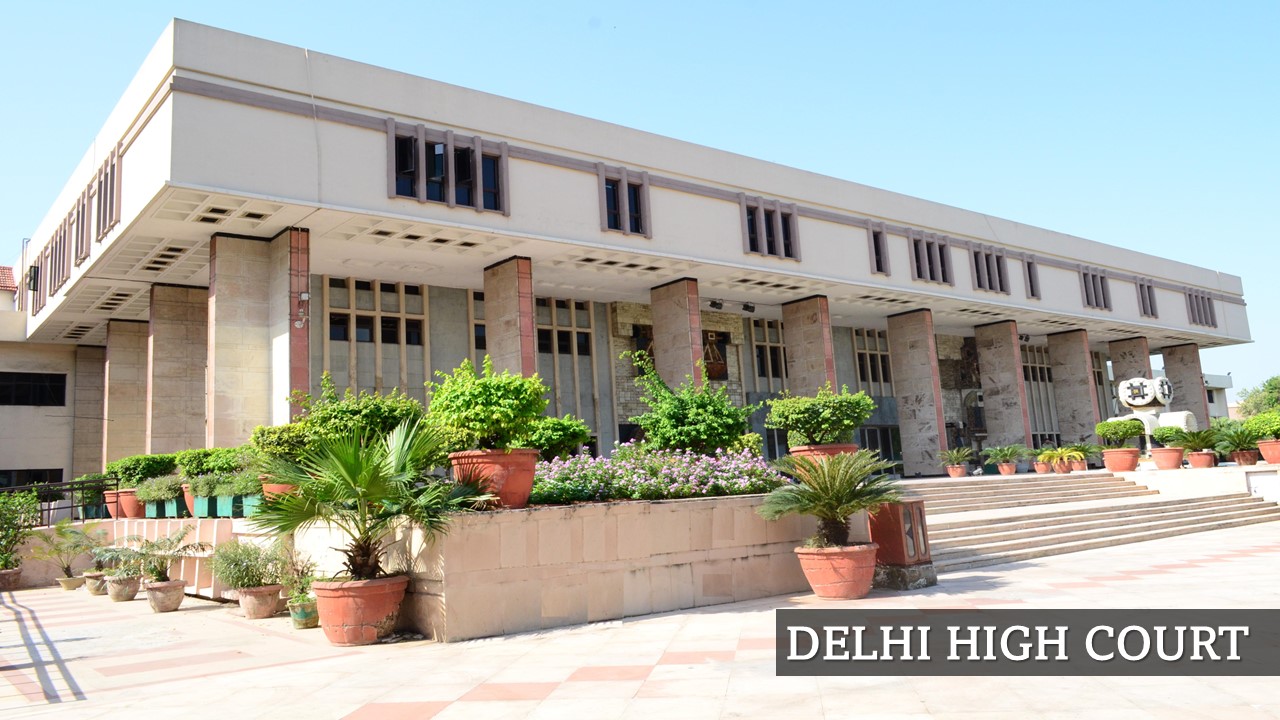
High Court refuses ESIC request to restrict arrears, upholding earlier reimbursement direction with interest.
Court says clarification cannot be used to modify final judgment
 Meetu Kumari
 May 1, 2026
Clarification Cannot Modify Final Order; ESIC Plea Rejected by HC
The legal battle between the ESIC and its Medical Officers Association centres on whether phone and internet reimbursements should apply to all medical staff or only those in administrative roles. The conflict began when a 2021 ESIC circular attempted to restrict these benefits, prompting a challenge that reached the Central Administrative Tribunal. The Tribunal ruled in favour of the doctors, a decision upheld by the High Court in August 2024.
The court ordered the ESIC to pay all outstanding arrears with 6% interest, dating back to March 26, 2018, in alignment with an original Ministry of Finance memorandum. However, the ESIC has recently filed a clarification application to move the arrears start date to September 25, 2020. The corporation argues that backdating payments to 2018 creates an "administrative nightmare" and claims they shouldn't be liable for the period before they officially adopted the policy. This dispute highlights the recurring tension between the issuance of central government policies and their actual implementation by individual organisations, leaving the start date of employee rights in legal limbo.
Central Issue: Whether ESIC can seek “clarification” to restrict arrears contrary to the effective date fixed in the earlier judgement?
HC's Ruling: The High Court dismissed the application, holding that the relief sought by ESIC was not a mere clarification but an attempt to modify the final judgment. The Court observed that its earlier judgment had conclusively directed reimbursement with interest from 26.03.2018. ESIC’s argument that it adopted the OM only in 2020 could not be used to dilute or postpone the benefit already granted to medical officers.
It further held that any administrative inconvenience or resulting disparity due to delayed implementation by ESIC cannot justify altering a judicial direction. If ESIC was aggrieved by the original order, the appropriate remedy was to challenge it through proper legal channels, not by seeking clarification. Thus, the Court refused to interfere and upheld its earlier direction in full.
To Read Full Judgment, Download PDF Given Below.
About Author


Meetu Kumari
Content Manager
Meetu Kumari is an Experienced Advocate and Content Writer with 4+ years of demonstrated history of working in the law practice industry. Skilled in Developing Content, Researching, and Drafting. Strong professional with a Bachelor of Science (B.Sc.) focused on Law from Gujarat National Law University.
Meetu Kumari is an Experienced Advocate and Content Writer with 4+ years of demonstrated history of working in the law practice industry. Skilled in Developing Content, Researching, and Drafting. Strong professional with a Bachelor of Science (B.Sc.) focused on Law from Gujarat National Law University.
 Studycafe
 Jodhpur, Rajasthan, India
 2264
2264My Recent Articles
- ITAT Condones 302-Day Delay, Restores Salary Assessment for Fresh VerificationPremium
- ITAT Condones Delay After Tax Consultant's Death, Restores Appeals for Fresh HearingPremium
- ITAT Remands Salary Addition, Says Taxability Depends on Salary Becoming Due, Not Mere ReceiptPremium
- ITAT Deletes TP Royalty Adjustment, Orders Fresh Review of Commission BenchmarkingPremium
- ITAT Quashes Reassessment Over Unsigned Section 148 Notice Issued to AssesseePremium
Up Next
Loading suggestions…


Recent Posts

All Posts

Recent Posts
All Posts