Disallowance Under Section 14A Must Be Based on Actual Expenses: HC:
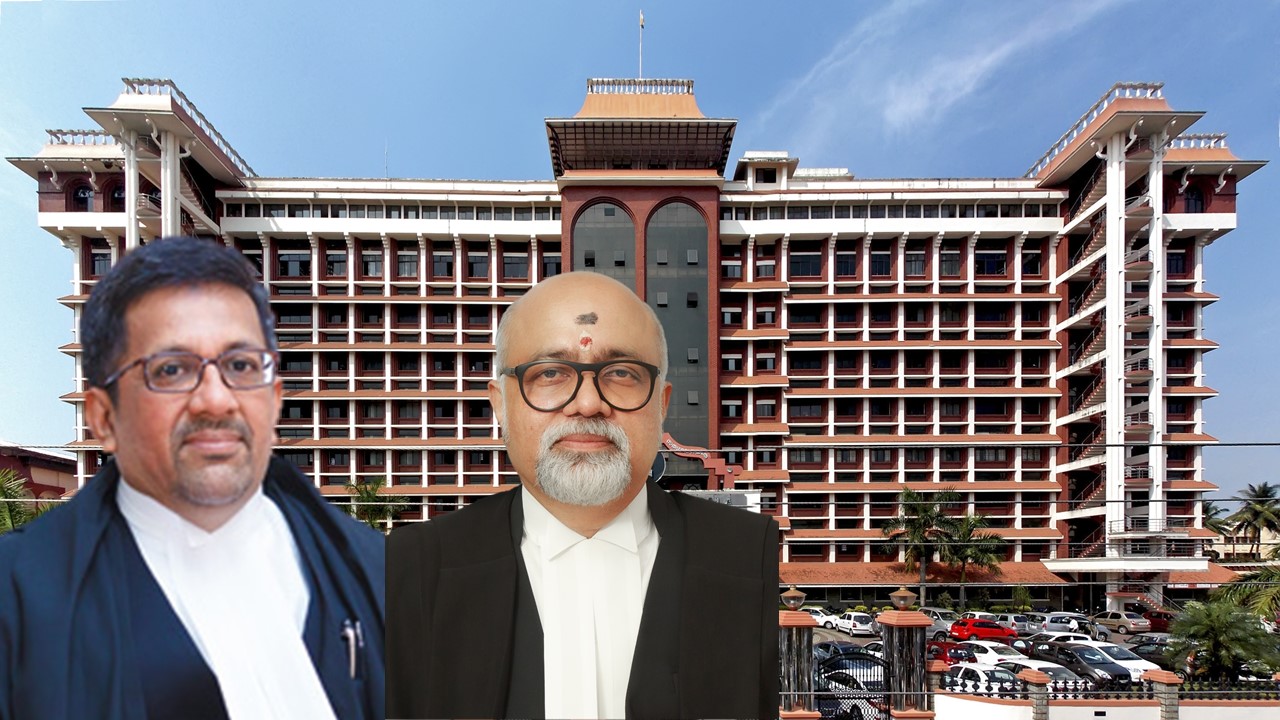
The authority was directed to check the books of account to calculate the actual amount to be disallowed.
HC Remands Disallowance u/s 14A Matter to AO for Lack of Quantification
 Nidhi
Nidhi Dec 1, 2025
Disallowance Under Section 14A Must Be Based on Actual Expenses: HC
The Kerala High Court has held that the Assessing Authority must calculate the actual expenses before applying Section 14A for the disallowance.
Aspinwall and Company Limited challenged an Income Tax Appellate Tribunal order involving the disallowance of expenses under Section 14A, which deals with the disallowance of expenses related to the income that is exempt from taxation. The assessing officer, after finding that the assessee company had made long-term investments in subsidiary companies, applied Rule 8D to disallow Rs 18,43,500 claimed as a deduction.
The assessee argued that Rule 8D of the Rules does not apply for the assessment year 2006-07, as the same was introduced by the Finance Act, 2008.
The assessee's first appeal was dismissed. In the second appeal, the ITAT agreed with the assessee but restricted the disallowance to 2% of the expenses incurred towards the exempted income. Therefore, the assessee approached the Kerala High Court.
The High Court, based on the decision passed in Essar Teleholdings Ltd (supra), noted that Rule 8D would be applicable for the assessment year 2008-09. However, even if there are no mechanisms for the calculation of expenditure to be allowed, the provisions of Section 14A were "fully workable". The Tribunal held that when Section 14A is applied, the AO must identify actual expenses that are required to be disallowed.
Regarding the disallowance of 2%, the Court believed that the same was unacceptable as it was made without any quantification, especially when the assessee had argued that there was no link between the exempt income and interest-bearing funds. Therefore, the Court sent the matter to the assessing office for fresh consideration. The authority was directed to check the books of account to calculate the actual amount to be disallowed.
About Author


Nidhi
Content Writer
Nidhi is a skilled content writer specializing in personal finance. She creates clear, engaging articles on mutual funds, investments, insurance, and wealth-building strategies. With a passion for simplifying complex financial topics, Nidhi helps readers make informed money decisions with confidence. She can be reached at [email protected]
Nidhi is a skilled content writer specializing in personal finance. She creates clear, engaging articles on mutual funds, investments, insurance, and wealth-building strategies. With a passion for simplifying complex financial topics, Nidhi helps readers make informed money decisions with confidence. She can be reached at [email protected]
 Studycafe
 New Delhi, Delhi, India
 1832
1832My Recent Articles
- Karnataka High Court Gives Another Chance in GST Matter Due to Lack of Hearing
- Delay Should Be Condoned if Explanation is Unrefuted: ITAT
- Non-Service of Income Tax Notice, Ill health of taxpayer, ITAT condones Appeal filing delay
- Books of Accounts Cannot be Rejected Without Any Specific Defect: ITAT Kolkata
- Karnataka High Court Sends ITC Matter Back to GST Authorities for Reconsideration
Up Next
Loading suggestions…


Recent Posts

All Posts

Recent Posts
All Posts