GST 2.0 Reforms: Relief for Textiles, Fertilizers And Education Sectors Ahead of 56th Council Meet:
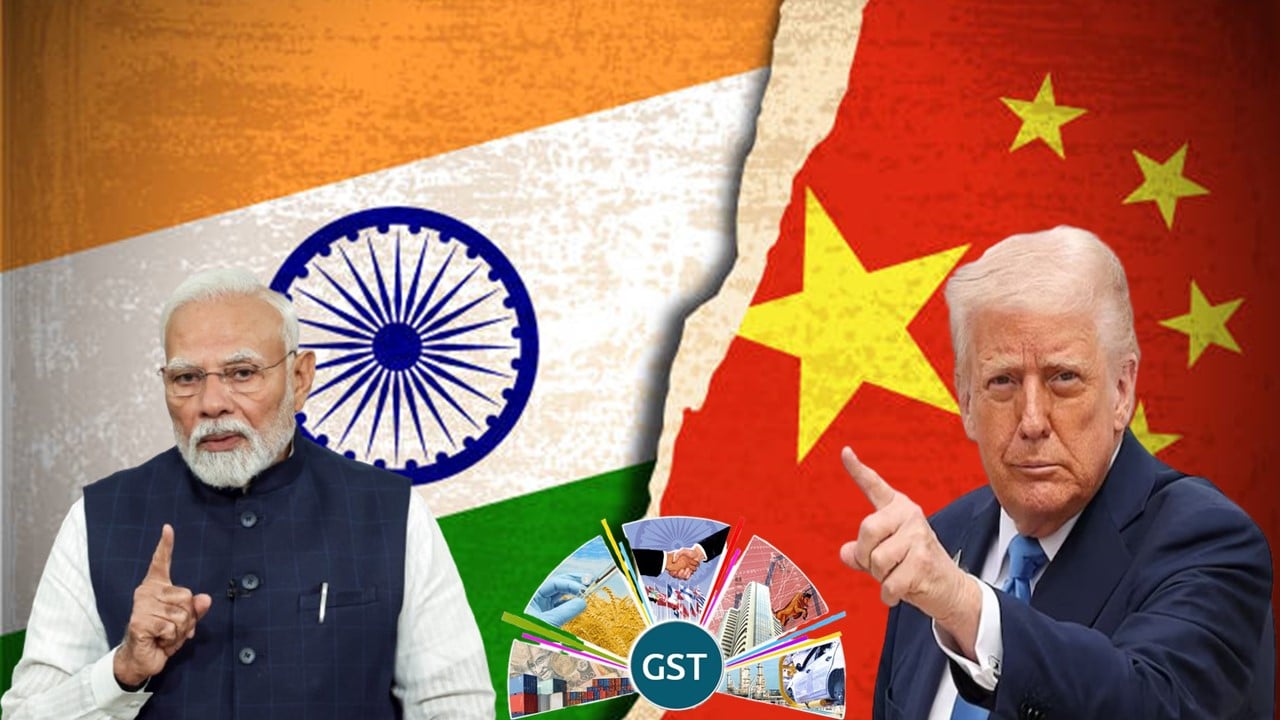
The GST 2.0 reforms target key sectors hit by global tariffs, proposing lower tax rates on textiles, fertilizers and food items to ease industry stress and reduce consumer costs.
GST Rate Cuts Proposed To Ease Industry Pressure And Boost Consumption
 Vanshika verma
 Aug 29, 2025
Table of Contents

GST 2.0 Reforms: Relief for Textiles, Fertilizers And Education Sectors Ahead of 56th Council Meet
The government is planning a new changes in the Goods and Services Tax (GST) structure with a Centre of attention on sectors that are under pressure after the United States imposed a 50% tariff on Indian exports.
The fitment committee in the textile sector has suggested a high deduction in GST rates across several categories. GST reductions can be seen on industry products such as man-made fibers, wool, apparel, cotton and others. These rates will be reduced to 5%.
Industry associations have long discussion that higher tax on inputs compared to finished garments makes a obstruction of working capital, making it harder for small weavers, power loom operators and garment makers to stay competitive.
GST 2.0 will help in simplifying cash flow pressures and make Indian textiles more engaging in global markets at a time when exports are already facing headwinds from the US tariff.
Fertilizer Rates:
The fertilizer industry is another major target area. Such changes will affect urea, ingle super phosphate (SSP), diammonium phosphate (DAP), muriate of potash (MOP) and complex fertilizers. These rates will reduce from 12% to 5%. This initiative will reduce production costs for fertilizer companies and will help in making farmers necessary farm inputs more affordable by lowering subsidiary burden. New changes will resolve problem of inverted duty where raw materials are taxed more heavily than the finished product, leading to refund delays and blocked funds for firms.Broader Rate Rationalisation:
The Group of Ministers on rate rational suggested that the proposals of various everyday food products may also bring no GST. This will include UHT milk, pre-packaged paneer (Chena), khakhra, pizza bread, chapati and roti. Paratha or parotta. These rates are being reduced to nil however it was 18% earlier.Education Items:
Education-related items are another area of focus. Products such as maps, atlases, globes, hydrographic charts, exercise books, laboratory notebooks, pencil sharpeners, graph books, pencils including crayons and pastels, tailor's chalk, wall charts and drawing charcoals are expected to move from the 12% to zero duty. By simplifying GST rates, the government expects to reduce household costs and wants to provide some relief to students and families and make the indirect tax system simpler and more fair. The GST Council is also expected to approve various consumer-friendly changes at its 56th meeting in New Delhi on 3-4 September.About Author


Vanshika verma
Content Writer
Vanshika Verma is a Content Writer with 1+ year of experience at Studycafe.in. A B.Com graduate from Delhi University, She writes articles on Finance, Tax, ICAI, GST, and the latest financial news, with a focus on making complex topics easy for readers and professionals.
Vanshika Verma is a Content Writer with 1+ year of experience at Studycafe.in. A B.Com graduate from Delhi University, She writes articles on Finance, Tax, ICAI, GST, and the latest financial news, with a focus on making complex topics easy for readers and professionals.
 Studycafe
 Delhi, Delhi, India
 2096
2096My Recent Articles
- Pinarayi Vijayan Moves Supreme Court Challenging Kerala High Court Order to Register FIR in CMRL Alleged Bribery Case
- CBI Lays Trap in Srinagar, Arrests SMC Ward Officer Red-Handed While Allegedly Accepting Rs 10,000 Bribe
- NIIT Limited Discloses Income Tax Department’s Appeal Before Delhi ITAT, Says No Adverse Financial Impact Expected
- Fake WhatsApp Boss Dupes Company Accountant of Rs 40 Lakh; Surat Police Arrest Haryana Man in Cyber Fraud Case
- Uttarakhand Tax Department Detects Rs 2.5 Crore Tax Evasion at Ramnagar Resort
Up Next
Loading suggestions…


Recent Posts


All Posts



Recent Posts
All Posts