HC Refuses to Quash Cheating Case; Disputed Facts Require Trial:
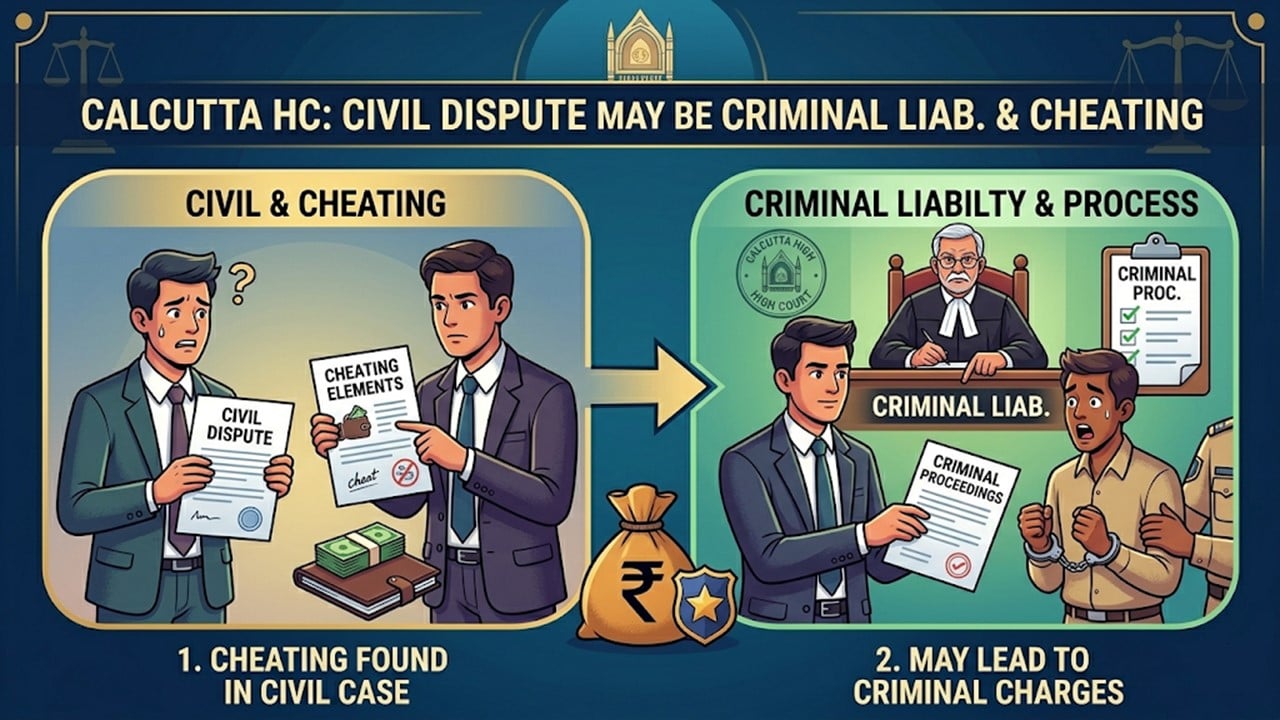
The Court finds prima facie cheating elements and holds a civil dispute can still attract criminal liability.
Quashing Denied as Factual Disputes and Intent Require Full Trial
 Meetu Kumari
 Apr 25, 2026
HC Refuses to Quash Cheating Case; Disputed Facts Require Trial
Sarada Jute Mills and its directors found themselves facing criminal charges, including cheating and criminal breach of trust, after a supplier, P.G. Electricals, accused them of a calculated fraud. The supplier claimed the mill owners had induced them to provide electrical goods worth over Rs. 11 lakh by projecting a healthy financial image, only to go silent on payments once the goods were delivered in 2015.
The petitioners approached the High Court to quash the case, arguing that this was nothing more than a simple civil dispute over a bill. They even questioned whether the goods were ever delivered, pointing out that signed challans or transport records were missing. However, the supplier fought back with bank statements and ledger entries showing that the two companies had a long-standing business relationship.
Issue Raised: Can a criminal case for cheating be dismissed at the early stages if the dispute stems from a business deal, even if the "dishonest intention" is still being debated?
HC Held: The Calcutta High Court dismissed the petition, refusing to step in and stop the trial. The Judges were particularly bothered by the mill owners' inconsistent story. Initially, the petitioners denied having any business dealings with the supplier at all. Once they were confronted with bank records showing a prior relationship, they shifted their defence.
The Court ruled that when a party denies that a transaction occurred after allegedly receiving the goods, especially after lying about their past relationship, it creates a strong suspicion of dishonest intent. While the petitioners argued this was a civil matter, the Court clarified that a single incident can have both civil and criminal consequences. Questions about whether the invoices were real or if the goods actually arrived are "matters of trial". Since there was enough evidence to suggest a potential crime, the Court held it would be improper to use its special powers to shut the case down before the facts could be fully examined in court.
To Read Full Judgment, Download PDF Given Below
About Author


Meetu Kumari
Content Manager
Meetu Kumari is an Experienced Advocate and Content Writer with 4+ years of demonstrated history of working in the law practice industry. Skilled in Developing Content, Researching, and Drafting. Strong professional with a Bachelor of Science (B.Sc.) focused on Law from Gujarat National Law University.
Meetu Kumari is an Experienced Advocate and Content Writer with 4+ years of demonstrated history of working in the law practice industry. Skilled in Developing Content, Researching, and Drafting. Strong professional with a Bachelor of Science (B.Sc.) focused on Law from Gujarat National Law University.
 Studycafe
 Jodhpur, Rajasthan, India
 2264
2264My Recent Articles
- ITAT Condones 302-Day Delay, Restores Salary Assessment for Fresh VerificationPremium
- ITAT Condones Delay After Tax Consultant's Death, Restores Appeals for Fresh HearingPremium
- ITAT Remands Salary Addition, Says Taxability Depends on Salary Becoming Due, Not Mere ReceiptPremium
- ITAT Deletes TP Royalty Adjustment, Orders Fresh Review of Commission BenchmarkingPremium
- ITAT Quashes Reassessment Over Unsigned Section 148 Notice Issued to AssesseePremium
Up Next
Loading suggestions…


Recent Posts


All Posts

Recent Posts
All Posts