High Court Avoids Prejudging Issues Already Pending Before ITAT:
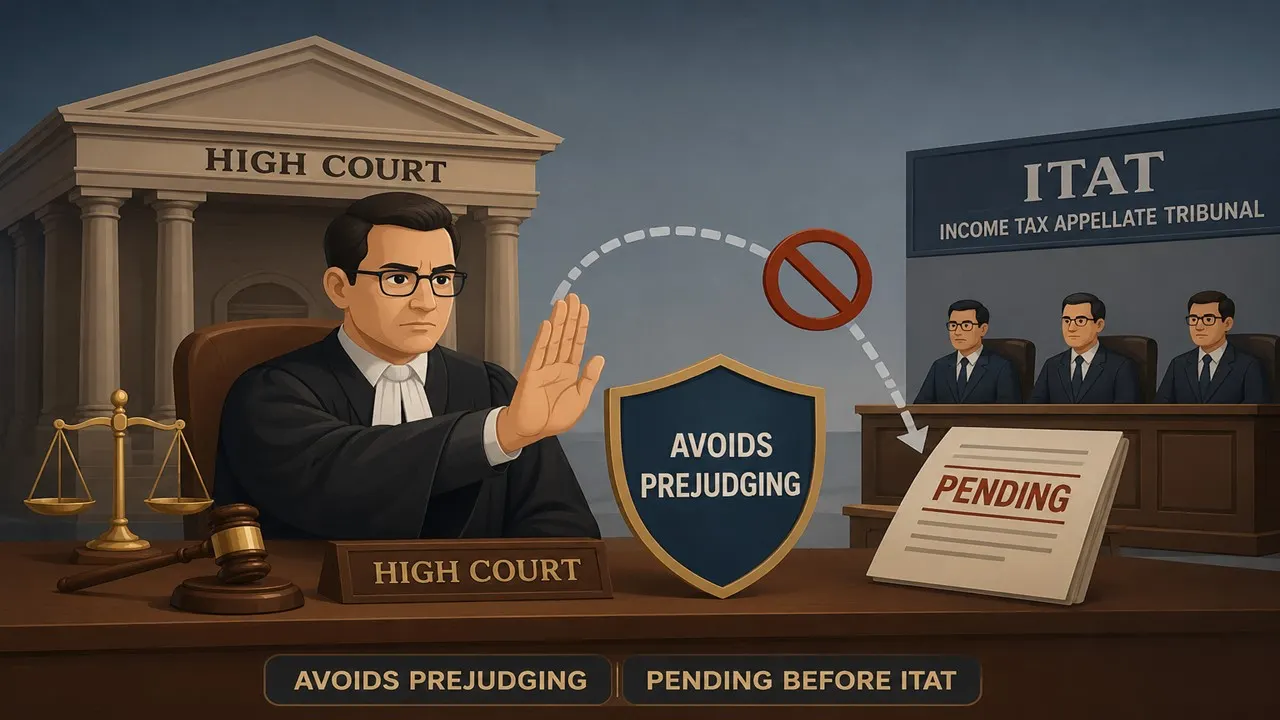
Court refuses writ relief, holding treaty taxability issues should be decided by ITAT.
Article 226 Jurisdiction Not Exercised Amid Pending Tax Appeals
 Meetu Kumari
 Jun 10, 2026
The Bombay High Court declined to issue a declaration that the income of Benteler Automotive (China) Investment Limited was not taxable in India under the India–China Double Taxation Avoidance Agreement (DTAA), holding that the issues raised in the writ petition were already pending consideration before the Income Tax Appellate Tribunal (ITAT). A Division Bench comprising Justice B. P. Colabawalla and Justice Amit S. Jamsandekar disposed of the writ petition while leaving all questions open for adjudication by the Tribunal.

The petitioner, a company incorporated in China and based in Shanghai, approached the High Court seeking an absolute declaration that its income was not liable to tax in India under the provisions of the India–China DTAA. The challenge arose from tax demands raised by the International Taxation authorities in Pune. However, appeals involving the same parties, facts, and legal issues for earlier assessment years were already pending before the ITAT.
Before the High Court, the petitioner sought intervention under Article 226 of the Constitution and requested a conclusive determination regarding its taxability in India. The Revenue opposed the plea, pointing out that the very issues were awaiting adjudication before the statutory appellate forum.
“Giving a declaration on the present dispute would directly impact and prejudge the issues pending before the ITAT.”

The High Court observed that the controversy involved specialised questions of international taxation, including interpretation of the India–China DTAA and related taxability issues. It noted that the Tribunal was already seized of identical disputes and was the appropriate forum to examine the factual and legal aspects in detail.
The Bench held that exercising writ jurisdiction to grant the declaration sought by the petitioner would effectively bypass the statutory appellate mechanism and interfere with pending proceedings before the Tribunal.
“All substantive arguments regarding the DTAA and taxability issues are required to be raised before the Tribunal for independent adjudication.”
Thus, the Court refused to render any finding on the merits of the petitioner’s claim under the India–China DTAA. It left both the assessee and the Revenue free to advance all contentions before the ITAT and directed that the Tribunal decide the pending appeals independently in accordance with law.
The Rule was discharged and the writ petition was disposed of without granting the relief sought by the petitioner. No order as to costs was passed.
To Read Full Judgment, Download PDF Given Below.
About Author


Meetu Kumari
Content Manager
 Studycafe
 Jodhpur, Rajasthan, India
 2264
2264My Recent Articles
- ITAT Condones 302-Day Delay, Restores Salary Assessment for Fresh VerificationPremium
- ITAT Condones Delay After Tax Consultant's Death, Restores Appeals for Fresh HearingPremium
- ITAT Remands Salary Addition, Says Taxability Depends on Salary Becoming Due, Not Mere ReceiptPremium
- ITAT Deletes TP Royalty Adjustment, Orders Fresh Review of Commission BenchmarkingPremium
- ITAT Quashes Reassessment Over Unsigned Section 148 Notice Issued to AssesseePremium
Loading suggestions…


Recent Posts


All Posts


Recent Posts
All Posts