How to Get Your Free Annual Credit Report in India:
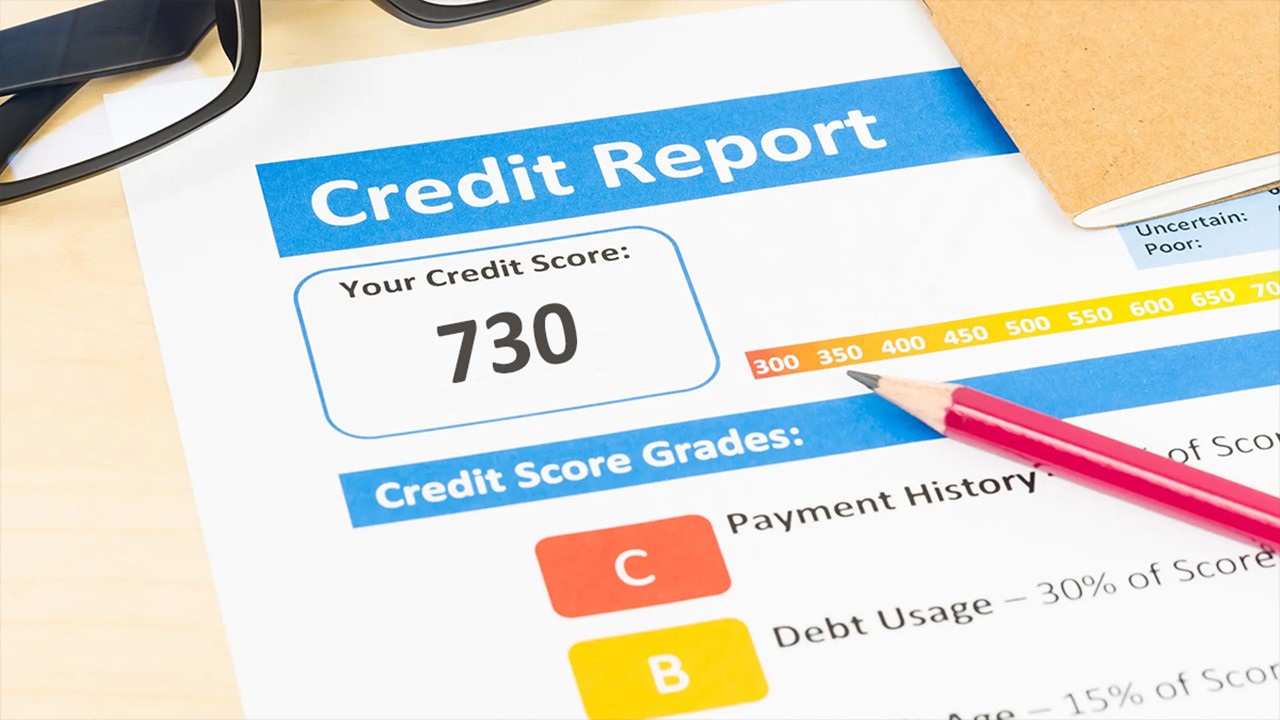
Learn how to get your free annual credit report in India, check for errors, and dispute mistakes before they affect your next loan application.
Free Credit Report in India
 Vanshika verma
 Sep 2, 2026
Table of Contents

Most people only check their credit report when a loan application gets rejected. By then, errors have often been present for months, leaving you with little time to fix them before your next application.
The Reserve Bank of India (RBI) guarantees you one free credit report from every credit bureau each year. This is your right, not a favor from lenders. This guide explains how to get your report and use it effectively.
What Exactly Are You Entitled To?
RBI requires every credit information company to give you one free full credit report, including your score, once during a year.

The free CIBIL score report is not a summary. RBI says it must match the fullest version the bureau gives to lenders. You see the same account list a lender sees.
Delivery is electronic and on request. You ask the bureau, prove who you are, and the report arrives in electronic form.
The entitlement for your free report resets every January. This means that regardless of when you made your last request, even if it was as late as December, you are eligible for a new free report from each bureau as soon as the new calendar year begins.

Which Companies Do You Ask For a Credit Report?
Four main credit bureaus in India that provide you with credit reports include:
TransUnion CIBIL
Equifax
Experian
CRIF High Mark
Each one holds its own file on you, and each owes you one free full report a year.
Four free reports a year is the practical result. Since banks don't report to every credit bureau, you might find a mistake on one report but not the others.
It’s a smart move to start with just one report first, and then you can use the others to cross-check things down the road. By requesting another report later, you can check your credit throughout the year at no extra cost.
How Do You Actually Get the Credit Report?
The process is identical for every credit bureau. You need to visit their official website, locate the 'free annual report' section, and fill out the request form to get your report delivered directly to your email address.
The form usually asks for these four things:
Your PAN or another accepted identity document.
Your date of birth and registered mobile number.
Simple answers to a few questions about your own loans or cards, used to confirm identity.
An email address, since the report is delivered electronically.
Please always use the official website for credit bureaus. If someone tries to charge you money for your credit report, remember that they are selling a document you are legally entitled to receive for free every single year. Using an official source is always a much safer and better way to check CIBIL score.
What Should You Look For Once You Have It?
The first thing you can do with your credit report is to read the accounts listed. Every loan and card in your name should be there, with the right amount and the right status, and anything you do not recognize needs attention immediately.
Next is to check the payment record for each month to see if you have made all the payments or missed any. Late payments show up as codes against each month, and a delay you had forgotten explains a lot about a lower score.
Since January 1, 2025, banks update your records twice every month instead of once. This means if you need to fix a mistake, you'll see the update show up on your report much sooner than before.
Make sure to check your personal information because mistakes like your name or address are actually pretty common. So it's a good idea to double-check everything carefully.
Finally, check the inquiry list. Looking at your own credit report is not the same as applying for a loan. Lenders cannot see when you check your own score. However, every time you formally apply for a loan, it gets recorded here. If a lender sees many loan applications in one month, they might be concerned.
What To Do If You Find an Error In The Report
If you spot a mistake on your credit report, don't worry, you can easily file a dispute with the bureau that issued it. Both the bureau and your bank have to look into it, and the RBI gives them a strict deadline to fix things.
You’re actually entitled to ₹100 for each day of the delay if they take longer than 30 days to fix it.
Make sure you save everything linked to your complaint, such as the dates, reference numbers, and any emails or chats you've had.
Make It a Habit Rather Than an Emergency
A credit report cannot fix anything by itself. Reading it will not raise your score, and a correct report showing genuine late payments will keep showing them until enough clean months pile up behind them.
What the free report buys you is time. Check your credit report months before applying for a loan, rather than waiting until the last minute. Fixing errors takes time, so you need to look early. Also, remember that a good report doesn't automatically guarantee you better loan terms; your actual payment history matters most.
About Author


Vanshika verma
Content Writer
 Studycafe
 Delhi, Delhi, India
 2019
2019My Recent Articles
- ITAT Condones Over Two-Year Delay, Gives Taxpayer Fresh Opportunity to Contest Rs 1.30 Crore Property Sale Addition
- Snowman Logistics Receives Rs 2.06 Crore Income Tax Demand for FY24, Plans to Challenge Penalty Order
- Bharat Bijlee Receives Rs 58.3 Lakh Income Tax Demand Over Excess Refund and Interest Re-Computation
- Punjab National Bank Receives SEBI Administrative Warning Over Alleged Insider Trading Violations Involving Six Individuals
- Uttarakhand Tax Dept Recovers Rs 2.25 Crore From Eden Senior Living Over GST Irregularities
Loading suggestions…


Recent Posts


All Posts



Tags
Recent Posts
All Posts