 Meetu Kumari
 Mar 10, 2026
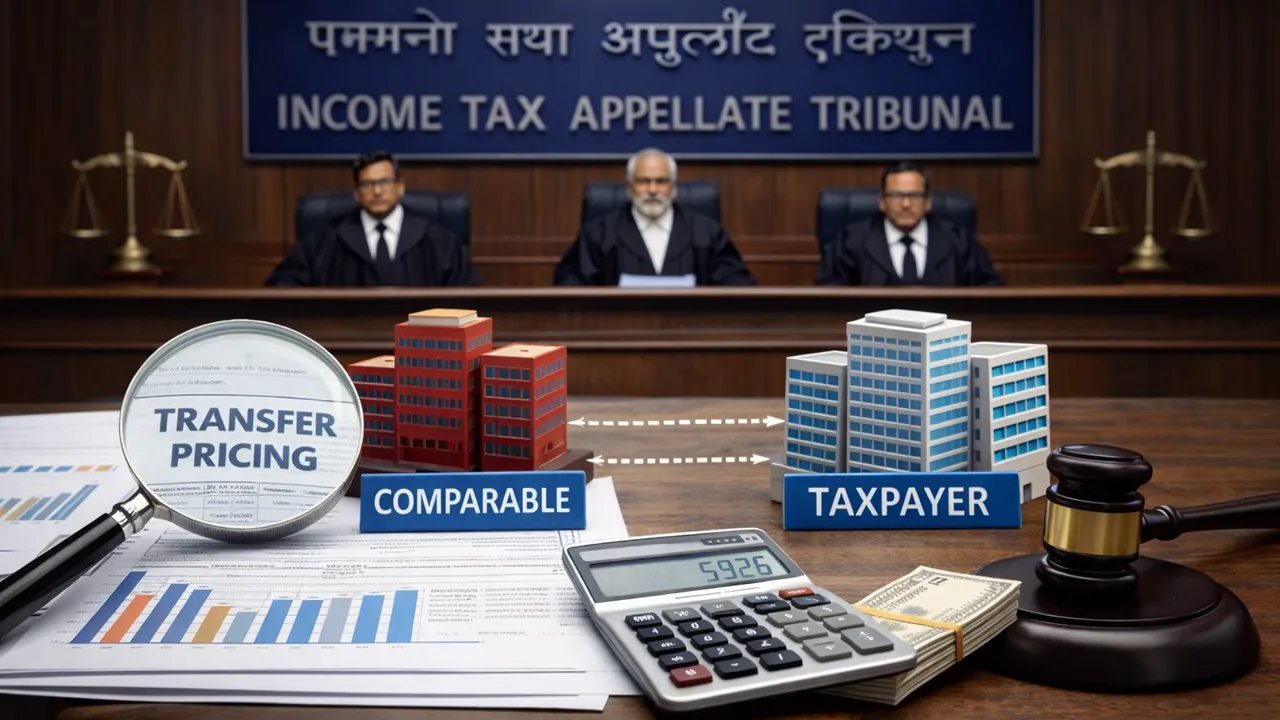
The assessee, Fujikawa Power, engaged in manufacturing batteries and related components, filed its return for AY 2017-18, declaring income of Rs. 27.41 crore. The case was selected for scrutiny and referred to the Transfer Pricing Officer due to specified domestic transactions. The TPO accepted most comparables but added six new ones and made a transfer pricing adjustment of Rs. 1.66 crore, also reducing the deduction claimed under section 80-IC. The Dispute Resolution Panel upheld the adjustment, after which the assessee appealed before the Income Tax Appellate Tribunal.
Before the Tribunal, the assessee contested the inclusion of Unik Techno Systems Pvt. Ltd. as a comparable, arguing that it manufactured battery-making machines rather than batteries. The assessee also raised an additional ground claiming that excise duty exemption received by it should be treated as a capital receipt and excluded from taxable income and from the computation of AMT under section 115JC.Issue Before Court: Whether Unik Techno Systems Pvt. Ltd. could be considered a valid comparable for benchmarking the assessee’s manufacturing transactions, and whether a fresh claim regarding excise duty exemption as a capital receipt could be raised before the Tribunal.

The Tribunal admitted the assessee’s claim that excise duty exemption should be treated as a capital receipt, relying on the Supreme Court’s decisions in NTPC Ltd. v. CIT and Goetze (India) Ltd. v. CIT. However, since the nature of the incentive scheme and the exemption required factual verification, the matter was remanded to the Assessing Officer to examine whether the excise duty exemption constituted a capital receipt and whether it should be excluded from taxable income and from the computation of AMT under section 115JC.