ITR Filing 2025: Comparison Between Old Tax And New Tax Regime:
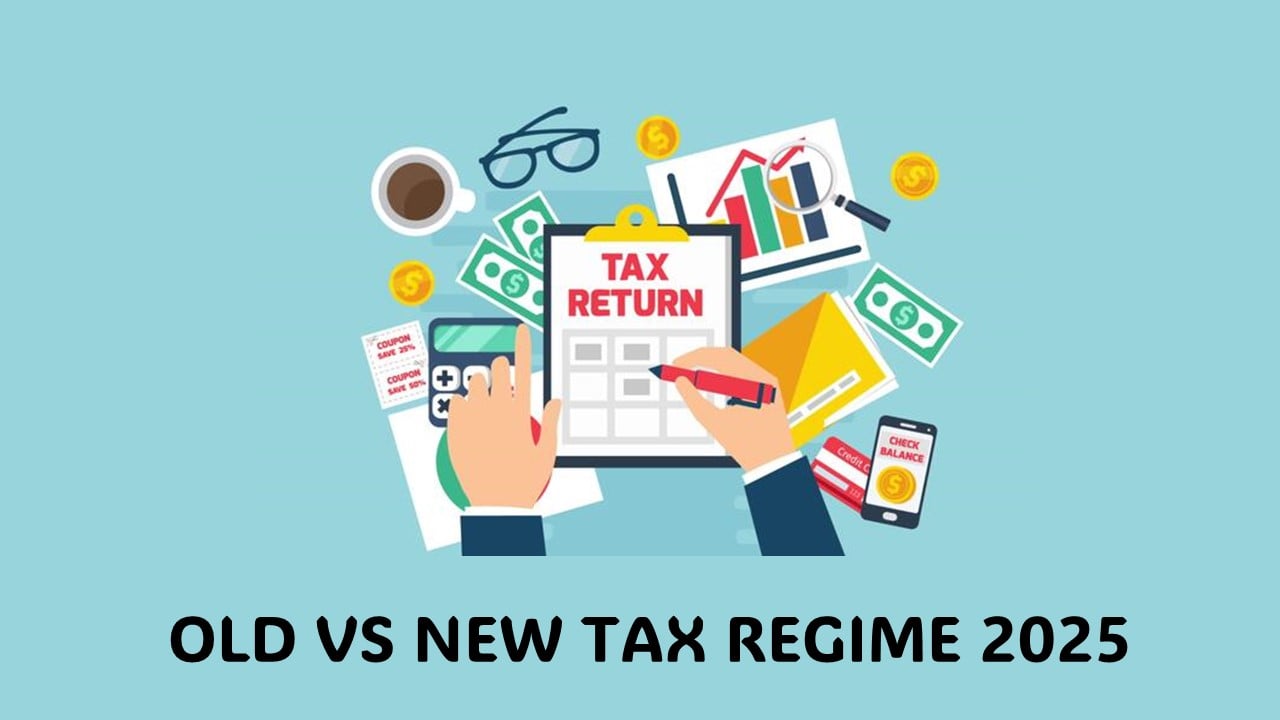
This article highlights difference between new tax regime and the old tax regime. It will help you decide which tax regime is best for you.
Comparison of Old Tax Regime vs New Tax Regime 2025
 Vanshika verma
 Jul 21, 2025
Table of Contents

ITR Filing 2025: Comparison Between Old Tax And New Tax Regime
The Union Budget 2025 has brought new changes to India's personal income tax structure. No matter if you are a salaried professional or a self-employed individual, making the correct decision between the old regime and the new regime shall help you optimise the overall tax liability.
This article explores the new tax regime and the old tax regime slabs; it highlights the difference between these two. it will also help you choose which tax regime is best for you.
Exemptions and Deductions status under New Tax Regime:
Income Tax Slab FY 2024-25 (AY 2025-26) for individuals
Old Tax Regime
- Age is Below 60 Years
- Upto Rs. 2,50,000 the rate of tax is Nil
- If Between 2,50,001 to 5,00,000 the rate of tax is 5%.
- If Between 5,00,001 to 10,00,000 the rate of tax is 20%.
- If Above 10,00,000 the rate of tax is 30%.
- Up to Rs. 3,00,000 the rate of tax is Nil
- If 3,00,001 to 500,000, the rate of tax is 5%.
- If between 5,00,001 to 10,00,000 the tax rate is 20%.
- If Above 10,00,000 the rate of tax is 30%
- Up to Rs 5,00,000, the rate of tax is Nil
- If between 5,00,001 to 10,00,000 the rate of tax is 20%.
- If above 1,000,000, the rate of tax is 30%.
- Up to Rs. 3,00,000 the rate of tax is Nil
- If between 3,00,001 to 7,00,000, the rate of tax is 5%.
- If between 7,00,001 and 10,00,000, the rate of tax is 10%.
- If between 10,00,001 to 12,00,000 the rate of tax is 15%.
- If between 12,00,001 to 15,00,000 the rate of tax is 20%.
- If above 1,500,000, the rate of tax is 30%
| Old Tax Regime | |
| Exemptions / Deductions | Status |
| Standard Deduction for Salaried and Pensioner | Allowed (50000) |
| Deduction for Professional Tax paid | Allowed |
| House Rent Allowance Exemption | Allowed |
| Leave Travel Concession | Allowed |
| Deduction of Interest on Self Occupied House Property up to 2 Lacs | Allowed |
| Deduction of Interest on Let Out Property up to 2 Lacs | Allowed |
| Deduction for Family Pension Up to Rs. 15000 | Allowed |
| Employer's Contribution to NPS 80CCD(2) | Allowed |
| Employee's (own) Contribution to NPS | Allowed |
| Deduction Under Section 80C to 80U (e.g., PF, LIC, MF, HL Principal, etc.) 80 TTA (Interest on Saving Accounts Upto Rs.10,000) 80 TTB (Interest for senior citizens upto Rs.50,000) | Allowed |
| Health and Education Cess | Charged |
| Rebate under Section 87A | 12500 |
| AMT | Applicable |
| Contributions to Agniveer Corpus Fund/Agnipath Scheme | Allowed |
| New Tax Regime | |
| Exemptions / Deductions | Status |
| Standard Deduction for Salaried and Pensioner | Allowed (75000) |
| Deduction for Professional Tax paid | Not Allowed |
| House Rent Allowance Exemption | Not Allowed |
| Leave Travel Concession | Not Allowed |
| Deduction of Interest on Self Occupied House Property up to 2 Lacs | Not Allowed |
| Deduction of Interest on Let Out Property | Allowed |
| Deduction for Family Pension Up to Rs. 15000 | Allowed |
| Employer's Contribution to NPS 80CCD(2) | Allowed |
| Employee's (own) Contribution to NPS | Not Allowed |
| Deduction Under Section 80C to 80U (e.g., PF, LIC, MF, HL Principal, etc.) 80 TTA (Interest on Saving Accounts Upto Rs.10,000) 80 TTB (Interest for senior citizens upto Rs.50,000) | Not Allowed |
| Health and Education Cess | Charged |
| Rebate under Section 87A | 25000 Sub. to MR |
| AMT | Not Applicable |
| Contributions to Agniveer Corpus Fund/Agnipath Scheme | Allowed |
About Author


Vanshika verma
Content Writer
Vanshika Verma is a Content Writer with 1+ year of experience at Studycafe.in. A B.Com graduate from Delhi University, She writes articles on Finance, Tax, ICAI, GST, and the latest financial news, with a focus on making complex topics easy for readers and professionals.
Vanshika Verma is a Content Writer with 1+ year of experience at Studycafe.in. A B.Com graduate from Delhi University, She writes articles on Finance, Tax, ICAI, GST, and the latest financial news, with a focus on making complex topics easy for readers and professionals.
 Studycafe
 Delhi, Delhi, India
 2094
2094My Recent Articles
- NIIT Limited Discloses Income Tax Department’s Appeal Before Delhi ITAT, Says No Adverse Financial Impact Expected
- Fake WhatsApp Boss Dupes Company Accountant of Rs 40 Lakh; Surat Police Arrest Haryana Man in Cyber Fraud Case
- Uttarakhand Tax Department Detects Rs 2.5 Crore Tax Evasion at Ramnagar Resort
- GST Team Raid at Iron Trader’s Shop in Hathras Sparks Major Uproar as Traders Gather and Allegations of Assault Emerge
- CBI Arrests SFIO Deputy Director and Two Others Over Alleged Rs 1 Crore Bribe Demand in DHFL Scam Investigation
Up Next
Loading suggestions…


Recent Posts
All Posts

Recent Posts
All Posts