Nationwide GST Scam Uncovered: Over 10,000 Bogus Firms Caught Cheating the System:
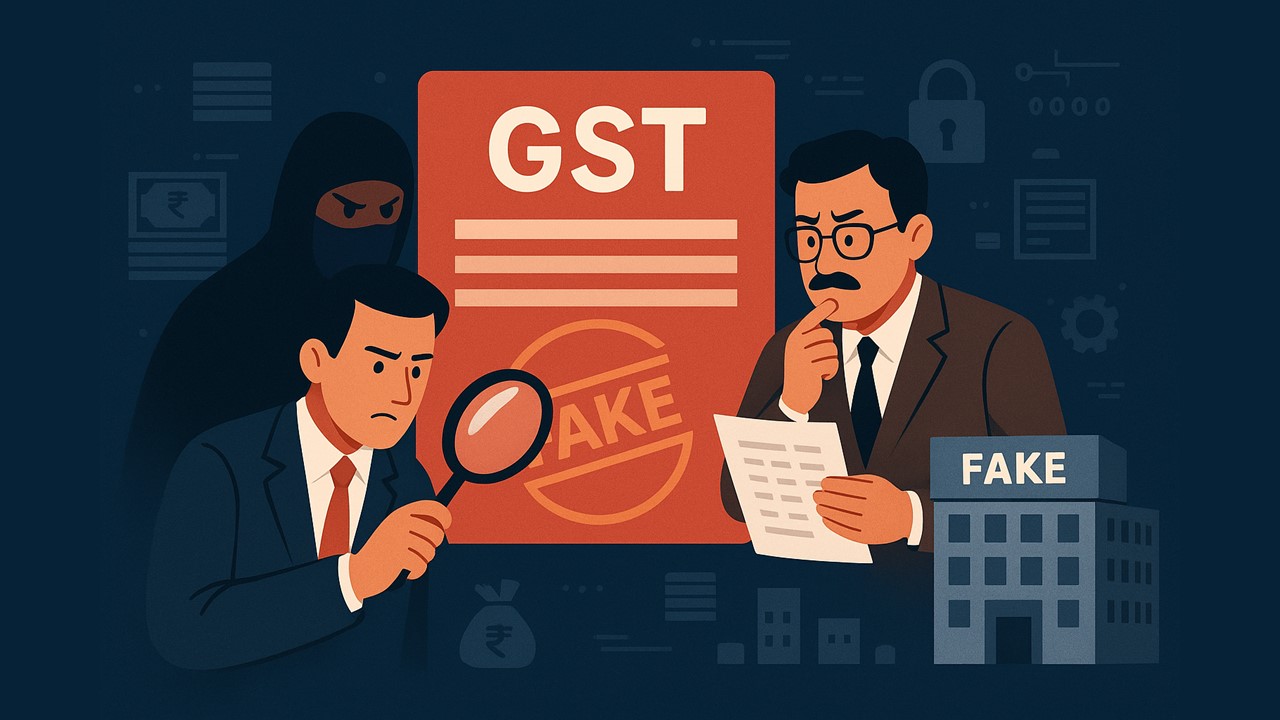
A massive GST fraud involving over 10,000 fake companies has exposed deep loopholes in India’s digital tax system, with bogus transactions worth thousands of crores under investigation.
Officials Uncover a Nationwide Network of Shell Firms Using Digital Fraud
 Vanshika verma
 Nov 5, 2025
Nationwide GST Scam Uncovered: Over 10,000 Bogus Firms Caught Cheating the System
A huge case of tax cheating has been discovered under India’s GST (Goods and Services Tax) system. It has exposed serious loopholes and a large network of fraud. Across the country, more than 10,000 fake companies have been created by organised groups to wrongly claim GST benefits worth hundreds of crores of rupees.
In one region, the Moradabad division, early investigations show that fake tax credits worth Rs. 342 crore were made. Officials also found fake business deals worth Rs. 1,811 crore spread across many states.
Officials have identified 122 shell companies allegedly created to issue bogus invoices and show non-existent trade activities.
These companies are said to have made up fake deals worth Rs. 1,811 crore, which caused the government to lose a lot of money.
However, during a recent enforcement drive, tax authorities raided two scrap-trading units in Moradabad, which were allegedly involved in fraudulent documentation to claim ineligible tax credits. Officials believe these cases represent just the surface of a much larger, nationwide tax evasion network.
The Role of Technology and Digital Identity Theft in Scams
The investigation found that fraudsters used fake documents, phone numbers, and bank accounts to create fake companies. In many cases, they also used innocent people's personal details without permission to register these fake GST accounts.
A senior state tax official stated, "The Moradabad operation has revealed a deeply entrenched interstate nexus. This is not a localised scam but a structured network exploiting the GST system through technology and digital manipulation."
Triveni Singh, renowned cybercrime expert and former IPS officer, explained the GST scam as a convergence of economic crime and cyber fraud.
Triveni Singh further added, "These cases are not merely instances of tax evasion – they represent the next phase of cyber-enabled financial fraud. Criminals are using digital tools, forged e-documents, and fake identities to exploit automated tax systems. Without strengthening data analytics and AI-driven tracking mechanisms, it will be extremely difficult to contain such crimes."
He said that India’s system for managing digital taxes needs to improve quickly. It should focus more on using real-time data, better coordination between government departments, and stronger systems for checking information. He added that having a smart, data-based system is very important to spot and stop large-scale fraud early.
For a coordinated investigation, Authorities have handed over the case to joint teams of the State GST (SGST) and Central GST (CGST) departments. The teams are currently identifying all individuals and entities who were involved in the fake network.
Earlier evidence suggests that this may turn out to be one of the largest GST scams in India's history, with potential losses to the exchequer running into thousands of crores of rupees.

About Author


Vanshika verma
Content Writer
Vanshika Verma is a Content Writer with 1+ year of experience at Studycafe.in. A B.Com graduate from Delhi University, She writes articles on Finance, Tax, ICAI, GST, and the latest financial news, with a focus on making complex topics easy for readers and professionals.
Vanshika Verma is a Content Writer with 1+ year of experience at Studycafe.in. A B.Com graduate from Delhi University, She writes articles on Finance, Tax, ICAI, GST, and the latest financial news, with a focus on making complex topics easy for readers and professionals.
 Studycafe
 Delhi, Delhi, India
 2096
2096My Recent Articles
- Pinarayi Vijayan Moves Supreme Court Challenging Kerala High Court Order to Register FIR in CMRL Alleged Bribery Case
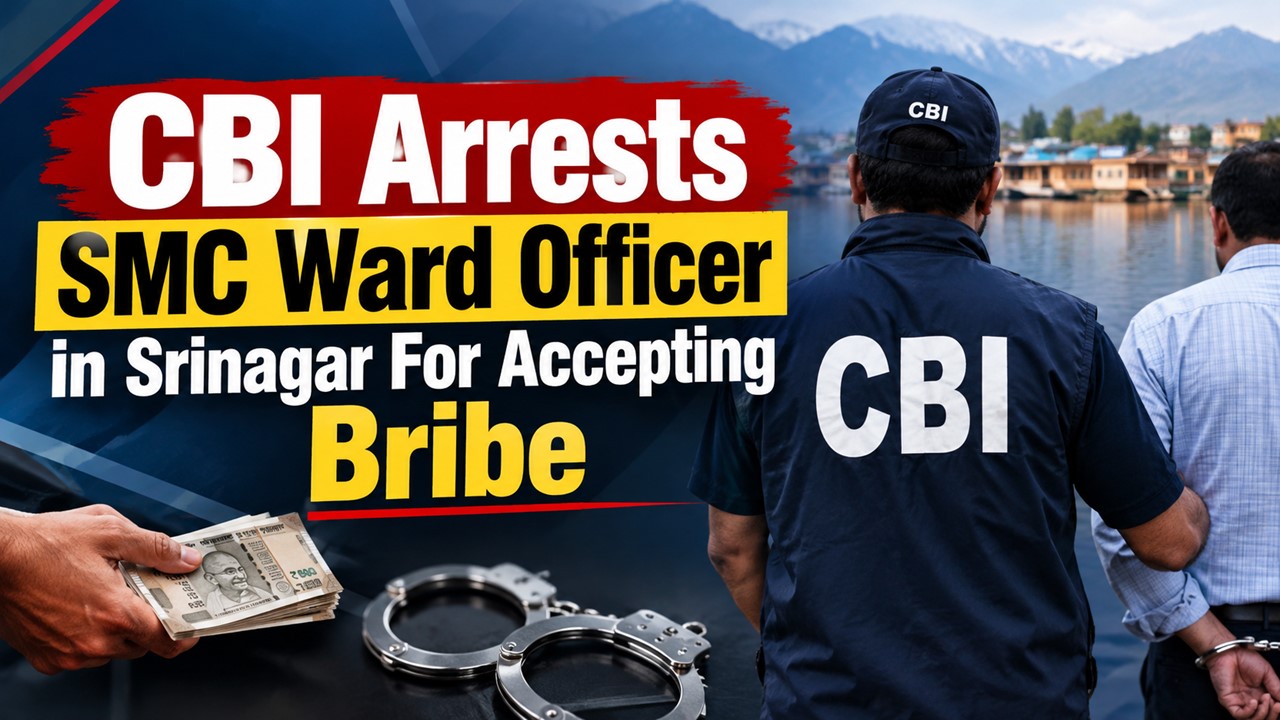
- CBI Lays Trap in Srinagar, Arrests SMC Ward Officer Red-Handed While Allegedly Accepting Rs 10,000 Bribe
- NIIT Limited Discloses Income Tax Department’s Appeal Before Delhi ITAT, Says No Adverse Financial Impact Expected
- Fake WhatsApp Boss Dupes Company Accountant of Rs 40 Lakh; Surat Police Arrest Haryana Man in Cyber Fraud Case
- Uttarakhand Tax Department Detects Rs 2.5 Crore Tax Evasion at Ramnagar Resort
Up Next
Loading suggestions…


Recent Posts


All Posts


Recent Posts
All Posts