What is the need of internal audit in any organization
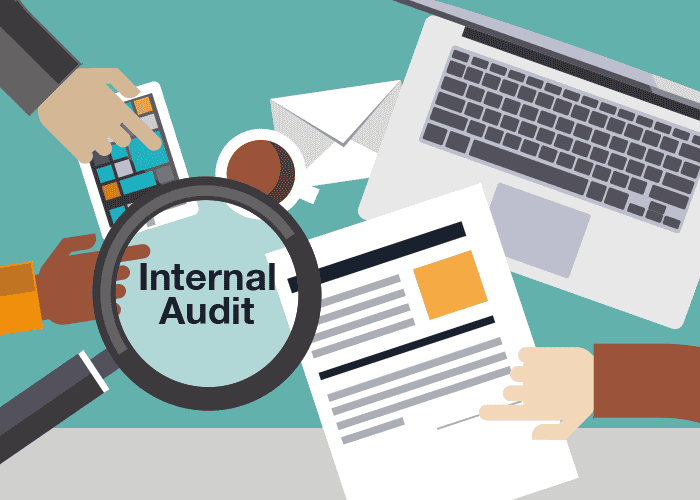
What is the need of internal audit in any organization What is internal audit The role of internal audit is to provide independent assurance
 yateshchadda
 Jul 5, 2019
What is the need of internal audit in any organization
What is internal audit
The role of internal audit is to provide independent assurance that an organizations risk management, governance and internal control processes are operating effectively.
Internal Audit teams duty is to provide an unbiased and objective view. They must be independent from the operations which organization evaluate and report to the highest level in an organization: senior managers and governors/ Audit committee. The nature of internal auditing, its role within the organization and the requirements for professional practice are contained within the International Professional Practices Framework (IPPF).
Internal auditors deal with issues that are fundamentally important to the survival and prosperity of any organization. Unlike external auditors, they look beyond financial risks and statements to consider wider issues such as the organization's reputation, growth, its impact on the environment and the way it treats its employees.
In sum, internal auditors help organizations to succeed. The assurance part of their work involves telling managers and governors how well the systems and processes designed to keep the organization on track are working. Then, they offer consulting help to improve those systems and processes where necessary.
Why is internal audit important to your organization
By reporting to executive management that important risks have been evaluated and highlighting where improvements are necessary, the internal auditor helps executive management and boards to demonstrate that they are managing the organization effectively on behalf of their stakeholders.
As internal audits role is 'to enhance and protect organizational value by providing risk-based and objective assurance, advice and insight'.
Hence, internal auditors, along with executive management, non-executive management and the external auditors are a critical part of the top level governance of any organization.
Activities of internal audit
Below are the key things an internal auditor does. Within these areas, it is important to think of the internal auditor as the organizations critical friend someone who can challenge current practice, champion best practice and be a catalyst for improvement, so that the organization as a whole achieves its strategic objectives
These are all provided through the internal audit professional body the Chartered Institute of Internal Auditors. As an affiliate member of the global Institute of Internal Auditors, the Chartered Institute of Internal Auditors promotes the International Professional Practices Framework (IPPF) in the UK and Ireland, so that internal auditors here around the world work towards a globally agreed set of core principles and standards.
Whilst the financial skills of accountants are very useful, to do their job effectively, internal auditors must possess a high level of technical internal auditing skills and knowledge. They must also be effective communicators, good project managers, analytically strong and good negotiators.
|
ACTIVITIES |
ROLE |
| Assessing the management of risk | For example, risks to the organizations reputation if it treats customers incorrectly, health and safety risks, risks of supplier failure, risks associated with market failure, cyber security and financial risks to name some key areas.The key to an organizations success is to manage those risks effectively - more effectively than competitors and as effectively as stakeholders demand. |
|
Assisting management in the improvement of internal controls
|
For example if a line manager is concerned about a particular area of responsibility, working with the internal auditor could help to identify improvements. Or perhaps a major new project is being undertaken the internal auditor can help to ensure that project risks are clearly identified and assessed with action taken to manage them. |
|
Evaluating risks |
It is managements job to identify the risks facing the organization and to understand how they will impact the delivery of objectives if they are not managed effectively. Managers need to understand how much risk the organization is willing to live with and implement controls and other safeguards to ensure these limits are not exceeded. Some organizations will have a higher appetite for risk arising from changing trends and business/ economic conditions. The techniques of internal auditing have therefore changed from a reactive and control based form to a more proactive and risk based approach. |
About Author


yateshchadda
Author
 6
6My Recent Articles
- Have you ever wonder how auditing firms get audited
- New Fraud of 3800 Crore After Budget 2019
- Whats your take (as an investor) on Deloitte and KPMG Fraud
- How do Students keep themselves motivated throughout the whole day
- How professional students should start educating about mental health awareness
Up Next
Loading suggestions…


Recent Posts

All Posts

Tags
No tags yet.
Recent Posts
All Posts
Tags
No tags yet.