Where to Get Low-Interest Personal Loans:
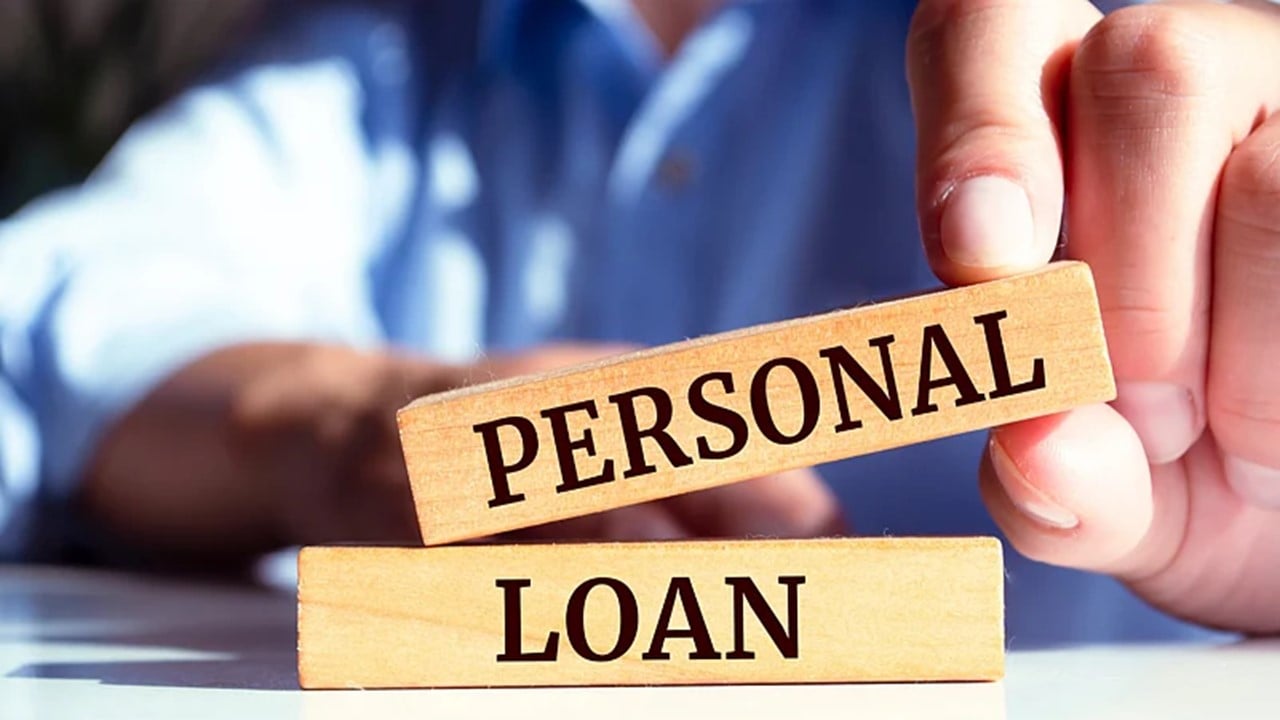
Discover where to get low interest personal loans, compare lenders, understand rates, and learn smart tips to secure affordable borrowing with ease.
Best Places to Get Low-Interest Personal Loans
 Nidhi
Nidhi Mar 13, 2026
Table of Contents

Where to Get Low-Interest Personal Loans
With their flexibility and minimal restrictions, personal loans have become one of the most popular financing options today. Whether it’s a wedding, clearing existing debt, a medical emergency, or any major expense, choosing the right lender is important. A lender offering a low-interest personal loan helps keep your monthly payments manageable and ensures you clearly understand all the loan terms.
This article explains where to find low-interest personal loans, how lenders set interest rates, and how you can increase your chances of getting the best deal.
Best Places to Get Low-Interest Personal Loans
Banks and Traditional Financial Institutions For many people seeking reliability and stability in their borrowing experience, banks are their first choice. Banks typically offer competitive interest rates to salaried employees, professionals, and loyal long-term customers. Advantages are:- Competitive interest rates for high-credit borrowers.
- Clear and transparent fees.
- A longer payment term.
- Eligibility is very strict.
- The application process is lengthy.
- Fast approval and reduced paperwork.
- A variety of loan amounts and terms.
- Rates offered based on individual borrowers' characteristics.
- Variable interest rates
- In some instances, shorter loan repayment periods
- Flexibility in loan application criteria.
- Low cost of borrowing.
- Repayment options tailored to individual needs.
- Higher processing charges compared with traditional banks
- Lower rates.
- Policies are focused on members.
- Repayment terms are flexible.
- Accessibility is limited.
- Membership is required.
- Lower interest rates.
- Quicker processing time.
- Simplified loan application process (minimal paperwork).
- Typically limited to a small number of specific employers or industries.
Factors That Influence Personal Loan Interest Rates
These variables can also increase your chances of being approved for low rate personal loans:- Your Credit Score: Generally, the higher your credit score, the lower your interest rate.
- History of Income: A consistent job typically makes lenders feel safer regarding their investment in your loan.
- Type of Employment: Lenders usually offer better terms on salary-based loans.
- The Amount Borrowed and Tenure: Borrowing less money over a shorter period of time may be cheaper.
- Debt-to-Income Ratio: The lower your current liabilities, the easier it is to get approval for a loan.
Tips to Secure a Lower Interest Rate
Proactively addressing the below-given issues can save you a lot of money on interest rates.- Keeping your credit rating at 750+.
- Always compare many of the lenders you will be dealing with before making an application
- Don't over-lend yourself. Choose a reasonable loan amount
- If possible, make sure you pay back the loan as quickly as you can by choosing a shorter payment term.
- Do not apply for multiple loans in a very short period of time
Common Mistakes to Avoid When Choosing a Personal Loan
Even low interest personal loans can become expensive if hidden costs are ignored. Here’s what you need to avoid:- Only focusing on the interest rate of a loan and forgetting about all the other fees associated with that loan.
- Overlooking prepayment or foreclosure charges.
- Borrowing more than required.
- Not reading loan terms carefully.
Conclusion
Low-cost personal loans are not just about choosing a bank or lender with the lowest advertised interest rate. They are about understanding your financial situation clearly so you can compare lenders and choose a loan you can comfortably repay. By carefully comparing options from banks, fintech companies, NBFCs, and other lenders, borrowers can find the best possible deal for their needs. A good personal loan should help you reach your financial objectives. It should not weigh you down financially for years to come.FAQs
- What is considered a low interest rate for a personal loan?
- Can self-employed individuals get low interest personal loans?
- Does checking loan eligibility affect credit score?
- How important is a credit score for loan approval?
- Are online lenders safe for personal loans?
- Can I negotiate the interest rate on my personal loan?
- Do shorter tenures reduce interest burden?
- Is prepayment allowed on personal loans?
- Can I get a personal loan with an average credit score?
- How long does it take to get a personal loan approved?
About Author


Nidhi
Content Writer
Nidhi is a skilled content writer specializing in personal finance. She creates clear, engaging articles on mutual funds, investments, insurance, and wealth-building strategies. With a passion for simplifying complex financial topics, Nidhi helps readers make informed money decisions with confidence. She can be reached at [email protected]
Nidhi is a skilled content writer specializing in personal finance. She creates clear, engaging articles on mutual funds, investments, insurance, and wealth-building strategies. With a passion for simplifying complex financial topics, Nidhi helps readers make informed money decisions with confidence. She can be reached at [email protected]
 Studycafe
 New Delhi, Delhi, India
 1832
1832My Recent Articles
- Karnataka High Court Gives Another Chance in GST Matter Due to Lack of Hearing
- Delay Should Be Condoned if Explanation is Unrefuted: ITAT
- Non-Service of Income Tax Notice, Ill health of taxpayer, ITAT condones Appeal filing delay
- Books of Accounts Cannot be Rejected Without Any Specific Defect: ITAT Kolkata
- Karnataka High Court Sends ITC Matter Back to GST Authorities for Reconsideration
Up Next
Loading suggestions…


Recent Posts


All Posts

Tags
Recent Posts
All Posts