Banks Must Follow Strict Data Protection Rules, Says Nirmala Sitharaman in Lok Sabha:
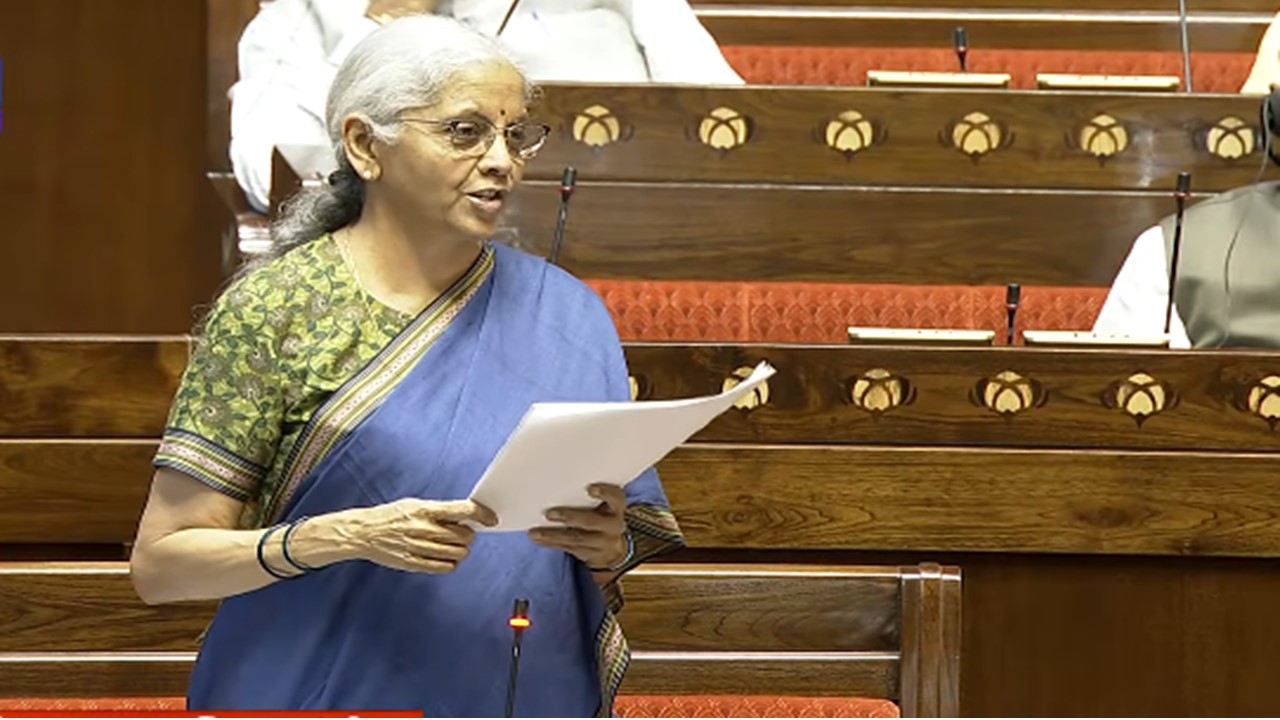
Nirmala Sitharaman told lok sabha that banks must strictly protect customer data under RBI guidelines and existing banking laws.
Nirmala Sitharaman Highlights KYC Data Privacy Norms
 Vanshika verma
 Mar 30, 2026
Banks Must Follow Strict Data Protection Rules, Says Nirmala Sitharaman in Lok Sabha
Finance Minister Nirmala Sitharaman recently told the Lok Sabha that banks in India must follow strict rules to protect customer data.
In the Lok Sabha, Manoj Kumar asked whether the government is planning to introduce a customer data access alert system, under which customers would receive notifications via SMS or email every time their personal data is accessed. He also enquired about alternative measures if such a system is not being considered.
Responding to the question, Finance Minister Nirmala Sitharaman said that data privacy under the Know Your Customer (KYC) framework is guided by master directions issued by the Reserve Bank of India. These directions also include clear instructions on maintaining customer confidentiality and on how information can be shared.
According to her, banks are legally required to keep customer information confidential. This responsibility comes from the contractual relationship between a bank and its customer. Banks must protect customer data and not misuse it.
Every bank and regulated entity must follow these rules. Sitharaman said that such institutions operate under five key laws:
- The State Bank of India Act
- The Banking Regulation Act
- The Regional Rural Banks Act
- The Credit Information Companies Act and
- The Public Financial Institutions Act.
There are several frameworks that banks must follow when it comes to customer data.
Data privacy under the KYC framework is governed by master directions issued by the RBI, along with instructions on customer confidentiality and the sharing of information. Banks are required to… pic.twitter.com/UvoD1HUzOk — Nirmala Sitharaman Office (@nsitharamanoffc) March 30, 2026

About Author


Vanshika verma
Content Writer
Vanshika Verma is a Content Writer with 1+ year of experience at Studycafe.in. A B.Com graduate from Delhi University, She writes articles on Finance, Tax, ICAI, GST, and the latest financial news, with a focus on making complex topics easy for readers and professionals.
Vanshika Verma is a Content Writer with 1+ year of experience at Studycafe.in. A B.Com graduate from Delhi University, She writes articles on Finance, Tax, ICAI, GST, and the latest financial news, with a focus on making complex topics easy for readers and professionals.
 Studycafe
 Delhi, Delhi, India
 2031
2031My Recent Articles
- ITAT Remands Rs 1.85 Crore Cash Deposit Dispute to CIT(A) for Fresh Adjudication After Assessee Claims Funds Were Converted From Euros Brought From Paris
- ITAT Grants Fresh Hearing to 61-Year-Old Cancer Patient, Sets Aside NFAC Order and Restores Income Tax Case to Assessing Officer
- IIFL Capital Services Receives MCX Penalty Order of Rs 2.05 Lakh Over Abnormal and Non-Genuine Client Trades
- Rakul Preet Singh Breaks Silence on Income Tax Searches, Denies Any Link to Probe and Calls Reports False And Speculative
- CBI Court Jails Ex-Bank Manager 7 Years in Rs 3.61 Crore Loan Fraud Case
Up Next
Loading suggestions…


Recent Posts
All Posts
Recent Posts
All Posts