Bombay High Court Affirms GSTAT’s Inherent Power to Grant Interim Relief in Pending GST Appeals:

The Bombay High Court held that the GSTAT has inherent powers to grant interim relief, including staying recovery proceedings, even though such power is not expressly provided under the CGST Act.
HC Upholds GSTAT’s Power to Grant Interim Protection in GST Appeals
 Saloni Kumari
 Mar 5, 2026
Bombay High Court Affirms GSTAT’s Inherent Power to Grant Interim Relief in Pending GST Appeals
In the case titled The Hongkong and Shanghai Banking Corporation Ltd. Vs. State of Maharashtra, the Bombay High Court has delivered its judgement on the dispute of whether the Goods and Services Tax Appellate Tribunal (GSTAT) has the power to grant interim relief, such as staying recovery proceedings during the pendency of an appeal.
The dispute started when a tax liability against the petitioner was confirmed vide an order-in-original dated December 18, 2023, under the Central Goods and Services Tax Act, 2017 (CGST Act). The aggrieved petitioner challenged the order before the Appellate Authority; however, its appeal was rejected through an Order-in-Appeal dated June 12, 2024. Thereafter, the petitioner approached the GSTAT on February 05, 2026.
Despite the appeal being pending before the GSTAT, the petitioner was receiving demand intimations through emails. To which the petitioner responded that it had already deposited the required amount and adjusted it through Form GST DRC-03A. However, the tax department did not consider the petitioner's response and issued a recovery notice. Also started further proceedings to recover the remaining amount. The petitioner thereafter filed a writ petition before the Bombay High Court, challenging the recovery notice and proceedings.
During the hearing, the petitioner argued that the petitioner should have approached the Tribunal for interim relief instead of filing a direct writ petition in the High Court. However, on this point, the petitioner argued that the CGST Act does not provide the Tribunal power to grant interim orders, leaving the High Court as the only effective remedy.
When the High Court examined some relevant provisions of the CGST Act, mainly including Sections 111, 112, and 113, it held that even if the statute does not expressly mention interim powers, such powers are inherent in the tribunal's appellate jurisdiction. Since the Tribunal has wide authority to pass orders “as it thinks fit", it also has the incidental power to grant interim protection, including a stay on recovery, to ensure that the appeal process remains meaningful. The court also referred to Income Tax Officer, Cannanore v. M.K. Mohammed Kunhi, where the Supreme Court of India recognised similar inherent powers of appellate tribunals.
The Court concluded that the petitioner must seek interim relief from the GST Appellate Tribunal. However, it granted temporary protection by directing that the recovery notice should not be enforced until the petitioner files an interim application before the tribunal within two weeks.
About Author


Saloni Kumari
Content Writer
Saloni is a Content Writer with 2+ years of experience at studycafe.in. She writes legal, taxation, and finance related content including GST, Income Tax etc. Skilled in translating complex judicial pronouncements and regulatory developments into clear, and reader-friendly articles. Experienced in covering judgements of ITAT, High Court, GSTAT, and news related to Income Tax, GST, and corporate law. She can be reached at [email protected].
Saloni is a Content Writer with 2+ years of experience at studycafe.in. She writes legal, taxation, and finance related content including GST, Income Tax etc. Skilled in translating complex judicial pronouncements and regulatory developments into clear, and reader-friendly articles. Experienced in covering judgements of ITAT, High Court, GSTAT, and news related to Income Tax, GST, and corporate law. She can be reached at [email protected].
 StudyCafe
 Delhi, Delhi, India
 2948
2948My Recent Articles
- Maharashtra Govt Eases Registration of Jointly Owned Land Sales, ‘KA’ Copy Can Replace Co-Owners’ NOC
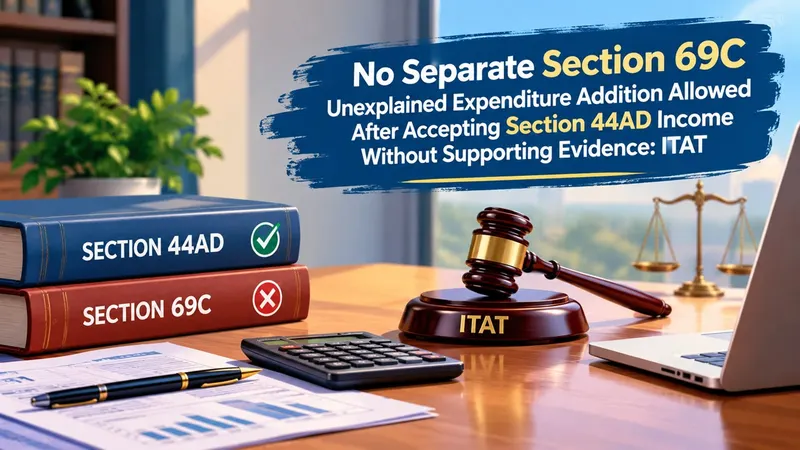
- No Separate Section 69C Unexplained Expenditure Addition Allowed After Accepting Section 44AD Income Without Supporting Evidence: ITAT
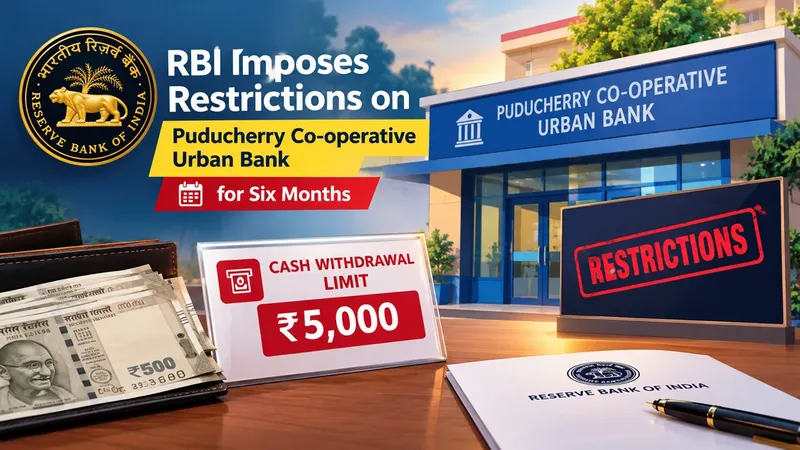
- RBI Imposes Restrictions on Puducherry Co-operative Urban Bank for Six Months, Caps Cash Withdrawals at Rs 5,000
- ICAI Opens Application Window for Empanelment of Members to Act as Observer at CA January 2027 Exams
- ICAI CA Inter Sept 2026 Result OUT at caresults.icai.org, Check Steps to Download
Up Next
Loading suggestions…


Recent Posts


All Posts
Recent Posts
All Posts