Can Same-Sex Partners Claim Tax Exemption on Gifts as Spouses? Karnataka High Court to Examine:
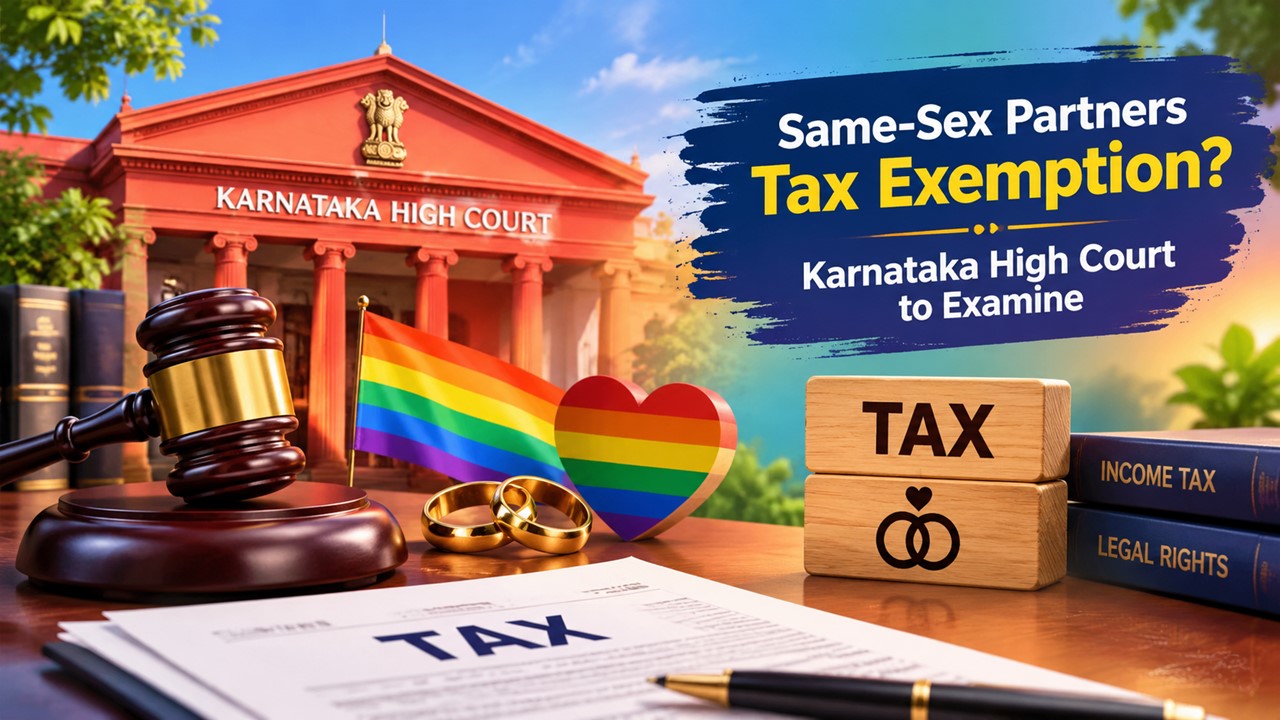
The Karnataka High Court case examines whether a same-sex partner can be treated as a “spouse” for claiming gift tax exemption under Section 56(2)(x) of the Income Tax Act, 1961.
HC to Consider ‘Spouse’ Definition for Gift Income Tax Exemption Under Section 56(2)(x)
 Saloni Kumari
 Oct 11, 2026
The Karnataka High Court has held on a key issue whether a same-sex partner can be treated as a “spouse” for claiming tax exemption on gifts under the Income Tax Act, 1961. The case, titled Anurag Kalia & Anr. v. Union of India & Anr. (WP No. 28761/2025), raises questions about the income tax exemptions available to couples whose relationships are not legally recognised as marriages.
In this case, one partner from a same-sex couple had gifted a 22-karat gold bracelet to the other one as a token of celebration of their anniversary. The bracelet was claimed to be a family heirloom. Thereafter, the couple claimed income tax exemption on the bracelet under Section 56(2)(x) of the Income Tax Act (applies to gifts received from specified relatives). However, the relief was denied.

Subsequently, the couple challenged the constitutional validity of the term “spouse” in relation to the Fifth Proviso to Section 56(2)(x) of the Income Tax Act, 1961, as the benefit was only available to a married heterosexual couple, and as per the couple in the present case, the benefit should be extended to same-sex partners. Their argument was that a long-term same-sex partner should also be covered under the meaning of “spouse” for claiming this tax benefit.
The Revenue opposed this argument, saying that the term “spouse” under the Income Tax Act refers to a legally recognised husband or wife. It relied on Section 2(41) of the Act, which includes a husband or wife within the definition of “relative” for the relevant tax provisions.

The matter also comes against the background of the Supreme Court’s 2023 judgement in Supriyo v. Union of India. In that case, the Supreme Court did not recognise a fundamental right to marry for same-sex couples and held that creating a legal framework for such marriages falls within the legislature’s domain.
The case highlights the link between legal recognition of relationships and the tax benefits available under existing laws. The key question is whether a same-sex partner can qualify as a “spouse” for claiming the gift-tax exemption when the law does not recognise their relationship as a marriage. The outcome could clarify how statutory definitions of family relationships apply when determining eligibility for tax benefits.
About Author


Saloni Kumari
Content Writer
 StudyCafe
 Delhi, Delhi, India
 2888
2888My Recent Articles
- ITAT Remits Section 80G Renewal Application to CIT(E) for Fresh Consideration in Light of CBDT Circular
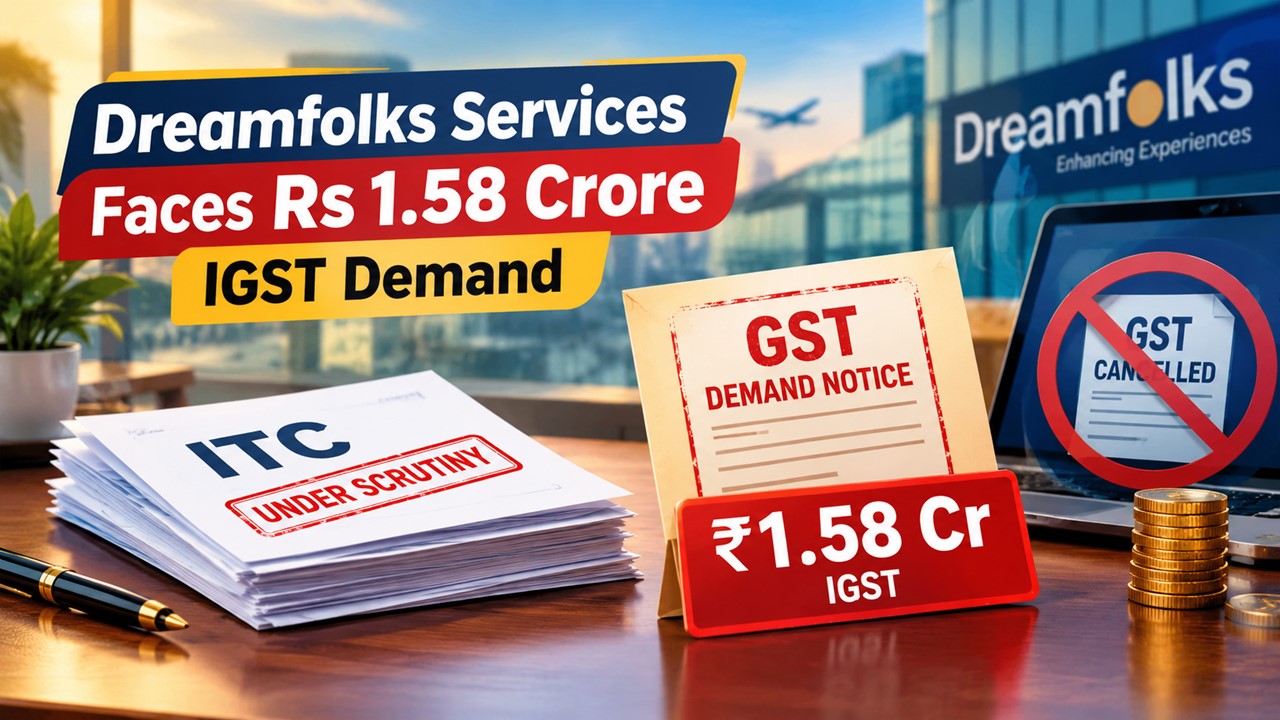
- Dreamfolks Services Faces Rs 1.58 Crore IGST Demand Over ITC Availment on Invoices Issued by GST-Cancelled Supplier
- ITAT Restores Taxpayer's Appeal In Interest of Natural Justice After CIT(A)'s Failure to Decide Appeal on Merits
- ITAT Restores Income Tax Appeal to CIT(A) After Condoning 115-Day Delay Due to COVID-19 Genuine Hardship
- ITAT Quashes Reassessment Order Against Geecee Ventures Over Lack of Section 151 Approval From Specified Authority
Loading suggestions…


Recent Posts

All Posts
Recent Posts
All Posts