Cash Deposits from Sales Not Unexplained, Rules Tribunal:
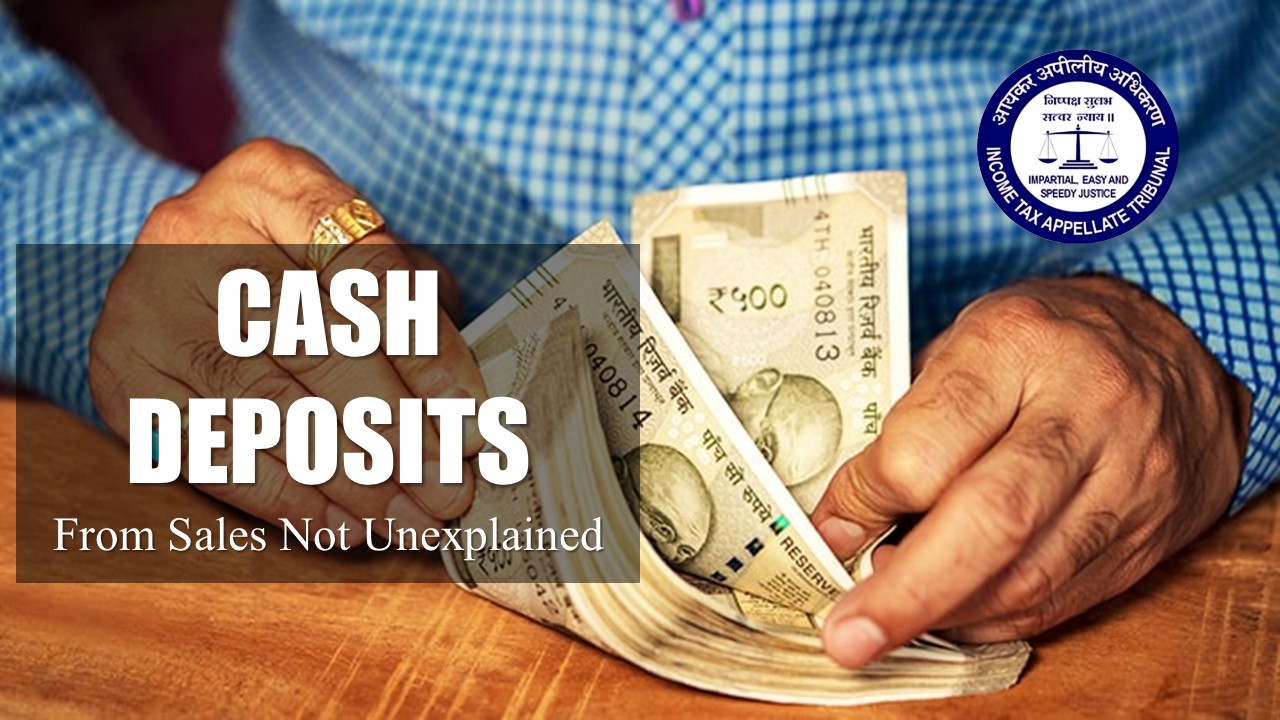
ITAT deletes additions on demonetisation cash deposits and unsecured loans under Section 68.
Banking Channel Transactions Cannot Be Doubted Without Evidence
 Meetu Kumari
 May 8, 2026
Cash Deposits from Sales Not Unexplained, Rules Tribunal.
Assessee is a partnership firm involved in refining and dealing in precious metals and has filed its returns for AYs 2017-18 and 2018-19, showing income from normal business activities. While examining the returns of the assessee, the Assessing Officer noted the deposits of Rs 1.18 crore made by it during the demonetisation period and has considered the same as unexplained income under Section 68 of the Income Tax Act, alleging that there were no genuine cash sales as claimed by the assessee.
Additionally, additions have been made to the income of the assessee for the AY 2018-19 on account of unsecured loans of Rs. 28.26 crore obtained from different persons, including an NBFC, since the assessee could not prove the identity of the lenders, their financial standing, and the genuineness of the transaction.
Main Issue: Whether cash deposits from recorded sales and bank-routed unsecured loans can be treated as unexplained credits under Section 68?
Tribunal's Decision: The Tribunal took the side of the assessee and deleted all additions. It was pointed out that the cash deposits in demonetisation were fully backed by documented cash sales being part of the declared turnover, accompanied by a reduction of stock and without any defect in the bookkeeping. As sales had already been recognised, any attempt to tax the very same thing as an unexplained cash deposit will amount to double taxation, which is not permissible. As regards the unsecured loans, the Tribunal held that the dealings with Gogia Leasing Ltd., a registered NBFC, were genuine and were normal business dealings made through banking channels only.
Full documentary proof of the identity, creditworthiness and genuineness was available. Moreover, the receipts made during the year were in the nature of repayments of short-term deposits, which cannot at all be taxed under Section 68. In respect of other creditors, it was found that there was no receipt of a loan during the year, and thus, Section 68 cannot be invoked at all. The Tribunal laid stress on the point that mere suspicion cannot take the place of evidence, and once the assessee has done its job, the onus shifts to the revenue.
To Read Full Order, Download PDF Given Below.

About Author


Meetu Kumari
Content Manager
Meetu Kumari is an Experienced Advocate and Content Writer with 4+ years of demonstrated history of working in the law practice industry. Skilled in Developing Content, Researching, and Drafting. Strong professional with a Bachelor of Science (B.Sc.) focused on Law from Gujarat National Law University.
Meetu Kumari is an Experienced Advocate and Content Writer with 4+ years of demonstrated history of working in the law practice industry. Skilled in Developing Content, Researching, and Drafting. Strong professional with a Bachelor of Science (B.Sc.) focused on Law from Gujarat National Law University.
 Studycafe
 Jodhpur, Rajasthan, India
 2264
2264My Recent Articles
- ITAT Condones 302-Day Delay, Restores Salary Assessment for Fresh VerificationPremium
- ITAT Condones Delay After Tax Consultant's Death, Restores Appeals for Fresh HearingPremium
- ITAT Remands Salary Addition, Says Taxability Depends on Salary Becoming Due, Not Mere ReceiptPremium
- ITAT Deletes TP Royalty Adjustment, Orders Fresh Review of Commission BenchmarkingPremium
- ITAT Quashes Reassessment Over Unsigned Section 148 Notice Issued to AssesseePremium
Up Next
Loading suggestions…


Recent Posts

All Posts

Recent Posts
All Posts