CBIC Introduces Eligible Manufacturer Importers Scheme to Strengthen Trusted Importers Framework:
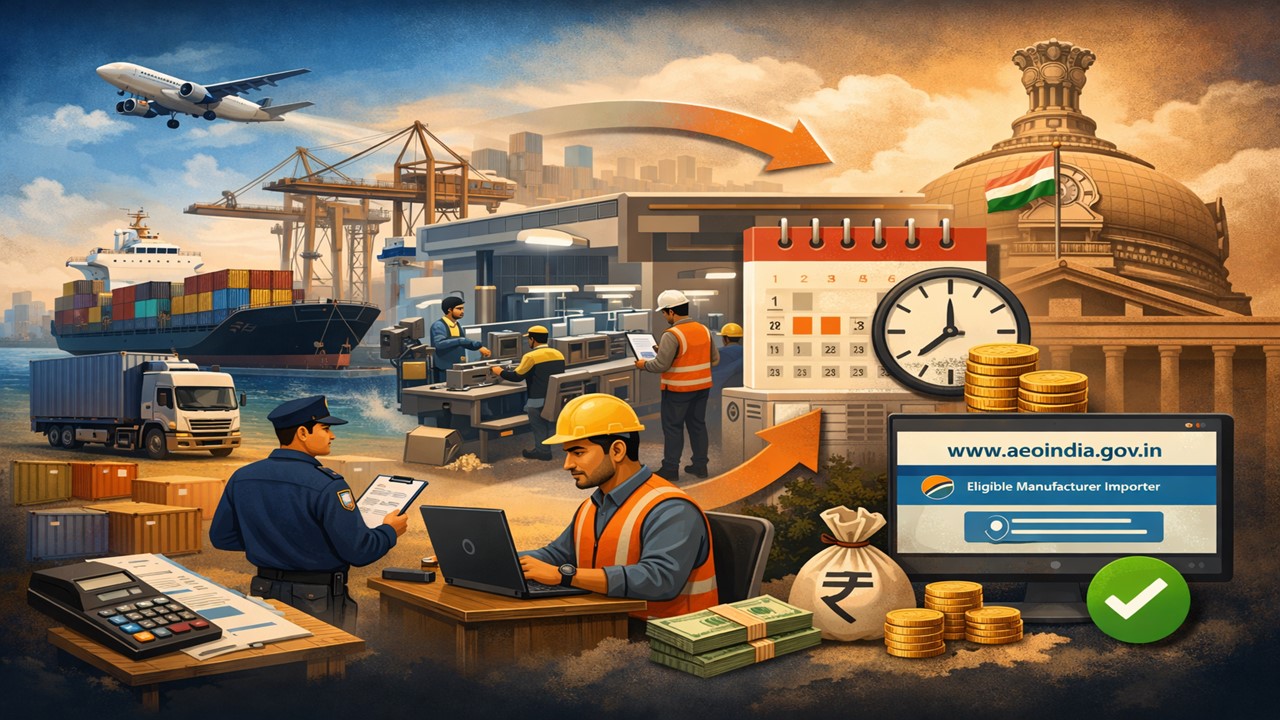
CBIC has introduced a deferred Customs Duty payment facility for Eligible Manufacturers, allowing manufacturers to clear imports without paying duty upfront.
CBIC Unveils EMI Category for Duty Deferment
 Vanshika verma
 Mar 2, 2026
CBIC Introduces Eligible Manufacturer Importers Scheme to Strengthen Trusted Importers Framework
In the Union Budget 2026-27, the Government announced a new initiative to support trusted manufacturers. In line with this announcement, the Central Board of Indirect Taxes and Customs (CBIC) has introduced a new category of importers called Eligible Manufacturer Importers (EMIs).
Apart from this, CBIC has also issued a circular (No. 08/2026-Customs) dated February 28, 2026, which includes all eligibility criteria, application procedures and operational guidelines.
The benefit will be made available from April 1, 2026 and will remain in force until March 31, 2028. Existing AEO-T1 entities, such as MSMEs, can also avail themselves of this benefit if they meet the mentioned eligibility criteria.
The scheme is especially made to ease financial pressure on trusted manufacturers by allowing them to defer payment of import duties and improve their working capital management.
Under this category, eligible manufacturers will not be required to pay Customs duty at the time their goods are cleared at the port. Instead, they can pay the applicable Customs duty later on a monthly basis, as per the Deferred Payment of Import Duty Rules, 2016. This will help manufacturers to manage their cash flow and working capital more efficiently.
The EMI scheme is a trust-based system created to help manufacturers who follow the rules. It makes import procedures easier and faster for them.
Manufacturers can apply for the EMI scheme online starting from March 1, 2026. Applications can be submitted through the AEO portal at www.aeoindia.gov.in under the section called "Eligible Manufacturer Importer".
This reform aims to make doing business easier in India. It encourages companies to follow customs rules more carefully, increases participation in the AEO programme, and supports domestic manufacturing.
About Author


Vanshika verma
Content Writer
Vanshika Verma is a Content Writer with 1+ year of experience at Studycafe.in. A B.Com graduate from Delhi University, She writes articles on Finance, Tax, ICAI, GST, and the latest financial news, with a focus on making complex topics easy for readers and professionals.
Vanshika Verma is a Content Writer with 1+ year of experience at Studycafe.in. A B.Com graduate from Delhi University, She writes articles on Finance, Tax, ICAI, GST, and the latest financial news, with a focus on making complex topics easy for readers and professionals.
 Studycafe
 Delhi, Delhi, India
 2082
2082My Recent Articles
- Received a WhatsApp Message Saying Money Was Debited From Your Bank Account? Hyderabad Police Commissioner Issues a Major Cyber Fraud Warning
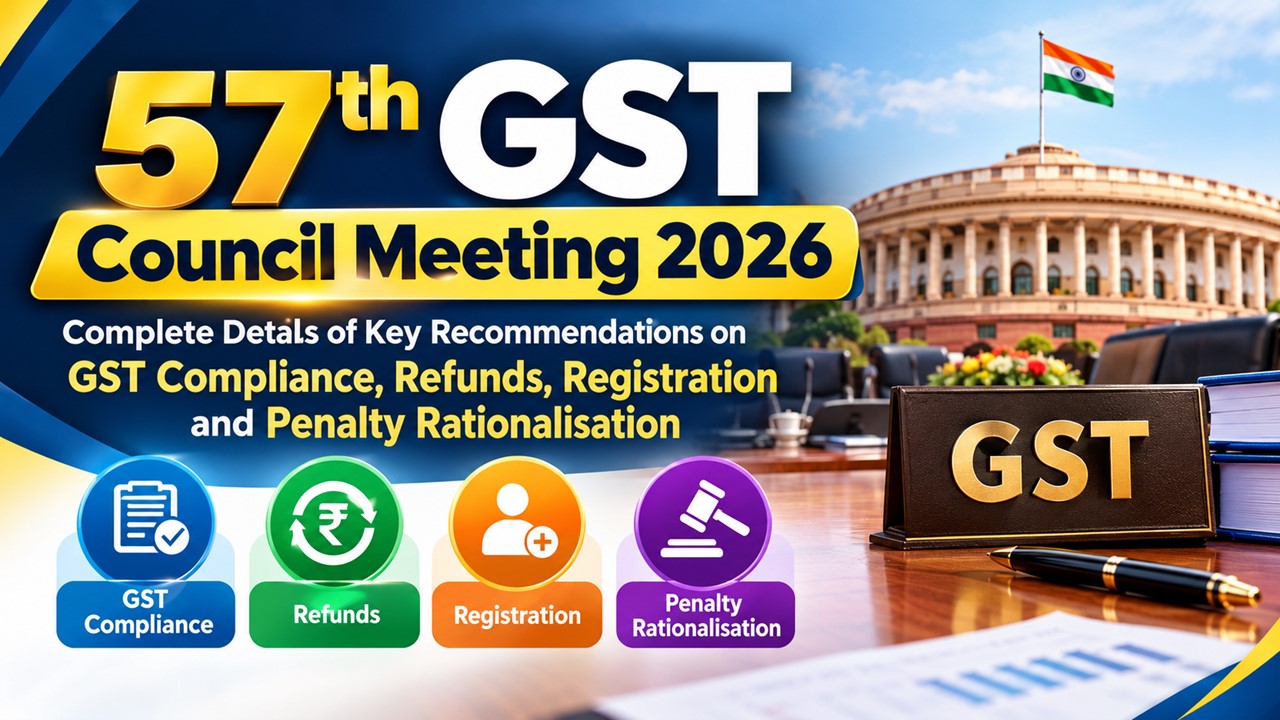
- 57th GST Council Meeting 2026: Complete Details of Key Recommendations on GST Compliance, Refunds, Registration and Penalty Rationalisation
- JSW Dulux Gets Major Relief as Madhya Pradesh GST Appellate Authority Cancels Entire Rs 77.13 Lakh Demand
- Centre to Set Up Monitoring Mechanism to Ensure Proper Implementation of GST Reforms Across States
- JK Tyre Receives Rs 94.86 Crore GST Show-Cause Notice for FY23 Over ITC Claims, Tax Classification and Supply Disputes
Up Next
Loading suggestions…


Recent Posts

All Posts
Recent Posts
All Posts