CBIC will increase Departmental Audits to enhance GST Compliance
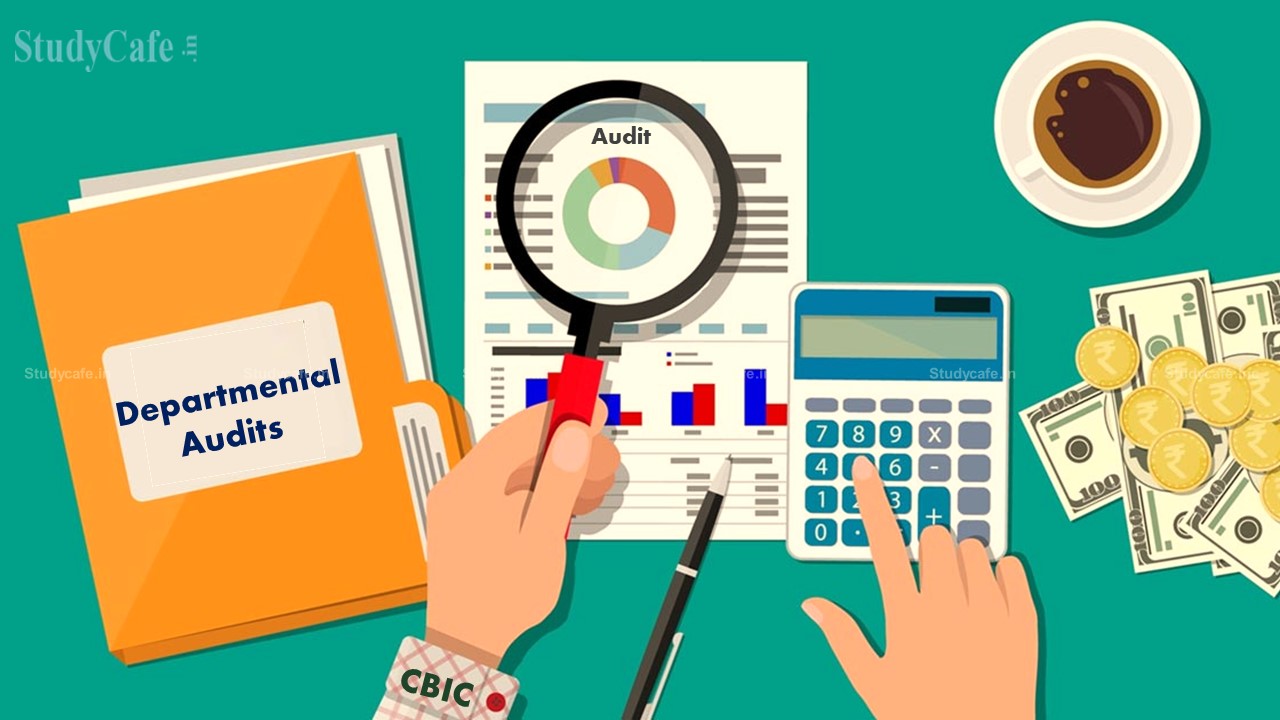
CBIC will increase Departmental Audits to enhance GST Compliance Chairman Vivek Johri of the Central Board of Indirect Taxes and Customs (CBIC) said …
 Sushmita Goswami
 Feb 8, 2022
CBIC will increase Departmental Audits to enhance GST Compliance
Chairman Vivek Johri of the Central Board of Indirect Taxes and Customs (CBIC) said in an interview that the board plans to increase scrutiny and departmental audits of risky taxpayers to enhance GST collections while leveraging data and technology to guarantee that staff make transparent judgments.
According to Johri, the central government's indirect tax revenue sources would alter over time, with green mobility increasing and fossil fuel usage decreasing.
More services, such as electric car charging stations and service centres, might become sources of GST revenue, while a focus on tax compliance in domestic transactions and a larger tax base compensate for the reduced use of fossil fuels for revenue collection.
In an interview, the CBIC chairman stated that the department's compliance improvement measures are already apparent in GST collections, and that there is room for revenue growth by implementing further GST procedures.
He claimed that CBIC was already concentrating on them.
"Aside from verifying that those who enter the tax base file returns and pay their taxes, what we need to look at now, and what we have already started because it is an important part of any tax administration, is the need to scrutinize the returns properly to ensure that the data that has been turned in is valid and compares well with the financials that the business has reported," says the official. "We'll deal with it through examination and audit," Johri added.
These are the two pillars of CBIC's compliance management strategy, he stated. States are focused on it as well, he said.
CBIC now conducts scrutiny and departmental audits based on various red flag reports generated by the system due to inconsistencies. The current focus is on making the scrutiny and departmental audit cases more methodical and structured around risk metrics.
"We're also putting out the procedures for doing that examination." That is, what are the checks that must be performed for a specific sort of risk, and we will inform the field officer. Similarly, we will choose cases for audit," Johri explained.
Scrutiny differs from audit in that an audit examines assessees' financials to determine if they match what is declared in the GST return.
"It goes without saying that it will be technology-driven in this day and age," Johri said, adding that the process will be data-driven and automated so that officers conducting inspection have transparent inputs on what they need to verify in the tax returns and what the potential risk areas are.
Departmental audits existed in the old excise duty and services tax systems, as well as the GST regime, but the focus currently is on leveraging the tax authority's considerable data and IT expertise to make it more robust in order to broaden the revenue base.
Anti-evasion measures implemented by the federal and state governments have already improved GST revenues. With state GST compensation ending in June, state administrations are also eager to employ compliance-enhancing measures.
About Author


Sushmita Goswami
Content Manager
Sushmita Goswami is a content writer with 2+ years of experience in Finance, Recruitment, Education and career Related Content. She is a Graduate from Delhi University in Journalism and Mass Communication
Sushmita Goswami is a content writer with 2+ years of experience in Finance, Recruitment, Education and career Related Content. She is a Graduate from Delhi University in Journalism and Mass Communication
 Studycafe
  New Delhi , Delhi, India
 886
886My Recent Articles
- What to Consider When Choosing an Online Trading Platform?
- Post Office Franchise Scheme: Take Post Office Franchise at Rs 5000 and Earn Commission upto 20%; Check Details Here
- IAN invests INR 4.5 crore in Fintech NBFC Indium Finance
- UPI a Digital Public Good, No Charges in Consideration: Finance Ministry
- ITR Filing Penalty: Check Taxpayers Exempt from Paying a Late Fee even Missing the Deadline
Up Next
Loading suggestions…


Recent Posts


All Posts

Recent Posts
All Posts