Credit Cardholders Beware! Eight Settings Every Cardholder Should Review to Curb Fraud Risk:
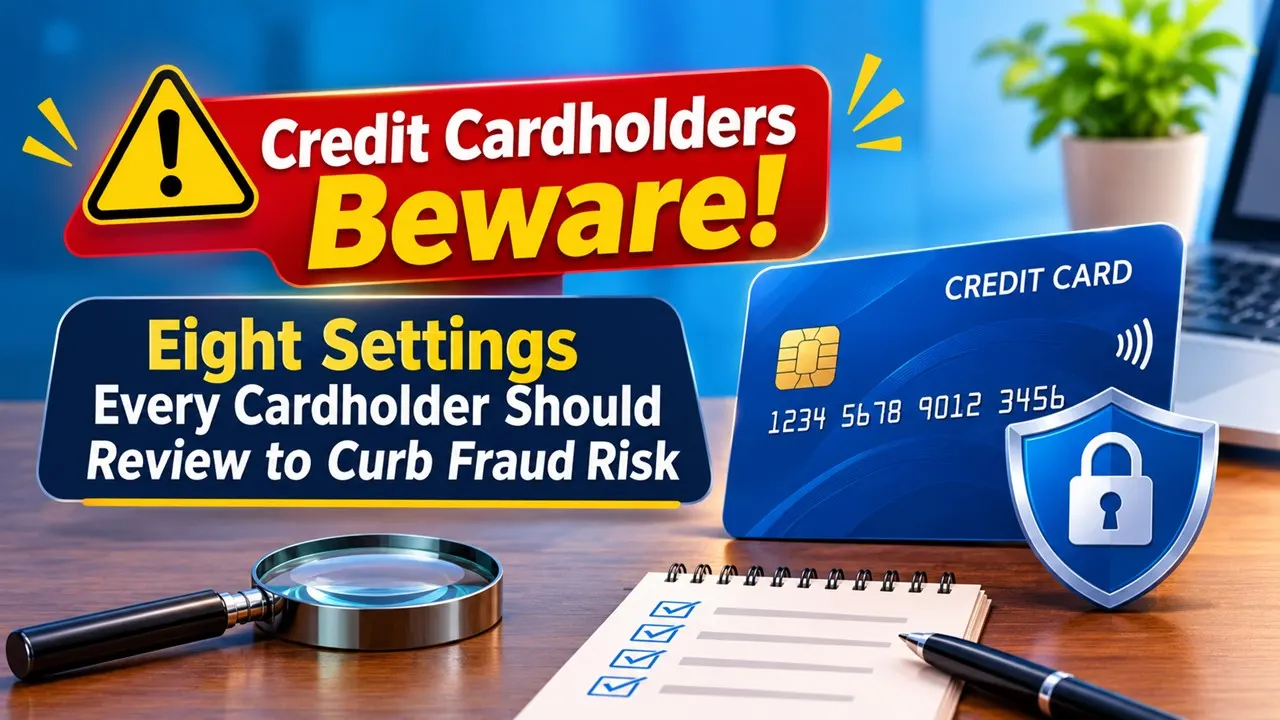
Credit cardholders can reduce fraud risks by disabling unused transaction facilities, setting spending limits, enabling transaction alerts and following essential security measures.
Protect Your Credit Card from Fraud by Changing These Important Settings
 Saloni Kumari
 Nov 14, 2026

As people increasingly rely on credit cards, their use has grown significantly. However, credit card users must note that credit cards come with several fraud risks. Credit card holders can curb these risks by reviewing their card settings and switching off payment facilities they rarely use. Most banks allow customers to manage these settings through mobile banking apps and internet banking.
The Reserve Bank of India (RBI) allows cardholders to enable or disable different transaction channels and set spending limits for domestic and international transactions. These include:

Online Payments
Point-of-sale (PoS) transactions
ATM withdrawals

Contactless payments
Checklist Creditcard Holders Should Review:
Cardholders should consider disabling online transactions when they are not required or setting lower spending limits.
Similarly, international transactions should remain switched off if the cardholder does not travel abroad or make purchases from foreign websites.
For contactless payments, customers can disable the tap-and-pay facility or set a lower transaction limit if they rarely use it.
Customers should also set daily spending limits for PoS transactions according to their regular spending habits. Credit card cash withdrawals from ATMs should be disabled if the facility is not used.
Additionally, the over-limit transaction facility should remain switched off unless necessary. Banks must obtain customers' prior explicit consent before allowing transactions beyond the sanctioned credit limit.
It is very important to keep transaction alerts. Cardholders should enable SMS, email and mobile app notifications to receive updates about every transaction and quickly identify unfamiliar payments.
Customers should avoid sharing OTPs if they have not made any such transaction. They should immediately block their credit card and report the unauthorised transaction to their bank.
Regularly reviewing these settings can help cardholders strengthen their account security and reduce the chances of unauthorised transactions.
About Author


Saloni Kumari
Content Writer
 StudyCafe
 Delhi, Delhi, India
 3050
My Recent Articles
- Powerica Limited Gets Rs 15.98 Crore Income Tax Refund After Section 154 Rectification
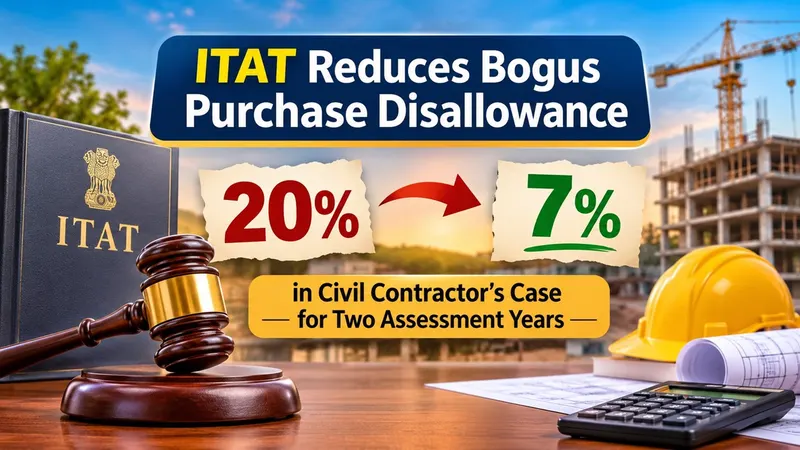
- ITAT Reduces Bogus Purchase Disallowance from 20% to 7% in Civil Contractor's Case for Two Assessment Years
- Rane Holdings Subsidiary Gets Relief as GST Authorities Withdraw Rs 11.88 Crore Demand
- MCA Reminds Companies of November 29 Deadline to File PAS-6 for September 2026 Half-Year
- ITAT Restricts Bogus Purchase Disallowance to 1%, Slashes Addition from Rs 50.95 Lakh to Rs 50,950
Loading suggestions…


Recent Posts


All Posts


Tags
Recent Posts
All Posts