Delhi HC Reprimands State GST Department for using AI-Generated Fake Case Laws in SCN:
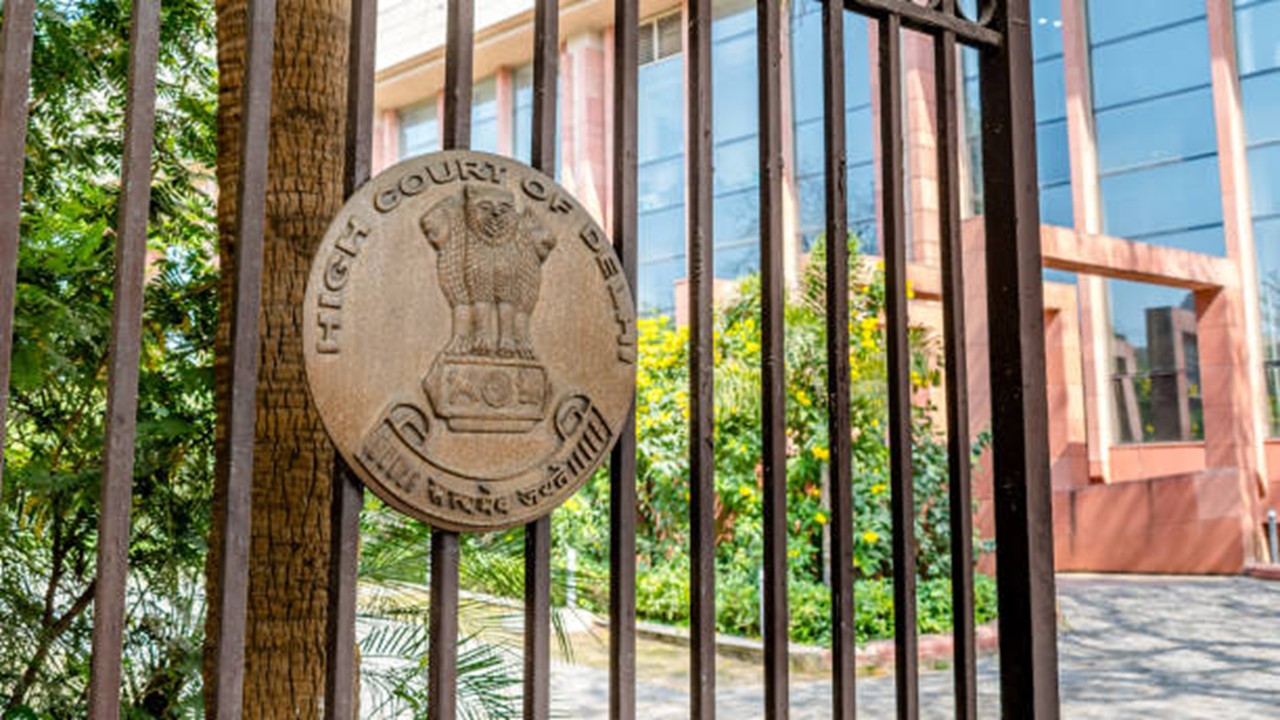
Court warns GST and IT departments against unverified AI-based citations after detecting non-existent judgments in SCN.
Delhi High Court Flags Use of AI-Generated Fake Case Laws in GST Show Cause Notice
 Meetu Kumari
 Dec 2, 2025
Delhi HC Reprimands State GST Department for using AI-Generated Fake Case Laws in SCN
M/s JM Jain, through its proprietor, approached the Delhi High Court challenging a detailed Show Cause Notice issued by the Directorate General of GST Intelligence (DGGI). The SCN was based primarily on material shared by the Income Tax Department after a 2022 search that allegedly uncovered a parallel “JSK Server,” unaccounted transactions, hidden digital records, WhatsApp chats, handwritten slips, and statements of employees and associates. Thus, the GST authorities issued the SCN demanding tax and penalty covering multiple AYs.
The petitioner questioned the SCN in the appeal. A specific charge raised by the petitioner was that some of the judgments cited in paragraph 21 of the SCN were non-existent and appeared to be AI-generated fabrications.
Issues Raised: Whether the SCN issued under Section 74 of the CGST Act was liable to be quashed at the threshold, particularly in light of the petitioner’s allegation that the Department relied on AI-generated fake judicial citations.
HC's Ruling: The Court held that at the SCN stage, judicial interference is limited. It found that the GST authorities had not merely reproduced the IT Department’s findings but had undertaken their own scrutiny of seized material, statements, and digital records. The Court emphasised that presumptions under Sections 132(4A) and 292C of the Income Tax Act do not automatically apply to GST proceedings; however, the underlying documents and statements can serve as the starting point for an independent GST investigation. As the SCN was detailed, supported by Relied Upon Documents (RUDs), and made all material available to the noticee, it could not be quashed.
Importantly, the Court addressed the petitioner’s allegation of AI-generated judgments. Upon verifying the cited precedents from physical law reports, the Court found that one judgment, namely, Surjeet Singh Chhabda v. UOI was completely non-existent, and another citation actually pertained to an unrelated case. The Court issued a strong warning, government departments must not reproduce or rely on judgments sourced through Artificial Intelligence without manual verification. Referring to recent Bombay High Court and Delhi High Court precedents, the Bench reiterated that AI tools can hallucinate, fabricate case law, and mislead adjudicating authorities. While this defect alone did not justify quashing the SCN, the Court directed that authorities must exercise “utmost caution” and bear full responsibility for ensuring accuracy before issuing notices or orders.
To Read Full Judgment, Download PDF Given Below
About Author


Meetu Kumari
Content Manager
Meetu Kumari is an Experienced Advocate and Content Writer with 4+ years of demonstrated history of working in the law practice industry. Skilled in Developing Content, Researching, and Drafting. Strong professional with a Bachelor of Science (B.Sc.) focused on Law from Gujarat National Law University.
Meetu Kumari is an Experienced Advocate and Content Writer with 4+ years of demonstrated history of working in the law practice industry. Skilled in Developing Content, Researching, and Drafting. Strong professional with a Bachelor of Science (B.Sc.) focused on Law from Gujarat National Law University.
 Studycafe
 Jodhpur, Rajasthan, India
 2264
2264My Recent Articles
- ITAT Condones 302-Day Delay, Restores Salary Assessment for Fresh VerificationPremium
- ITAT Condones Delay After Tax Consultant's Death, Restores Appeals for Fresh HearingPremium
- ITAT Remands Salary Addition, Says Taxability Depends on Salary Becoming Due, Not Mere ReceiptPremium
- ITAT Deletes TP Royalty Adjustment, Orders Fresh Review of Commission BenchmarkingPremium
- ITAT Quashes Reassessment Over Unsigned Section 148 Notice Issued to AssesseePremium
Up Next
Loading suggestions…


Recent Posts
All Posts
Recent Posts
All Posts