Delhi HC Upholds Dismissal of PNB Officer for Four-Year Unauthorized Absence:
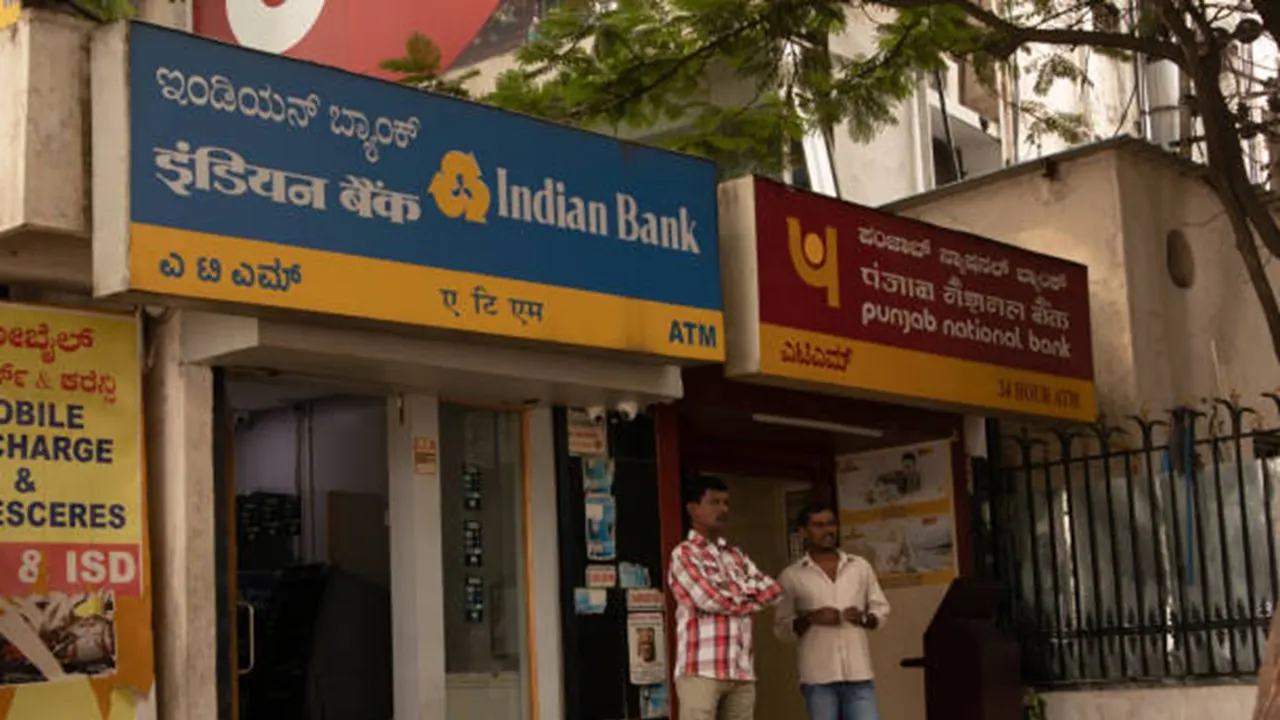
High Court upholds PNB’s decision to terminate an officer for prolonged unauthorized absence, rejecting claims of depression and family hardship as unsubstantiated
HC: Four-Year Unauthorized Absence Justifies Dismissal of PNB Officer
 Meetu Kumari
 Nov 10, 2025
Delhi HC Upholds Dismissal of PNB Officer for Four-Year Unauthorised Absence
Atul Mohan, an officer who originally joined the Oriental Bank of Commerce in 2011 (later merged with Punjab National Bank), challenged his dismissal orders dated 11 December 2023 and 17 September 2025 before the High Court. The bank terminated his services after finding him absent without authorization from 13 January 2020 onward. Mohan contended that he was under severe emotional distress following medical complications and the eventual abortion of his wife’s pregnancy in February 2020. He claimed to have sent multiple emails requesting a transfer and expressing willingness to rejoin duty, but received no response.
In the appeal before the Hon'ble High Court, he argued that his absence was not willful but due to depression arising from family hardship. The bank said that Mohan neither resumed duty nor did he provide any valid medical proof inspite of several reminders between 2020 and 2023. The disciplinary enquiry was conducted under Regulation 6 of the PNB Officer Employees’ (Discipline & Appeal) Regulations, 1977, and the appellate authority upheld the findings. The petitioner relied on Krushnakant B. Parmar v. Union of India (2012) to argue that his absence was not deliberate, but the High Court examined whether the evidence supported such a claim.
Central Issue: Whether the petitioner’s prolonged unauthorized absence from duty could be excused on medical or compassionate grounds, thereby invalidating the bank’s termination order.
HC's Order: The Hon'ble Court held that the petitioner’s absence from duty for nearly four years was deliberate and unjustified. The Court noted that no medical evidence had been produced during the disciplinary or appellate proceedings to substantiate claims of depression or illness. The two certificates later submitted, one from a homoeopathic doctor dated February 2024 and another from March 2024, did not cover the crucial period of absence from January 2020 to January 2023. The Court also observed that Mohan’s emails were requests for transfer rather than attempts to rejoin duty, revealing a conscious defiance of instructions to report back.
Relying on Krushnakant B. Parmar (2012), the Court reaffirmed that while unauthorised absence may not be deemed willful if arising from compelling circumstances, such conditions must be proven by credible evidence. Since Mohan failed to prove the circumstances and repeatedly ignored opportunities provided for the enquiry, the termination was found lawful and procedurally sound.
Thus, the writ petition was dismissed, and all pending applications were closed.
To Read Full Order, Download PDF Given Below
About Author


Meetu Kumari
Content Manager
Meetu Kumari is an Experienced Advocate and Content Writer with 4+ years of demonstrated history of working in the law practice industry. Skilled in Developing Content, Researching, and Drafting. Strong professional with a Bachelor of Science (B.Sc.) focused on Law from Gujarat National Law University.
Meetu Kumari is an Experienced Advocate and Content Writer with 4+ years of demonstrated history of working in the law practice industry. Skilled in Developing Content, Researching, and Drafting. Strong professional with a Bachelor of Science (B.Sc.) focused on Law from Gujarat National Law University.
 Studycafe
 Jodhpur, Rajasthan, India
 2264
2264My Recent Articles
- ITAT Condones 302-Day Delay, Restores Salary Assessment for Fresh VerificationPremium
- ITAT Condones Delay After Tax Consultant's Death, Restores Appeals for Fresh HearingPremium
- ITAT Remands Salary Addition, Says Taxability Depends on Salary Becoming Due, Not Mere ReceiptPremium
- ITAT Deletes TP Royalty Adjustment, Orders Fresh Review of Commission BenchmarkingPremium
- ITAT Quashes Reassessment Over Unsigned Section 148 Notice Issued to AssesseePremium
Up Next
Loading suggestions…


Recent Posts


All Posts

Recent Posts
All Posts