Demonetisation: Tribunal Flags Rs. 2.95 Cr Unexplained Sales as Suspicious:
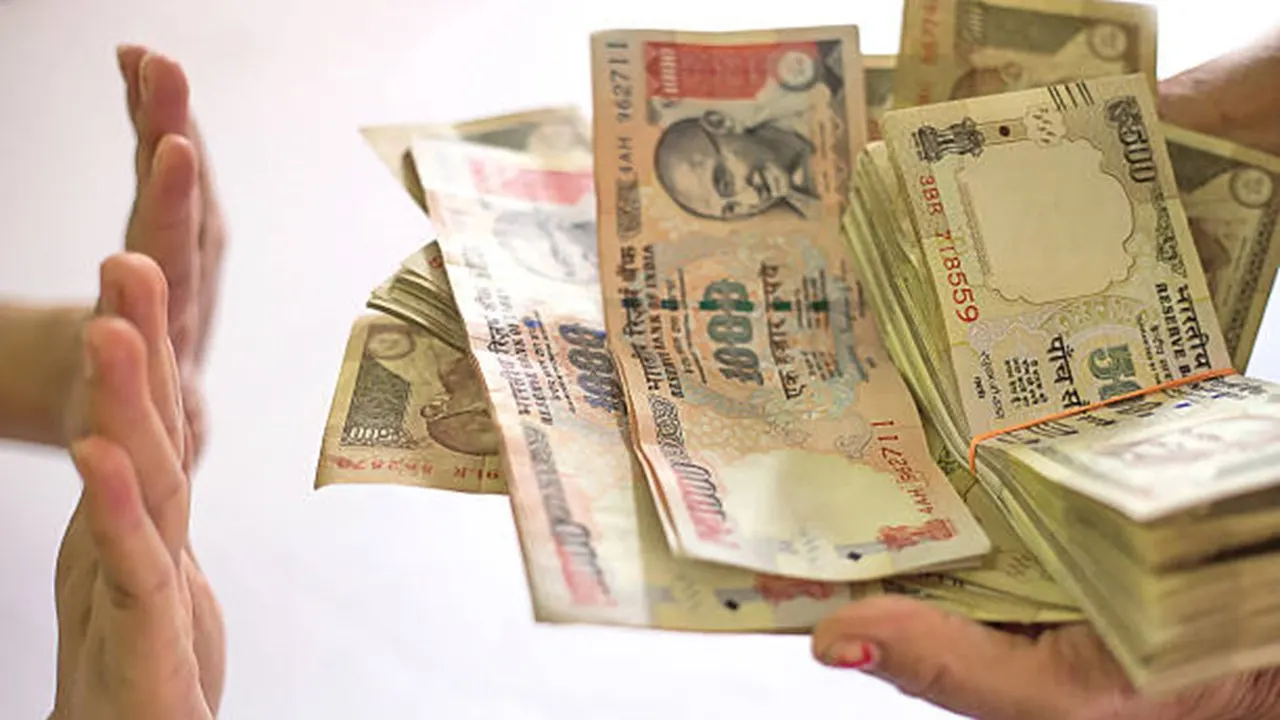
Tribunal finds jewellery cash sales during demonetisation period unsubstantiated; rules in favour of Revenue
ITAT Delhi Upholds 2.95 Cr Demonetisation Cash Addition under Section 68
 Meetu Kumari
 Jun 27, 2025
Demonetisation: Tribunal Flags Rs. 2.95 Cr Unexplained Sales as Suspicious
The assessee, being a jeweller, had deposited Rs. 3.02 crore in old currency notes between 09.11.2016 and 31.12.2016. The Assessing Officer noted that these deposits were claimed to be cash sales of jewellery made mostly during October and early November 2016. The AO observed that none of the sale invoices exceeded Rs. 2 lakhs, there were no PAN or addresses on the bills, and such sales were not present in earlier or later years. The assessee explained the spike in sales, citing festive season demand. The AO rejected the explanation, holding that the cash was the assessee’s own unaccounted money introduced through fabricated sale bills, and added Rs. 2.95 crore as unexplained credit under Section 68.
The CIT(A), Delhi, on appeal filed by the assessee, deleted the addition of Rs. 29,578,312 made under Section 68 read with Section 115BBE. The Revenue appealed against the order of CIT (A) to the ITAT.
Main issue: Whether the assessee had fulfilled its obligation to demonstrate the authenticity of cash sales that resulted in sizable cash deposits during the demonetization period, especially when buyer identity, PAN, and comparable future trends were lacking.
ITAT's Decision: The Tribunal overruled the CIT(A)'s decision to delete the addition. It ruled that the assessee had failed to meet its burden under Section 68. The Tribunal observed that, despite the claimed purchases and stock, the genuineness of the cash sales was not established due to the lack of buyer details and the unusually large spike during the demonetization period. The Tribunal stressed that the onus was on the assessee to prove that the cash sales were genuine, especially since there were no comparable sales in similar festive periods in subsequent years. It was found that the CIT(A) had erred in assuming that established purchases automatically justified sales without verifying the corresponding buyers. It concluded that the test of human probability supported the AO’s finding that the cash deposits were unexplained.
Thus, the tribunal partially allowed the Revenue's appeal, restoring the addition of Rs. 2.95 crore while upholding the CIT(A)’s deletion of the Rs. 91,822 disallowance for tour and travel expenses.
To Read Full Judgment, Download PDF Given Below
About Author


Meetu Kumari
Content Manager
Meetu Kumari is an Experienced Advocate and Content Writer with 4+ years of demonstrated history of working in the law practice industry. Skilled in Developing Content, Researching, and Drafting. Strong professional with a Bachelor of Science (B.Sc.) focused on Law from Gujarat National Law University.
Meetu Kumari is an Experienced Advocate and Content Writer with 4+ years of demonstrated history of working in the law practice industry. Skilled in Developing Content, Researching, and Drafting. Strong professional with a Bachelor of Science (B.Sc.) focused on Law from Gujarat National Law University.
 Studycafe
 Jodhpur, Rajasthan, India
 2264
2264My Recent Articles
- ITAT Condones 302-Day Delay, Restores Salary Assessment for Fresh VerificationPremium
- ITAT Condones Delay After Tax Consultant's Death, Restores Appeals for Fresh HearingPremium
- ITAT Remands Salary Addition, Says Taxability Depends on Salary Becoming Due, Not Mere ReceiptPremium
- ITAT Deletes TP Royalty Adjustment, Orders Fresh Review of Commission BenchmarkingPremium
- ITAT Quashes Reassessment Over Unsigned Section 148 Notice Issued to AssesseePremium
Up Next
Loading suggestions…


Recent Posts


All Posts


Recent Posts
All Posts