From Ghee to Cheese: GST Council’s 56th Meet Cuts Dairy Taxes:
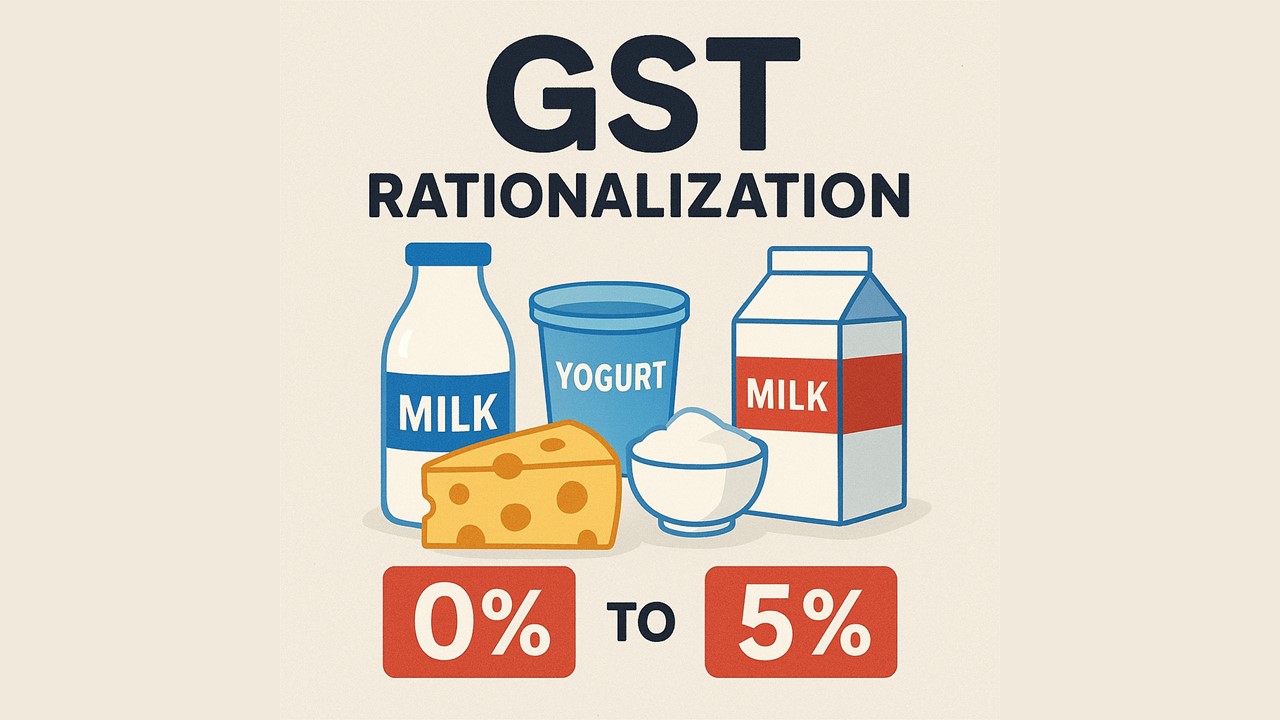
The 56th GST Council has cut tax rates on major dairy products to 0% or 5%, bringing relief to farmers and making dairy items more affordable for consumers
GST Council Slashes Dairy Product Taxes: Boost for Farmers and Consumers
 Saloni Kumari
 Sep 8, 2025
From Ghee to Cheese: GST Council’s 56th Meet Cuts Dairy Taxes
The decision of the 56th GST council meeting held on September 3-4, 2025, has played a major role in strengthening India’s dairy sector. The council has approved a big change of tax rationalisations on milk and milk products.
These GST reforms are one of the most extensive amendments ever made to GST rates in this sector, aimed towards shifting most dairy products to either a nil or only 5% GST rate. These overhauls to GST rates are scheduled to take effect from September 22, 2025. Here's the list of dairy products that will be influenced by these GST cuts and either attract NIL or a 5% GST rate:
- Ultra‑High Temperature (UHT) milk: GST lowered from 5% to Nil
- Paneer/Chhena (pre-packaged and labelled): GST lowered from 5% to nil
- Butter, ghee, and dairy spreads: GST lowered from 12% to 5%
- Cheese: GST lowered from 12% to 5%
- Condensed milk: GST lowered from 12% to 5%
- Beverages containing milk: GST lowered from 12% to 5%.
- Ice cream: GST lowered from 18% to 5%
- Milk cans: GST lowered from 12% to 5%
About Author


Saloni Kumari
Content Writer
Saloni is a Content Writer with 2+ years of experience at studycafe.in. She writes legal, taxation, and finance related content including GST, Income Tax etc. Skilled in translating complex judicial pronouncements and regulatory developments into clear, and reader-friendly articles. Experienced in covering judgements of ITAT, High Court, GSTAT, and news related to Income Tax, GST, and corporate law. She can be reached at [email protected].
Saloni is a Content Writer with 2+ years of experience at studycafe.in. She writes legal, taxation, and finance related content including GST, Income Tax etc. Skilled in translating complex judicial pronouncements and regulatory developments into clear, and reader-friendly articles. Experienced in covering judgements of ITAT, High Court, GSTAT, and news related to Income Tax, GST, and corporate law. She can be reached at [email protected].
 StudyCafe
 Delhi, Delhi, India
 2924
2924My Recent Articles
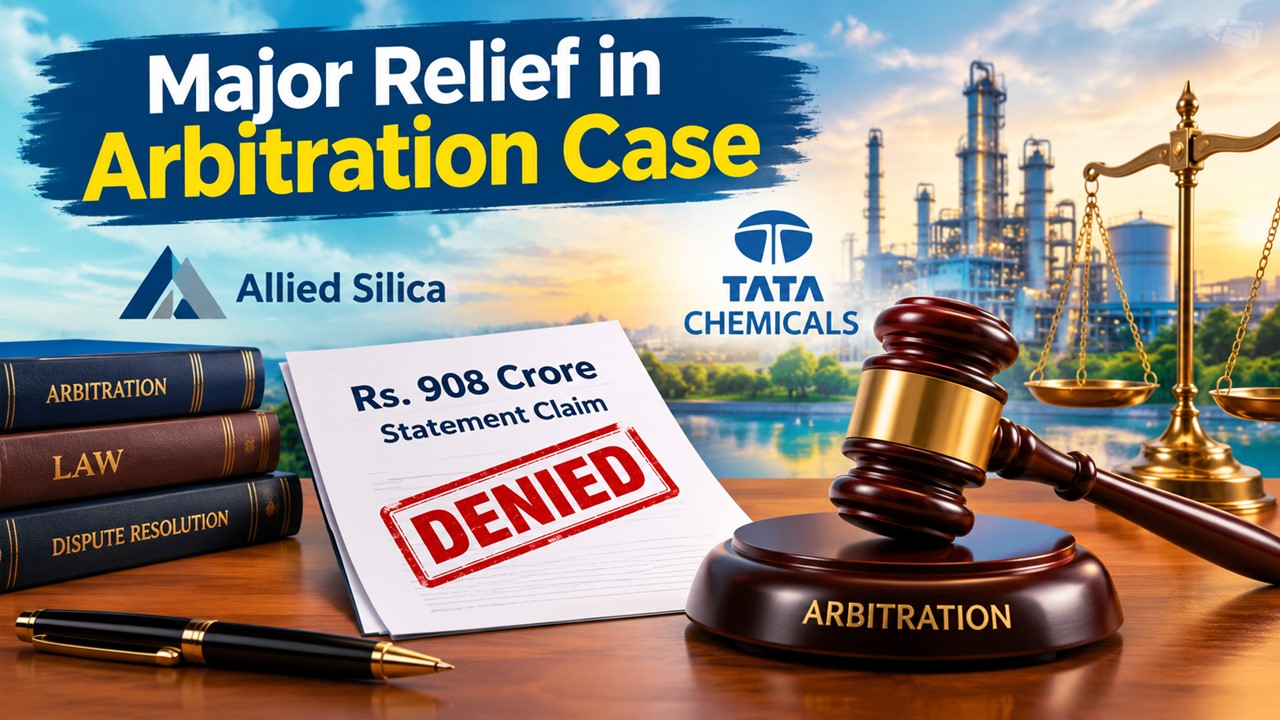
- Major Relief in Arbitration Case: MCIA Denies Rs 908 Crore Statement Claim Made by Allied Silica Against Tata Chemicals
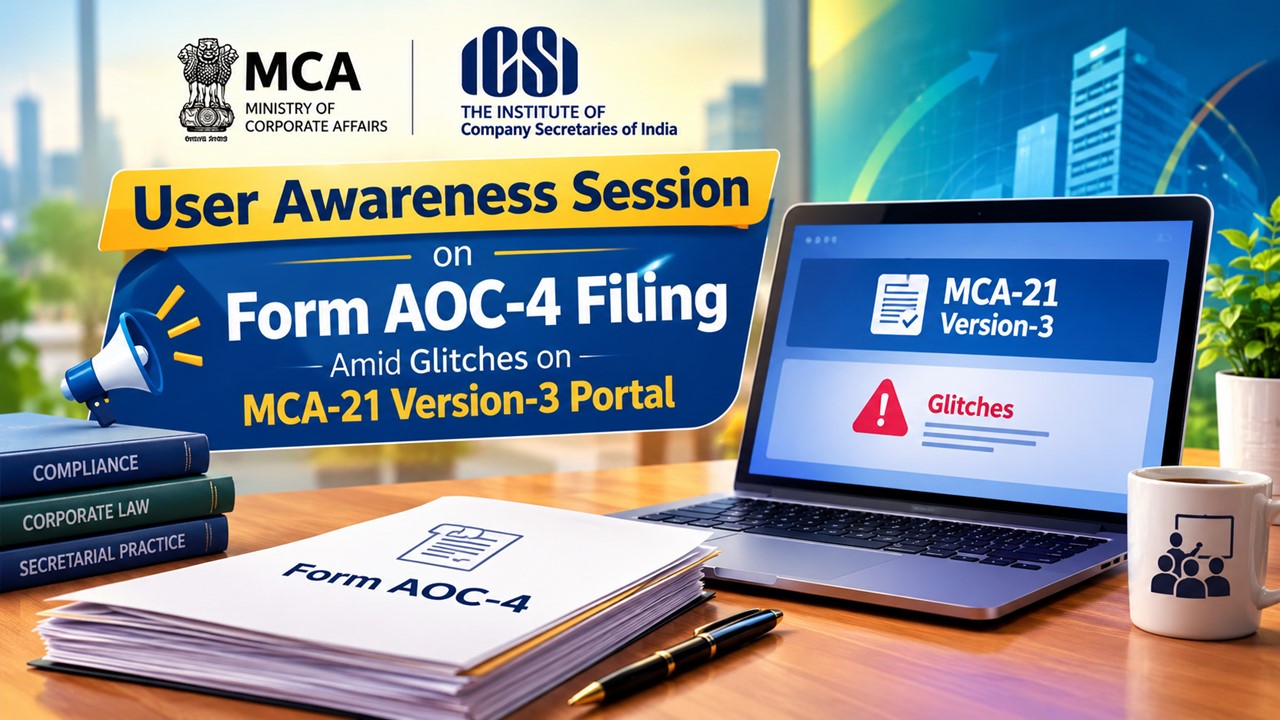
- MCA and ICSI to Hold User Awareness Session on Form AOC-4 Filing Amid Glitches on MCA-21 Version-3 Portal
- GSTN Introduces New E-Invoicing Facility for Self-Invoices Under Reverse Charge Mechanism
- Flexi Cap vs Multi Cap Funds: What's the Real Difference?
- IBA Recommends Public Sector Banks to Reduce Ambit of Physical Branch Audits to 50% of Total Business
Up Next
Loading suggestions…


Recent Posts
All Posts


Tags
Recent Posts
All Posts