Got a Rs 6,000 Income Tax Payment Alert? PIB Fact Check Calls It a Phishing Scam:
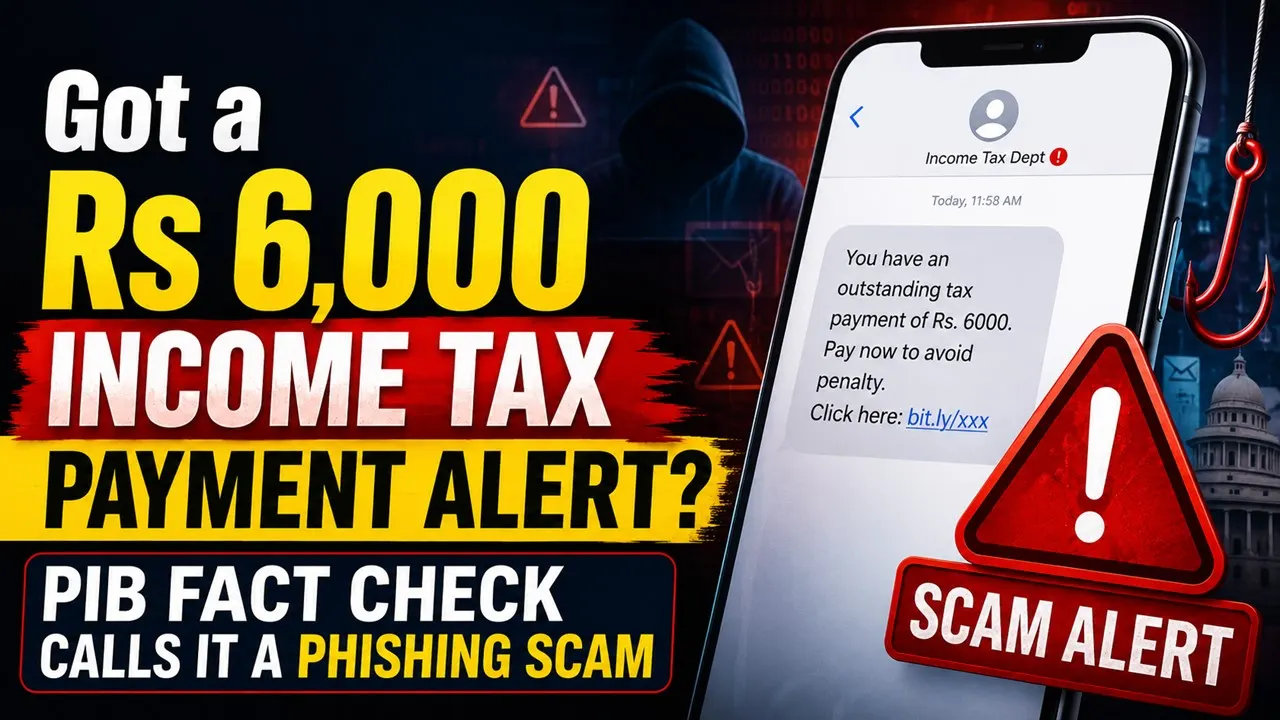
PIB Fact Check warns taxpayers against a fake Rs 6,000 income tax payment message linked to a phishing scam.
Rs 6,000 Tax Message Is Fake
 Vanshika verma
 Aug 20, 2026
Table of Contents

A message asking taxpayers to pay Rs 6,000 in income tax is being circulated online. However, the notice is fake. The Press Information Bureau (PIB) Fact Check has warned taxpayers that the message is part of a phishing scam.
The message may look believable, especially for people who have recently filed their income-tax return, are waiting for a refund or are unsure whether they have any tax left to pay. The specific amount mentioned in the message can also make it appear genuine.

Do Not Click on the Payment Link
Do not click on any payment link you get through a suspicious email, SMS or message. These messages will typically be made to look like they are coming from an official body – the fraudsters will usually set these up to look like this. They may use government logos, formal language and requests for urgent payment.
Link can direct users to a fake website similar to the official tax portal. If a person enters bank details, passwords, card information or other personal details, the information could reach fraudsters.
The Income Tax Department has advised taxpayers not to respond to suspicious emails, calls or messages asking for confidential information.

Messages that demand immediate payment should be treated with caution, particularly if they come from an unknown mobile number or email address.
Verify Your Tax Account Directly
If you get a surprise tax bill, do not click on the link in the message. This is not the way. Log in separately to the official e-filing portal of Income Tax Department.
The account can be used to verify any genuine outstanding tax demand or pending action. This is a much more safe way of verifying that the department has indeed requested you to make a payment.
Taxpayers should also look for warning signs in suspicious messages, such as spelling mistakes, strange email addresses, unusual website links, poor language or requests for passwords, PINs or banking information.
However, scammers can now make fake messages look highly professional. Therefore, taxpayers should not trust a message simply because it looks official.
About Author


Vanshika verma
Content Writer
 Studycafe
 Delhi, Delhi, India
 2132
2132My Recent Articles
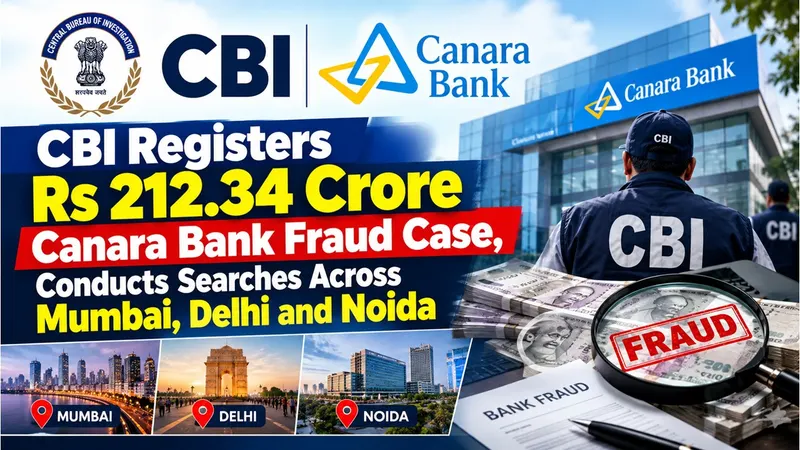
- CBI Registers Rs 212.34 Crore Canara Bank Fraud Case, Conducts Searches Across Mumbai, Delhi and Noida
- Ministry of Finance Notifies Additional Special Court Entries for Karnataka Under PMLA
- Coromandel International Faces Rs 2.50 Crore GST Demand Over Alleged Wrongful ITC Claims, Plans to Appeal
- Income Tax Department Reminds Taxpayers to Meet TDS Compliance Deadlines as Q2 Return Filing Date Approaches
- Opium Poppy Licence Policy 2026-27: Check Who Can Apply, Minimum Morphine Yield Criteria, and Other Details
Loading suggestions…


Recent Posts

All Posts
Tags
Recent Posts
All Posts