GST Exemption on Life Saving Drugs for 51 Dieseases:
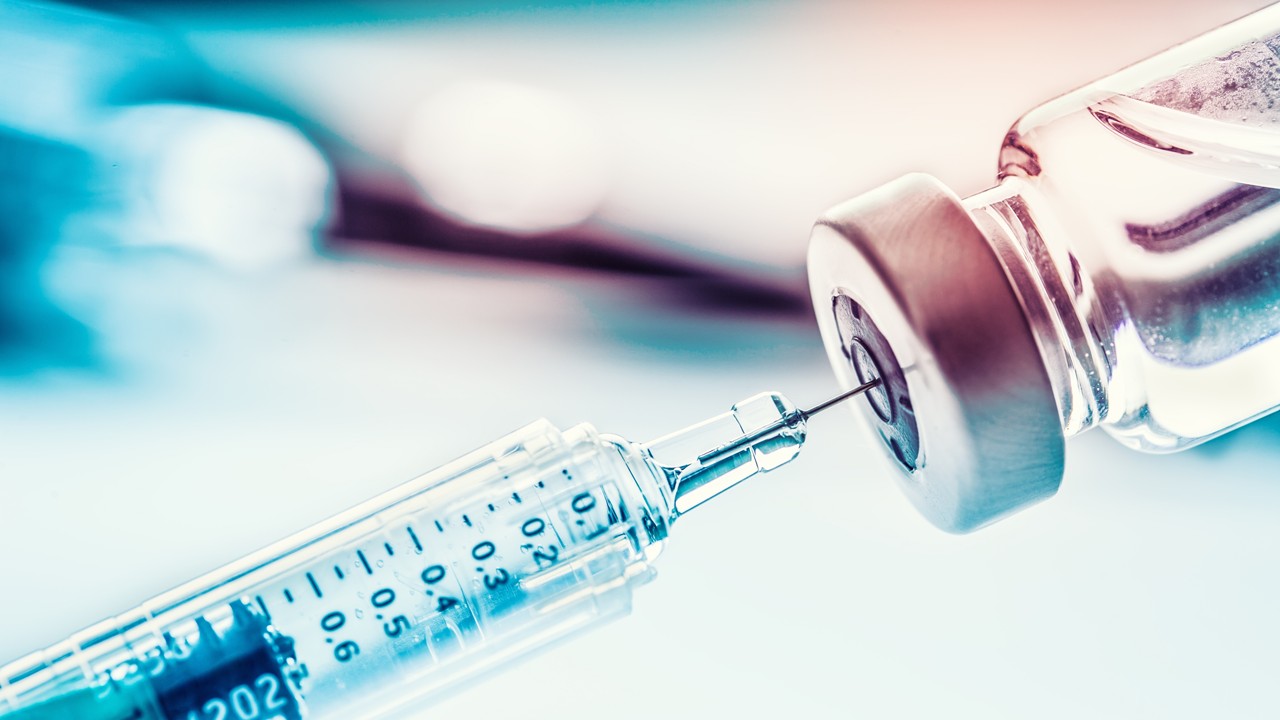
GST Exemption on Life Saving Drugs for 51 Dieseases rare diseases and disorders GST Exemption on Life Saving Drugs GST Exemption on Life Saving Drugs for 51 Dieseases rare diseases and disorders
GST Exemption on Life Saving Drugs
 Anisha Kumari
 Feb 11, 2025
Table of Contents

GST Exemption on Life Saving Drugs for 51 Dieseases
Relieving patients with rare diseases, the Government of India has come up with various schemes wherein it intends to reduce import duties and taxes on life-saving drugs and medicines. This measure principally deals with medicines meant for the treatment of rare diseases, thus providing much-needed relief support for patients and institutions working towards such treatments.
Import Duty and GST Exemptions
According to the Government's schemes, all types of drugs, medicines, and FSMP meant for the treatment of rare diseases are exempted from basic customs duty and IGST. Such exemption is available under the following circumstances: 1. Personal Use: Such life-saving drugs and medicines could be imported by individuals for their personal consumption without taking any customs duty or IGST. 2. For Institutes: Centres of Excellence or any person or institute so recommended by them, are eligible for these immunities. Secondly, in the Union Budget of 2025-26, it has taken one more step forward with regard to the reduction of cost burden on patients by introducing life-saving drugs and medicines for rare diseases.Procedure for Availing Exemptions
The Government has clearly articulated its procedure for availing these exemptions: 1. For Personal Imports: When importing drugs or medicines for personal use, the individual must submit a certified form from the Director General, Deputy Director General, or Assistant Director General of Health Services, New Delhi, or the Director of Health Services of the State Government. Alternatively, an acceptable undertaking can be given to the Deputy Commissioner or Assistant Commissioner of Customs that the certificate will be furnished within a specified period. Failure to comply with this requirement may result in the payment of applicable duties. 2. For Institutional Imports: In case of imports made by any institution, the drugs or medicines shall be accompanied by a recommendation from one of the Centres of Excellence. The recommendation shall certify that the beneficiary is suffering from a rare disease and needs such drugs or FSMP for treatment. Diseases Covered under GST Exemption The GST exemption applies to a variety of rare diseases and disorders, which include: 1. Lysosomal Storage Disorders (LSDs) 2. Adrenoleukodystrophy 3. Severe Combined Immunodeficiency (SCID) 4. Chronic Granulomatous Disease 5. Wiskot Aldrich Syndrome 6. Osteopetrosis 7. Fanconi Anemia 8. Laron's Syndrome 9. Tyrosinemia 10. Glycogen Storage Disorders (GSD) I, III, and IV due to poor metabolic control, multiple liver adenomas, or high risk for Hepatocellular carcinoma, or condition of substantial cirrhosis or liver dysfunction, or progressive liver failure 11. Maple Syrup Urine Disease (MSUD) 12. Urea Cycle Disorders 13. Organic Acidemias 14. Autosomal Recessive Polycystic Kidney Disease 15. Autosomal Dominant Polycystic Kidney Disease 16. Phenylketonuria (PKU) 17. Non-PKU Hyperphenylalaninemia Conditions 18. Homocystinuria 19. Urea Cycle Enzyme Defects 20. Glutaric Aciduria Type 1 and 2 21. Methyl Malonic Acidemia 22. Propionic Acidemia 23. Isovaleric Acidemia 24. Leucine Sensitive Hypoglycemia 25. Galactosemia 26. Glucose Galactose Malabsorption 27. Severe Food Protein Allergy 28. GH Deficiency 29. Prader-Willi Syndrome 30. Turner Syndrome 31. Noonan Syndrome 32. Acidemias, Mitochondrial Disorders 33. Acute Intermittent Porphyria 34. Wilson's Disease 35. Congenital Adrenal Hyperplasia 36. Neonatal Onset Multisystem Inflammatory Disease (NoMID) 37. Gaucher Disease Type I and III 38. Hurler Syndrome (Mucopolysaccharidosis Type I) 39. Hunter Syndrome (MPS II) 40. Pompe Disease 41. Fabry Disease 42. MPS IVA 43. MPS VI 44. Cystic Fibrosis 45. Duchenne Muscular Dystrophy 46. Spinal Muscular Atrophy 47. Wolman Disease 48. Hypophosphatasia 49. Neuronal Ceroid Lipofuscinosis 50. Hypophosphatic Rickets 51. A typical Hemolytic Uremic Syndrome This will make it easier for individuals with rare diseases to access treatments that can help them survive their diseases, easing the financial burden of importing medicines they need. This is another step forward the Government has made to ensure patients can access necessary medicines without their access being compromised by the expensive import duties and taxes.About Author


Anisha Kumari
Content Writer
Anisha is a finance content writer at StudyCafe, writing on domains like mutual funds, stock market trends, GST, income tax, and SIPs. With a knack for breaking down complex financial topics, Anisha delivers clear and insightful articles that keep readers informed and empowered. She can be reached at [email protected].
Anisha is a finance content writer at StudyCafe, writing on domains like mutual funds, stock market trends, GST, income tax, and SIPs. With a knack for breaking down complex financial topics, Anisha delivers clear and insightful articles that keep readers informed and empowered. She can be reached at [email protected].
 Studycafe
  Bokaro, Jharkhand, India
 321
321My Recent Articles
- AI Tools Catch Rs. 68 Lakh Capital Gains Tax Fraud in Hyderabad
- Bank of Baroda Chief Manager’s Suicide Raises Concerns Over Work Pressure
- CA in Trouble: ED Seizes Rs. 6.8 Cr Assets in ERDC Trust Fraud Case
- Gujarat Ambuja Exports Receives GST Demand Order of Rs. 33 Lakh
- GST AAR: Exchange of Silverscrap for finished ornaments Supply
Up Next
Loading suggestions…


Recent Posts


All Posts
Tags
No tags yet.
Recent Posts
All Posts
Tags
No tags yet.