GSTN Introduces Import of Goods Functionality in Invoice Management System:
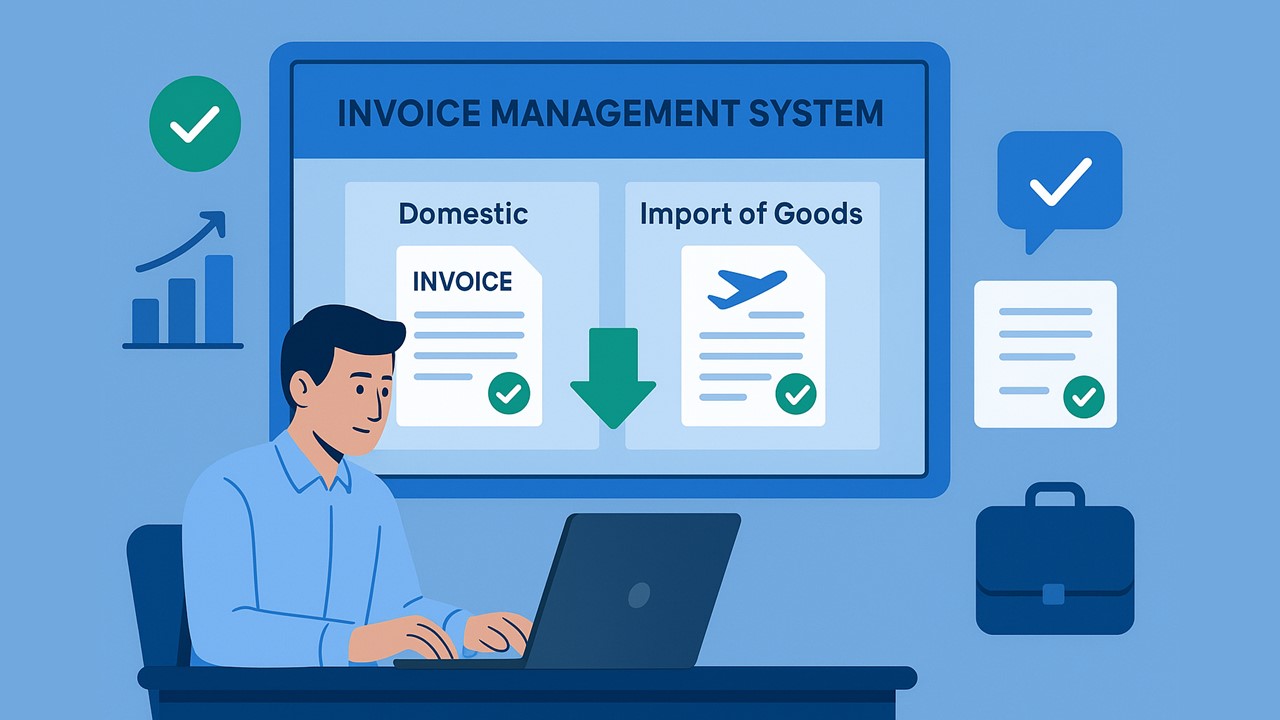
GSTN has enhanced IMS to include import data from Bills of Entry, enabling taxpayers to view and reconcile both domestic and import transactions seamlessly on GST portal.
New IMS Brings Import and Domestic Data Together
 Vanshika verma
 Nov 3, 2025
GSTN Introduces Import of Goods Functionality in Invoice Management System
The government introduced the Invoice Management System (IMS) on the GST portal for the October 2024 tax period. IMS is one of the major GST technology reforms.
This will allow taxpayers to efficiently view, track, and take action on the invoices uploaded by their suppliers through GSTR-1/1A/IFF, ensuring improved transparency and better reconciliation of Input Tax Credit (ITC).
What's New?
The Goods and Services Tax Network (GSTN) has now extended the IMS functionality to include "Import of Goods" details, which will give taxpayers a detailed view of both domestic and import-related transactions within the same system. A new section called "Import of Goods" has been launched in the IMS Dashboard on the GST portal.
This new feature incorporates data from Bills of Entry (BoE). BoE is the document filed by the importer with customs authorities when goods are imported into India directly into the IMS for review and verification.
Highlights of the New Functionality
The government has made it easier for taxpayers to manage import-related GST details. Now, the system will automatically pull import data called Bill of Entry (BoE) from the ICEGATE Customs system. This applies to goods imported from outside India as well as from Special Economic Zones (SEZs).
Taxpayers can view this data in the Import Management System (IMS) and choose to accept, reject, or keep pending each BoE record, just like they do for supplier invoices. These actions help ensure that the Input Tax Credit (ITC) on imported goods (IGST paid) is shown correctly and matches with records.If a taxpayer doesn’t take any action before the GSTR-2B is generated, the system will automatically mark those records as “deemed accepted.” This way, the data continues to flow even if someone forgets to review it.
Lastly, based on all these actions, the system will automatically generate the GSTR-2B report on the 14th of every month. This report now includes both domestic invoices and import transactions in one place which makes the process smoother and simpler to manage.
Advantages of Launching Import Data in IMS
Following are some advantages of launching import data in IMS:
- Adding import data to the IMS is a big help for businesses that buy both local and imported goods.
- One platform to see both local purchase invoices and import bills of entry.
- Helps match data between Customs and GST automatically.
- Shows correct Input Tax Credit (ITC) for IGST paid on imports.
- Cuts down on manual checking and mistakes.
- Makes compliance easier and improves transparency in import transactions.
About Author


Vanshika verma
Content Writer
Vanshika Verma is a Content Writer with 1+ year of experience at Studycafe.in. A B.Com graduate from Delhi University, She writes articles on Finance, Tax, ICAI, GST, and the latest financial news, with a focus on making complex topics easy for readers and professionals.
Vanshika Verma is a Content Writer with 1+ year of experience at Studycafe.in. A B.Com graduate from Delhi University, She writes articles on Finance, Tax, ICAI, GST, and the latest financial news, with a focus on making complex topics easy for readers and professionals.
 Studycafe
 Delhi, Delhi, India
 2033
2033My Recent Articles
- CBI Trap in J&K: Udhampur Fireman Arrested for Allegedly Demanding Bribe for Processing Fire and Emergency Services NOC
- Craftsman Automation Faces Rs 68.72 Lakh Tax Demand, Equal Penalty and Interest Over Alleged Excess ITC Availment
- ITAT Remands Rs 1.85 Crore Cash Deposit Dispute to CIT(A) for Fresh Adjudication After Assessee Claims Funds Were Converted From Euros Brought From Paris
- ITAT Grants Fresh Hearing to 61-Year-Old Cancer Patient, Sets Aside NFAC Order and Restores Income Tax Case to Assessing Officer
- IIFL Capital Services Receives MCX Penalty Order of Rs 2.05 Lakh Over Abnormal and Non-Genuine Client Trades
Up Next
Loading suggestions…


Recent Posts



All Posts
Tags
Recent Posts
All Posts