High Court: Uploading Notice on GST Portal Alone Not Effective Service:

HC quashes GST order ruling portal upload alone not effective notice when taxpayer unresponsive; remands case with directions
HC Quashes GST Assessment Passed Without Effective Notice
 Meetu Kumari
 Jul 30, 2025
High Court: Uploading Notice on GST Portal Alone Not Effective Service
The assessee, sole proprietor of Electricals Company, challenged an assessment order issued by the State Tax Officer for FY 2020-21. The petitioner contended that the show cause notice was uploaded only on the GST portal without furnishing a physical copy. His consultant, who handled GST compliance, failed to inform him, and consequently, no reply or representation was made. The petitioner argued that no personal hearing was granted and the order was passed ex parte, violating principles of natural justice.

During the hearing, the petitioner expressed readiness to deposit 25% of the disputed tax if the matter was remanded for reconsideration. The Government Advocate for the respondent conceded that the petitioner’s request could be considered in light of this voluntary undertaking.
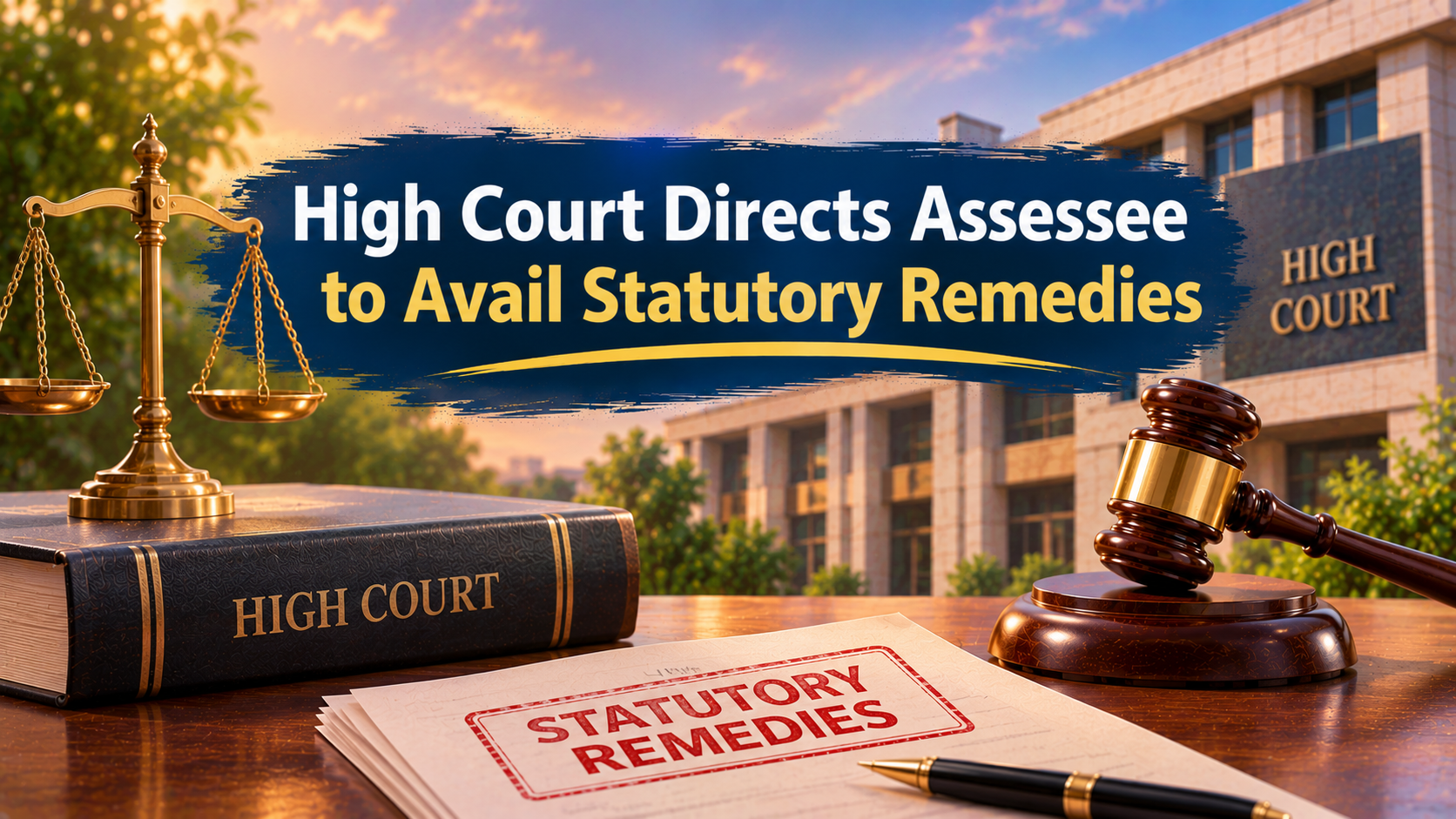
Main Issue: Whether uploading a show cause notice only on the GST portal, without exploring other statutory modes of service under Section 169 of the GST Act, when there is no taxpayer response, amounts to a violation of natural justice. HC's Decision: The Hon'ble High Court set aside the impugned order, holding that although uploading notices on the GST portal is legally valid, it must also amount to effective service. When a taxpayer does not respond to repeated portal uploads, the officer should explore other modes under Section 169(1) of the GST Act, preferably RPAD, to ensure actual receipt. Passing ex parte orders by completing “empty formalities” defeats the purpose of the law and leads to avoidable litigation.The Court remanded the case with instructions that the respondent must give a clear 14-day notice for a personal hearing, the petitioner must deposit 25% of the disputed tax within four weeks, and the petitioner must then file a reply with supporting documentation within two weeks. The officer was directed to pass a fresh order in accordance with law. The writ petition was disposed of in these terms, and connected miscellaneous petitions were closed.
To Read Full Judgment, Download PDF Given Below

About Author


Meetu Kumari
Content Manager
 Studycafe
 Jodhpur, Rajasthan, India
 2264
2264My Recent Articles
- ITAT Condones 302-Day Delay, Restores Salary Assessment for Fresh VerificationPremium
- ITAT Condones Delay After Tax Consultant's Death, Restores Appeals for Fresh HearingPremium
- ITAT Remands Salary Addition, Says Taxability Depends on Salary Becoming Due, Not Mere ReceiptPremium
- ITAT Deletes TP Royalty Adjustment, Orders Fresh Review of Commission BenchmarkingPremium
- ITAT Quashes Reassessment Over Unsigned Section 148 Notice Issued to AssesseePremium
Loading suggestions…


Recent Posts

All Posts

Recent Posts
All Posts