How to Get a GST Number for Small Business in India?:
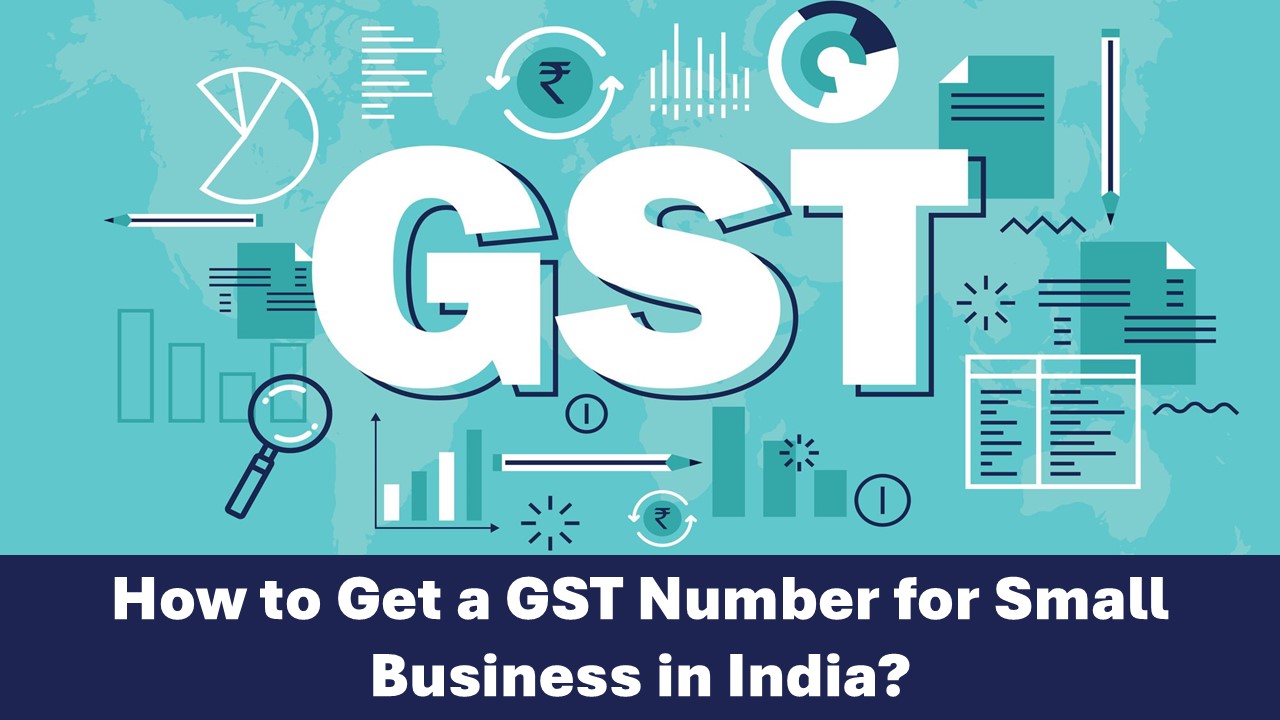
Learn how to register your small business for GST in India. Step-by-step guide to apply for a GSTIN online and get started legally.
Quick Guide to Getting GST Number in India
 Kavya Sethi
 May 14, 2025
Table of Contents

How to Get a GST Number for Small Business in India?
Goods and Services Tax (GST) has well organised the India’s indirect tax system by integrating various state and central taxes into a unified structure and keep it under the same umbrella. For small business owners, obtaining a GST number not only to ensures legal compliance but also boosts credibility among customers and suppliers. Whether you're a retailer, freelancer, manufacturer, or service provider, understanding how to obtain a GST number is vital to starting and running your business smoothly.
In this article, we’ll walk you through the process of GST registration, eligibility, benefits, and compliance requirements like GST return filing for small businesses in India.
What is a GST Number?
GST number, also refer as a GSTIN (Goods and Services Tax Identification Number), is a unique 15-digit alphanumeric code assigned to every registered taxpayer under the GST regime. This number is state-specific and PAN-based, and it is used for collecting and paying GST, filing returns, and availing input tax credit.Who Needs GST Registration?
As per the GST Act, GST registration is mandatory for:- Businesses with an annual turnover which is exceeding the limit of ₹40 lakhs (₹20 lakhs for special category states)
- Service providers with turnover above ₹20 lakhs (₹10 lakhs for special states)
- E-commerce sellers and aggregators
- Inter-state suppliers
- Casual taxable persons and non-resident taxable persons
- Input service distributors and agents of suppliers
- Anyone who wants to claim input tax credit or issue a GST-compliant invoice
Benefits of Getting a GST Number
Registering for GST offers numerous advantages for small business owners:- Legal Recognition: A GST number legally recognizes your business under Indian tax laws.
- Input Tax Credit (ITC): You can claim ITC on your purchases, reducing your tax liability.
- Easier Compliance: It simplifies tax filing under a unified tax structure.
- Business Expansion: Helps in inter-state trade without restrictions.
- Trust and Credibility: Improves business image among vendors, buyers and lenders and establish the transparency among them.
Step-by-Step Process to Get a GST Number in India
Here’s a detailed guide on how to register for GST online: Step 1: Visit the GST Portal Go to the official GST website: www.gst.gov.in Step 2: Click on ‘New Registration’ Under the ‘Services’ tab, select ‘Registration’ and click on ‘New Registration’. Step 3: Fill in the Details You will be asked to enter the following information:- Type of taxpayer (Regular, Casual, Non-resident, etc.)
- State and district.
- Legal name of the business which is mentioned (as per PAN)
- PAN number.
- Enter your Email Id, registered mobile number for the purpose of OTP verification.
- Business name and address
- Details of partners/promoters
- Business constitution (sole proprietorship, partnership, etc.)
- Bank account details
- Authorized signatory information
- PAN Card of the business or proprietor
- Aadhaar Card
- Proof of business registration (if applicable)
- Address proof of the business premises (electricity bill, rent agreement)
- Bank account statement or cancelled cheque
- Photograph of proprietor/partners
- Electronic Verification Code (EVC) sent to your mobile/email, or
- Digital Signature Certificate (DSC), or
- Aadhaar e-verification (OTP-based)
What to Do After Getting a GST Number?
- Display GST Number
- Start Charging GST
- Maintain Proper Records
Types of GST Returns for Small Businesses
- GSTR-1 – Details of outward supplies (monthly/quarterly)
- GSTR-3B – Summary of sales, ITC claimed, and net tax payable (monthly)
- GSTR-4 – For taxpayers under Composition Scheme (quarterly)
- GSTR-9 – Annual return (for turnover above ₹2 crore)
- GSTR-1: 11th of the following month (monthly) or end of the next month (quarterly)
- GSTR-3B: 20th of the following month.
- GSTR-4: 18th of the month following the quarter.
- GSTR-9: 31st December of the following financial year.
Common Mistakes to Avoid During GST Registration
- Using an incorrect PAN or business name
- Choosing the wrong type of registration
- Not uploading all required documents
- Delaying Aadhaar verification
- Using incorrect bank details
Composition Scheme for Small Businesses
If your turnover is below ₹1.5 crore, you can opt for the Composition Scheme, which allows you to pay tax at a flat rate with less compliance. However, under this scheme:- You cannot claim input tax credit
- You cannot issue tax invoices
- You must mention “composition taxable person” on all bills
Conclusion
Getting a GST number for your small business in India is a straightforward online process that brings long-term benefits such as legal recognition, tax input credit, and better market reach. After successful GST registration, timely GST return filing becomes an ongoing responsibility. By staying compliant with GST norms and regulations, small business owners can focus more on the business growth while avoiding unnecessary legal penalties and other legal complexities. If you're just starting out or looking to expand your business, don’t delay for applying your GST registration. It’s your gateway to running a transparent, scalable, and competitive business in India’s fast-evolving economy.About Author


Kavya Sethi
Content Manager
Kavya is an experienced content developer and Content Strategist with experience in a variety of domains including education and Recruitment. At studycafe.in she do check and and developes content for the Recruitment and Education News section also working on the board results and other entrance exams like CUET, NEET, JEE Main. She can be reached at [email protected]
Kavya is an experienced content developer and Content Strategist with experience in a variety of domains including education and Recruitment. At studycafe.in she do check and and developes content for the Recruitment and Education News section also working on the board results and other entrance exams like CUET, NEET, JEE Main. She can be reached at [email protected]
 Studycafe
 New Delhi, Delhi, India
 26
26My Recent Articles
- NIOS Class 10 Results 2025: NIOS Class 10 Results to be released soon at results.nios.ac.in, Know How to Download
- JAC Results 2025: JAC Class 12th Results To be Released Soon, Know How to Check and Other Details
- RRB NTPC Exam 2025: Revised Exam Dates OUT, Know Exam Schedule and Other Important Details
- University of Mumbai Admissions 2025: Last Date to Apply Extended, Know Last Date and Other Details
- Jharkhand Board Results 2025: Class 10 and 12 Results To be Released Soon, Know Expected Release Date
Up Next
Loading suggestions…


Recent Posts

All Posts

Tags
No tags yet.
Recent Posts
All Posts
Tags
No tags yet.