ITAT Delhi Upholds Fringe Benefit Tax on Employee Travel and Hospitality Expenses And Deletes Penalty:
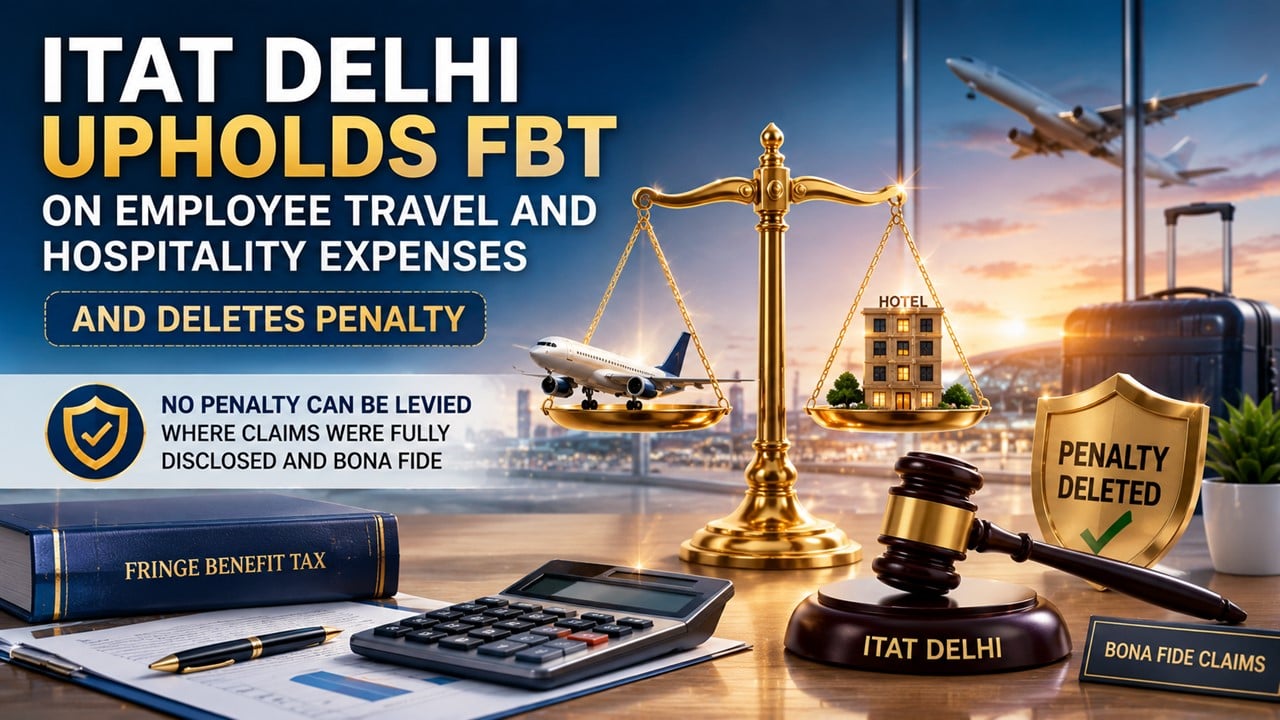
The ITAT Delhi has upheld the levy of Fringe Benefit Tax on various employee-related expenditures incurred by the assessee company including free or concessional air tickets, hospitality, conveyance, and hotel boarding expenses.
No Penalty Can Be Levied Where Claims Were Fully Disclosed and Bona Fide
 Saloni Kumari
 Jun 4, 2026
Premium
ITAT Delhi Upholds Fringe Benefit Tax on Employee Travel and Hospitality Expenses And Deletes Penalty
The ITAT Delhi has upheld the levy of Fringe Benefit Tax on various employee-related expenditures incurred by the assessee company including free or concessional air tickets, hospitality, conveyance, and hotel boarding expenses.
Also Read
Income Tax Department Conducts Searches at Prime Focus Offices Over Reported Foreign Remittances Ahead of Much-Awaited Ramayana ReleaseITAT Remits Rs.49.55 Lakh Agricultural Income Addition to CIT(A) ITAT Remands Rs 1.80 Crore Tax Dispute, Says Buyer’s Alleged Accommodation Entries Cannot Alone Trigger Section 68 AdditionITAT Remits Profit Estimation and Salary Disallowance Matter for Fresh Adjudication
About Author


Saloni Kumari
Content Writer
Saloni is a Content Writer with 2+ years of experience at studycafe.in. She writes legal, taxation, and finance related content including GST, Income Tax etc. Skilled in translating complex judicial pronouncements and regulatory developments into clear, and reader-friendly articles. Experienced in covering judgements of ITAT, High Court, GSTAT, and news related to Income Tax, GST, and corporate law. She can be reached at [email protected].
Saloni is a Content Writer with 2+ years of experience at studycafe.in. She writes legal, taxation, and finance related content including GST, Income Tax etc. Skilled in translating complex judicial pronouncements and regulatory developments into clear, and reader-friendly articles. Experienced in covering judgements of ITAT, High Court, GSTAT, and news related to Income Tax, GST, and corporate law. She can be reached at [email protected].
 StudyCafe
 Delhi, Delhi, India
 2879
2879My Recent Articles
- RBI Eases Foreign Exchange Compliance for Small Exporters and Freelancers
- GST Council Proposes Major Reforms in Registration, ITC, Refunds and Arrest Rules
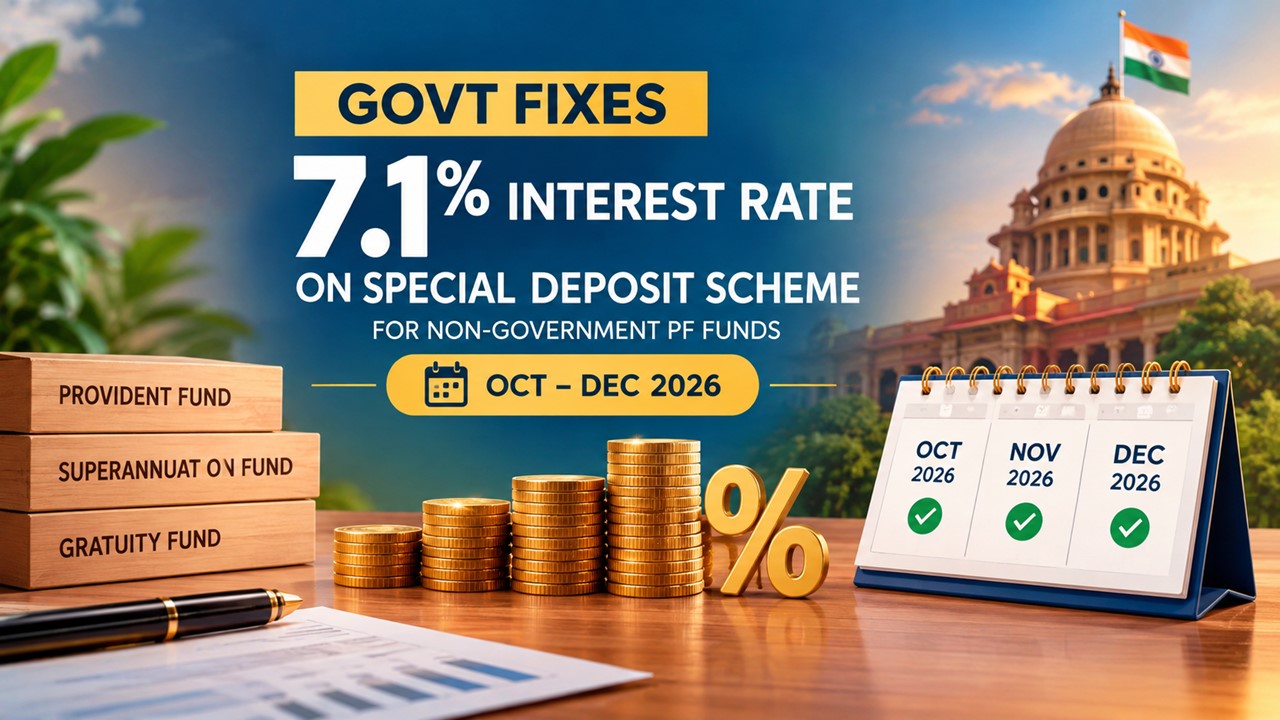
- Govt Fixes 7.1% Interest Rate on Special Deposit Scheme for Non-Government PF Funds From Oct to Dec 2026
- CBI Apprehends Principal of Eklavya Model Residential School, Nuapada, for Demanding Rs 20,000 Bribe
- RBI Announces Exclusion of Paytm Payments Bank Limited from Second Schedule of RBI Act, 1934
Up Next
Loading suggestions…


Recent Posts

All Posts
Recent Posts
All Posts