ITAT Rules No Fresh 143(2) Notice Needed After Section 263 Revision:
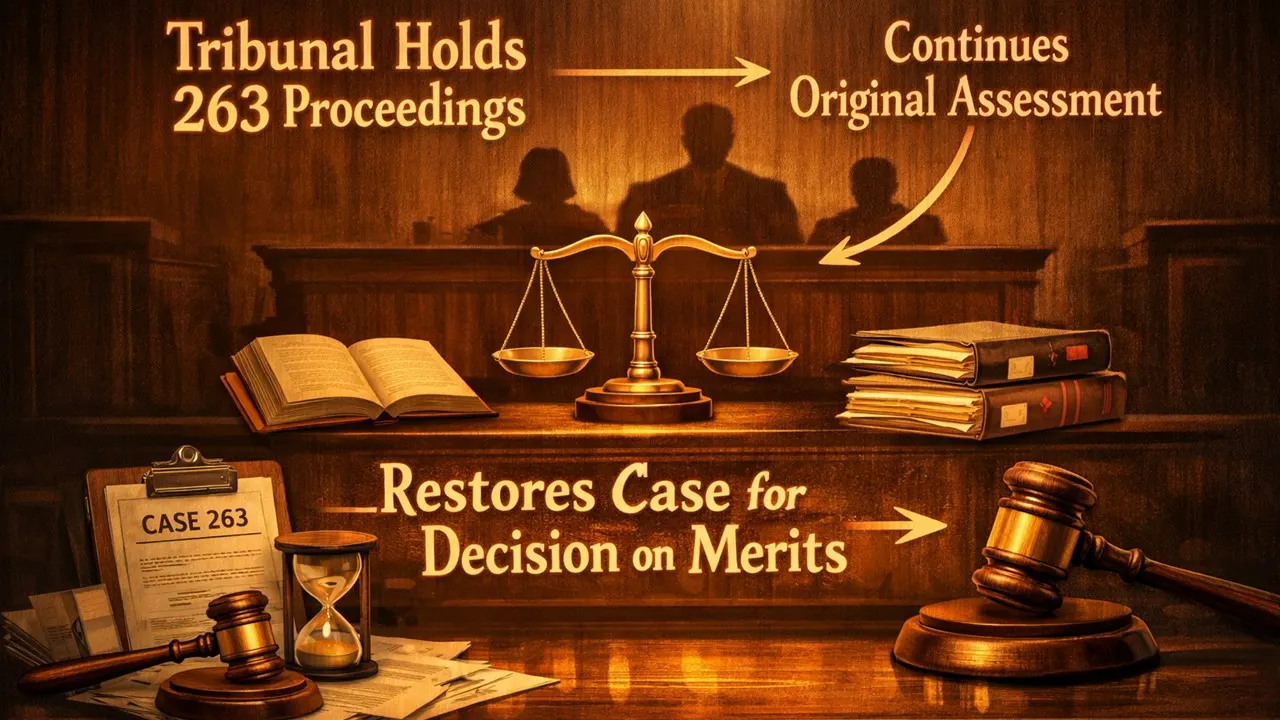
The tribunal holds Section 263 proceedings to continue the original assessment and restores the case for a decision on the merits.
No fresh notice needed when assessment follows Section 263 revision
 Meetu Kumari
 Apr 8, 2026
ITAT Rules No Fresh 143(2) Notice Needed After Section 263 Revision
The assessee, M/s. G Corp Pvt. Limited, engaged in real estate development, filed its return declaring a loss. The original assessment under Section 143(3) was completed, determining income after certain disallowances. Subsequently, the Principal Commissioner of Income Tax invoked revisionary powers under Section 263, holding that the assessment order was erroneous and prejudicial to the interests of revenue, particularly on the issue of taxation of the annual value of 1MG Mall as house property income.
Pursuant to the directions under Section 263, the Assessing Officer passed a fresh assessment order under Section 143(3) read with Section 263, making additions towards income from house property. The assessee challenged the order before CIT(A), contending that no notice under Section 143(2) was issued in the set-aside proceedings. Accepting this plea, CIT(A) quashed the assessment order relying on the Supreme Court ruling in Hotel Blue Moon. Aggrieved, the Revenue preferred an appeal before the Tribunal.
Issue Before Tribunal: Whether issuance of a fresh notice under Section 143(2) is mandatory when an assessment is framed pursuant to a revisionary order under Section 263 of the Income Tax Act, 1961.
Tribunal Decided: The Tribunal held that the issuance of notice under Section 143(2) is not mandatory when an assessment is made pursuant to an order under Section 263. It was observed that proceedings under Section 263 are in continuation of the original assessment proceedings, where a valid notice under Section 143(2) had already been issued.
The Tribunal clarified that in such cases, the Assessing Officer’s jurisdiction is confined to the specific issues identified in the revisionary order, and the process does not amount to a fresh or de novo assessment requiring a new notice under Section 143(2). It distinguished the Supreme Court’s ruling in Hotel Blue Moon as applicable to block assessments involving fresh returns, which was not the situation here. Accordingly, the Tribunal set aside the order of CIT(A) and restored the matter to its file for adjudication on the merits of the additions.
To Read Full Order, Download PDF Given Below
About Author


Meetu Kumari
Content Manager
Meetu Kumari is an Experienced Advocate and Content Writer with 4+ years of demonstrated history of working in the law practice industry. Skilled in Developing Content, Researching, and Drafting. Strong professional with a Bachelor of Science (B.Sc.) focused on Law from Gujarat National Law University.
Meetu Kumari is an Experienced Advocate and Content Writer with 4+ years of demonstrated history of working in the law practice industry. Skilled in Developing Content, Researching, and Drafting. Strong professional with a Bachelor of Science (B.Sc.) focused on Law from Gujarat National Law University.
 Studycafe
 Jodhpur, Rajasthan, India
 2264
2264My Recent Articles
- ITAT Condones 302-Day Delay, Restores Salary Assessment for Fresh VerificationPremium
- ITAT Condones Delay After Tax Consultant's Death, Restores Appeals for Fresh HearingPremium
- ITAT Remands Salary Addition, Says Taxability Depends on Salary Becoming Due, Not Mere ReceiptPremium
- ITAT Deletes TP Royalty Adjustment, Orders Fresh Review of Commission BenchmarkingPremium
- ITAT Quashes Reassessment Over Unsigned Section 148 Notice Issued to AssesseePremium
Up Next
Loading suggestions…


Recent Posts


All Posts


Recent Posts
All Posts