Kerala HC Allows Late SVLDRS Payment, Holds COVID Limitation Orders Extend Amnesty Scheme Deadline:
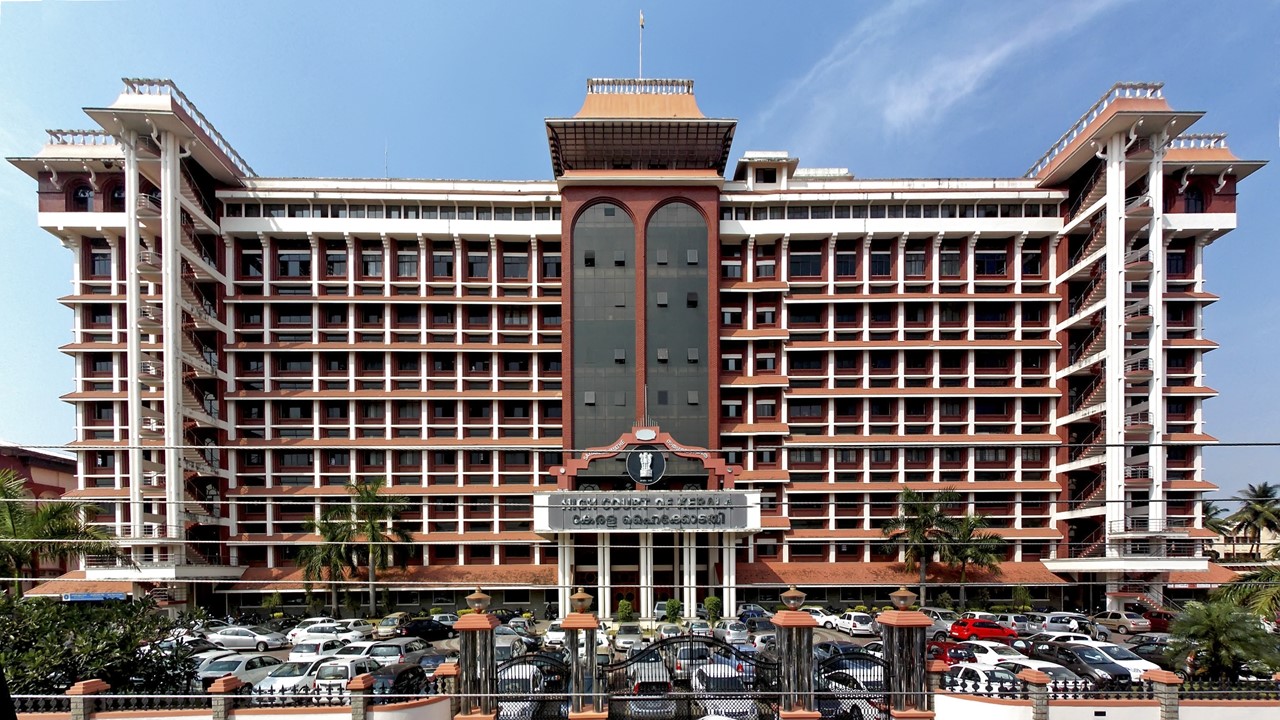
Court rules that SVLDRS proceedings are quasi-judicial, enabling taxpayers to rely on Supreme Court’s COVID-19 limitation extensions
High Court: SVLDRS Payments Made During COVID Limitation Extension Are Valid
 Meetu Kumari
 Dec 8, 2025
Kerala HC Allows Late SVLDRS Payment, Holds COVID Limitation Orders Extend Amnesty Scheme Deadline
P.P. Paul faced revenue recovery proceedings for service tax dues arising from earlier show cause notices and an order-in-original issued by the Central Excise authorities. When the Sabka Vishwas (Legacy Dispute Resolution) Scheme, 2019 (SVLDRS) came into force, he filed a declaration under Section 125, and the authorities determined his payable amount as Rs. 1,05,806 under Section 127(5). Though the scheme initially required payment within 30 days, the government extended the deadline up to 30.09.2020. The petitioner, however, remitted the amount only on 16.11.2020, and the department accepted the payment.
In June 2022, the Tahsildar issued a revenue recovery notice demanding Rs. 8,30,851 , the original liability. The petitioners objections were rejected, leading to this writ petition seeking protection under the amnesty scheme.
Main Issue: Whether the Supreme Court’s COVID-19 limitation extension orders apply to SVLDRS proceedings, thereby validating a payment made after the scheme’s statutory deadline but within the extended limitation period.
HC's Decision: The Court examined whether proceedings under SVLDRS were administrative, as contended by the Revenue, or quasi-judicial. It analyzed the scheme provisions, Sections 125 to 127 of the Finance Act, 2019 and Rules 6 to 9, and held that the designated committee must verify declarations, cross-check departmental records, estimate liability, offer a personal hearing, and issue a reasoned determination. The Court concluded that SVLDRS proceedings are quasi-judicial, not administrative.
The proceedings fell within the scope of the Supreme Court’s COVID-19 limitation extension orders. The petitioner’s payment on 16.11.2020 occurred during the extended limitation window. The Court therefore held that the payment must be treated as a valid settlement under SVLDRS. The Court quashed the recovery notice and rejection order and directed the authorities to issue the discharge certificate in Form SVLDRS-4 within two months.
To Read Full Judgment, Download PDF Given Below
About Author


Meetu Kumari
Content Manager
Meetu Kumari is an Experienced Advocate and Content Writer with 4+ years of demonstrated history of working in the law practice industry. Skilled in Developing Content, Researching, and Drafting. Strong professional with a Bachelor of Science (B.Sc.) focused on Law from Gujarat National Law University.
Meetu Kumari is an Experienced Advocate and Content Writer with 4+ years of demonstrated history of working in the law practice industry. Skilled in Developing Content, Researching, and Drafting. Strong professional with a Bachelor of Science (B.Sc.) focused on Law from Gujarat National Law University.
 Studycafe
 Jodhpur, Rajasthan, India
 2264
2264My Recent Articles
- ITAT Condones 302-Day Delay, Restores Salary Assessment for Fresh VerificationPremium
- ITAT Condones Delay After Tax Consultant's Death, Restores Appeals for Fresh HearingPremium
- ITAT Remands Salary Addition, Says Taxability Depends on Salary Becoming Due, Not Mere ReceiptPremium
- ITAT Deletes TP Royalty Adjustment, Orders Fresh Review of Commission BenchmarkingPremium
- ITAT Quashes Reassessment Over Unsigned Section 148 Notice Issued to AssesseePremium
Up Next
Loading suggestions…


Recent Posts
All Posts
Recent Posts
All Posts