No GST on Compensation Paid for Breach of Contract:
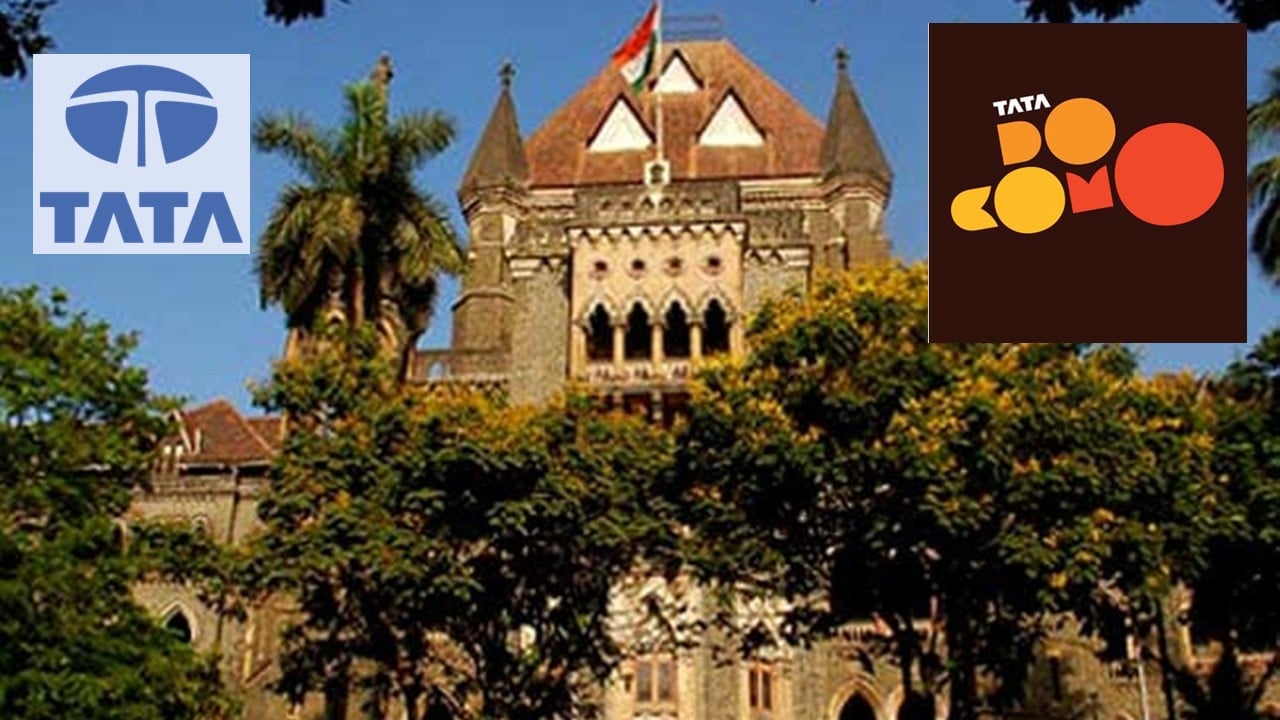
High Court clarifies damages cannot be treated as consideration for tolerating breach under GST provisions.
Compensation for breach not treated as consideration for supply.
 Meetu Kumari
 May 1, 2026
No GST on Compensation Paid for Breach of Contract
The dispute arose from a shareholders' agreement dated 25 March 2009 between Tata Sons Pvt. Ltd. and NTT Docomo Inc. Upon failure to meet agreed performance benchmarks, disputes were referred to arbitration in London, where the arbitral tribunal awarded substantial damages to Docomo for breach of contract. Docomo initiated enforcement proceedings across multiple jurisdictions, including India, the UK, and the USA.
Subsequently, both parties entered into consent terms before the High Court, which treated the arbitral award as a deemed decree. Tata discharged its liability by paying ₹8,450 crores to Docomo. However, the Directorate General of GST Intelligence issued a show cause notice alleging that the payment attracted IGST of Rs 1,524 crores, treating Docomo’s withdrawal of legal proceedings and alleged “toleration” of breach as a taxable supply under the GST law.
Central Issue: Whether payment of damages pursuant to an arbitral award and settlement constitutes a “supply” under Section 7 of the CGST Act, specifically as a service of “tolerating an act” under Entry 5(e) of Schedule II?
HC Decided: The High Court held that the payment made by Tata Sons to Docomo was purely compensatory in nature and arose from a decretal obligation, not from any independent agreement to tolerate a breach. It was observed that once an arbitral award is enforced as a decree, payment towards such liability is merely the discharge of a legal obligation and cannot be treated as consideration for any supply.
The Court rejected the Revenue’s argument that the temporary suspension of litigation amounted to a separate service. It clarified that cessation of legal proceedings is a natural consequence of settlement and not a standalone contractual service. Further, Docomo had consistently pursued legal remedies, negating any claim that it had agreed to “tolerate” the breach. The Court also relied on CBIC circulars clarifying that payments made purely as damages for breach of contract do not qualify as taxable consideration. Holding these circulars binding on the department, the Court concluded that such payments are merely a flow of money and fall outside the scope of GST. Thus, the demand for IGST was set aside.
To Read Full Judgment, Download PDF Given Below.
About Author


Meetu Kumari
Content Manager
Meetu Kumari is an Experienced Advocate and Content Writer with 4+ years of demonstrated history of working in the law practice industry. Skilled in Developing Content, Researching, and Drafting. Strong professional with a Bachelor of Science (B.Sc.) focused on Law from Gujarat National Law University.
Meetu Kumari is an Experienced Advocate and Content Writer with 4+ years of demonstrated history of working in the law practice industry. Skilled in Developing Content, Researching, and Drafting. Strong professional with a Bachelor of Science (B.Sc.) focused on Law from Gujarat National Law University.
 Studycafe
 Jodhpur, Rajasthan, India
 2264
2264My Recent Articles
- ITAT Condones 302-Day Delay, Restores Salary Assessment for Fresh VerificationPremium
- ITAT Condones Delay After Tax Consultant's Death, Restores Appeals for Fresh HearingPremium
- ITAT Remands Salary Addition, Says Taxability Depends on Salary Becoming Due, Not Mere ReceiptPremium
- ITAT Deletes TP Royalty Adjustment, Orders Fresh Review of Commission BenchmarkingPremium
- ITAT Quashes Reassessment Over Unsigned Section 148 Notice Issued to AssesseePremium
Up Next
Loading suggestions…


Recent Posts
All Posts

Recent Posts
All Posts