NPS & Deductions: Zero Tax on Rs. 13.7 Lakh?:
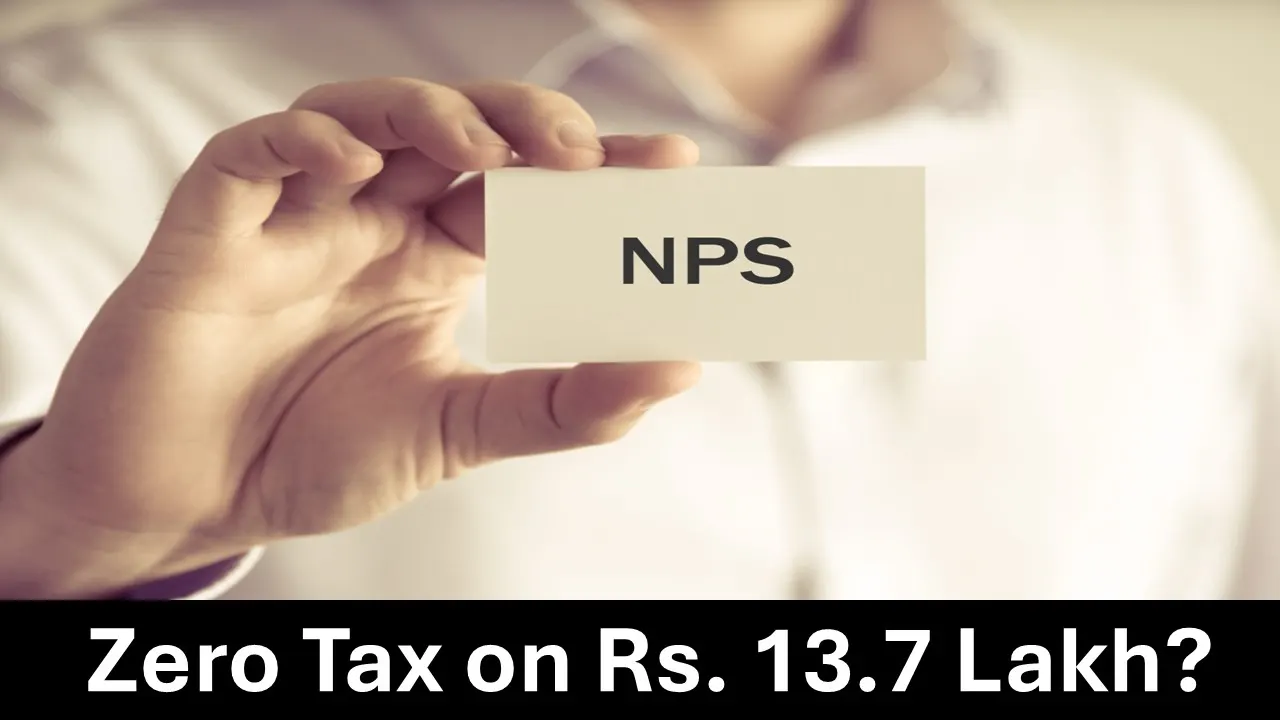
Finance Minister Nirmala Sitharaman Said in the Budget speech that individuals who earn up to Rs. 12 lakh now do not have to pay Income Tax. But for salaried taxpayers, the tax limit is a little higher
Zero Tax on Rs. 13.7 Lakh
 Shivani Verma
 Feb 4, 2025
NPS & Deductions: Zero Tax on Rs. 13.7 Lakh?
Finance Minister Nirmala Sitharaman Said in the Budget speech that individuals who earn up to Rs. 12 lakh now do not have to pay Income Tax. But for salaried taxpayers, the tax limit is a little higher at Rs. 12.75 lakh because they get a standard deduction of Rs. 75,000. Because of this reason, salaried individuals can legally earn up to Rs. 13.7 lakh without paying taxes by making use of the NPS. The NPS offers a tax deduction of amounts to Rs. 14% of the basic salary, which is better than the old tax system that allows only a 10% deduction.
For example, if a salaried person's total income is Rs. 13.7 lakh, in which the basic salary is Rs. 6.85 lakh can contribute Rs. 95,900 to the NPS.
The NPS provides great tax benefits, but it also has some challenges that might put off potential investors. One main issue is the long lock-in period and limits on withdrawals. You can only withdraw before retirement in special cases, and after the plan matures, you can only take out 60% of the total amount. The remaining 40% must be used to buy an annuity, which will provide a pension for life.
Many investors might find these limitations in the funds unappealing because they limit access to their money. Financial experts believe in the long run that these limits can be helpful.
NPS offers extra benefits like choosing your asset mix, switching between funds, and changing pension fund managers without paying any taxes. The NPS has consistently outperformed mutual funds in similar categories, mainly because it has the lowest fund management fees in the industry. This makes it a more cost-effective option for investors.
| Basic Salary | 6,85,000 |
| NPS Employer share | 9,59,00 |
| Other Salary components | 5,89,100 |
| Total Salary | 13,70,000 |
| Less: Standard Deduction | 75,000 |
| Less: NPS | 95,900 |
| Taxable Salary | 11,99,100 |
About Author


Shivani Verma
Digital Marketing executive
 StudyCafe
 Delhi, Delhi, India
 142
142My Recent Articles
- ROC imposes Penalty of more than Rs. 10 Lakh for Late filing of BEN 4 and BEN 1
- Correct Errors in Your AY 2023-24 Tax Return, Income Tax Portal Now Accepting Requests
- Secure Your Shares and Mutual Fund Documents in DigiLocker: A Step-by-Step Guide
- 3 Equity Mutual Funds Delivered Positive Returns in 6 Months
- Income Tax Changes from April 1: What You Need to Know
Up Next
Loading suggestions…


Recent Posts


All Posts


Tags
No tags yet.
Recent Posts
All Posts
Tags
No tags yet.