One SCN or Composite Assessment Order Invalid for Multiple Tax Periods or Years: High Court:
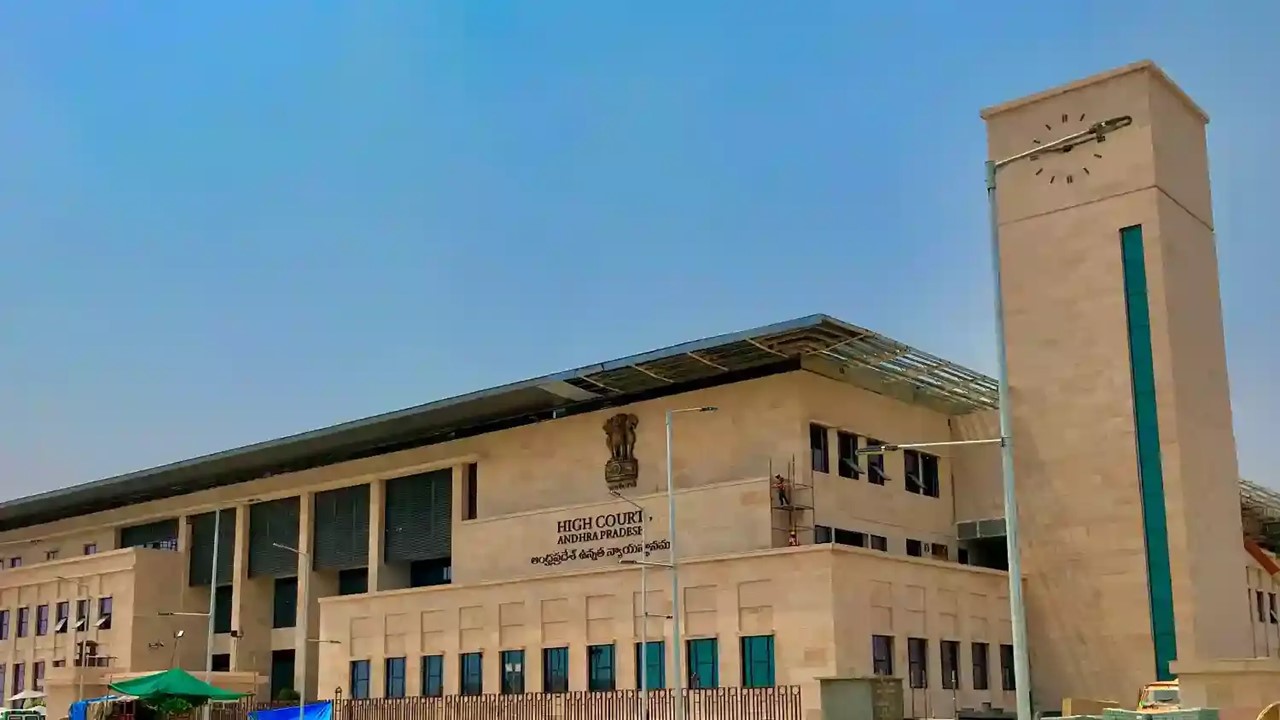
The High Court quashed a GST composite assessment covering multiple years as invalid and ordered reassessment with conditions.
High Court Rejects Multi-Year Composite Assessment
 Vanshika verma
 May 2, 2026
One SCN or Composite Assessment Order Invalid for Multiple Tax Periods or Years: High Court
The High Court quashed a composite GST assessment covering multiple years as invalid under Sections 73/74, but allowed reassessment subject to 20% tax deposit and protection from coercive recovery.
The petitioner, M/s Vasavi Rice Traders, filed a writ petition in the Andhra Pradesh High Court challenging certain GST-related actions taken by tax authorities.
Backstory
The tax department had issued an assessment order dated 18.10.2024 covering multiple financial years (from 2017-2018 to 2022-2023). The petitioner also challenged related notices, including a tax demand, penalty, interest, late fees, and an attachment notice for recovery of dues.
The petitioner argued that the law under Sections 73 and 74 of the GST Act does not allow the department to pass one combined assessment order for multiple financial years.
The High Court referred to an earlier decision of the same court, which had already clarified this issue. That earlier ruling held that a single show-cause notice or a single assessment order cannot cover multiple tax periods or multiple years together, especially when annual returns are already due.
Based mainly on this legal issue, the Court agreed with the petitioner. However, the Court imposed a condition that the petitioner must first pay 20% of the disputed tax amount.
The Court also said that any coercive recovery actions taken against the petitioner, such as attachment of property, will be cancelled. It further directed that the time between the original assessment order and the High Court's order will not be counted for limitation purposes.
As a result, the Court set aside the assessment order and sent the matter back to the tax authorities.
About Author


Vanshika verma
Content Writer
Vanshika Verma is a Content Writer with 1+ year of experience at Studycafe.in. A B.Com graduate from Delhi University, She writes articles on Finance, Tax, ICAI, GST, and the latest financial news, with a focus on making complex topics easy for readers and professionals.
Vanshika Verma is a Content Writer with 1+ year of experience at Studycafe.in. A B.Com graduate from Delhi University, She writes articles on Finance, Tax, ICAI, GST, and the latest financial news, with a focus on making complex topics easy for readers and professionals.
 Studycafe
 Delhi, Delhi, India
 2048
2048My Recent Articles
- Income Tax Officials Conduct Survey at Maharajganj Municipal Cooperative Bank, Examine Large Accounts, Loans and Suspicious Transactions
- GST Council Meeting Today: Centre May Consider Changes to Arrest Powers, ITC Protection, Refund Processing and GST Registration Rules
- Max Estates Receives Rs 2.59 Crore GST Show Cause Notice From UP Tax Department Over FY23 Return and Reconciliation Issues
- CBI Arrests Chandigarh MC Sanitary Inspector for Allegedly Demanding Rs 14 Lakh Bribe to Clear Contractor’s Pending and Future Bills
- MRF Gets Major Tax Relief as Kerala Authority Slashes Sales Tax Demand from Rs 91.53 Crore to Rs 36.19 Crore
Up Next
Loading suggestions…


Recent Posts

All Posts
Recent Posts
All Posts