RBI Makes Online Transfers Free by Removing Charges on NEFT, RTGS
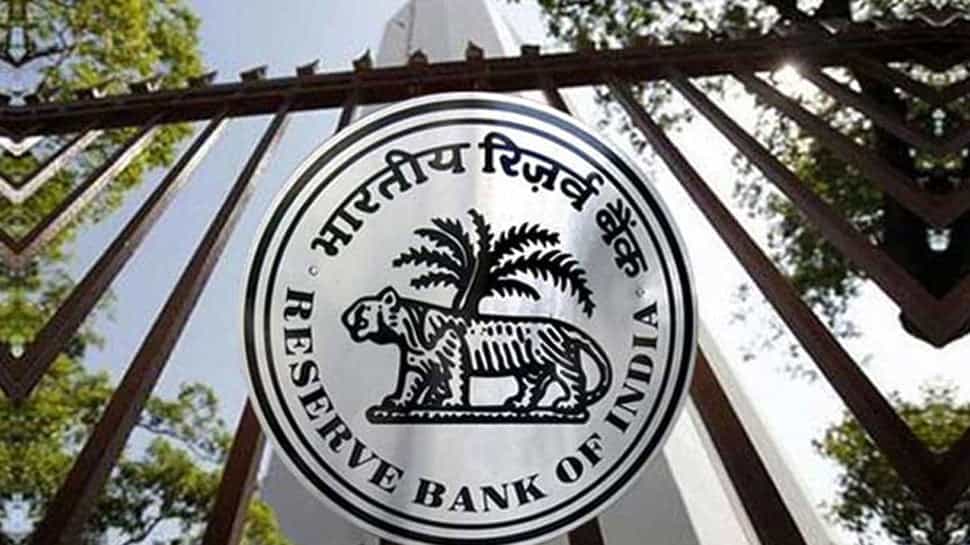
RBI Makes Online Transfers Free by Removing Charges on NEFT, RTGS Reserve Bank of India (RBI) in its bi-monthly meet of the Monetary Policy
 CA Pratibha Goyal
 Jun 6, 2019
RBI Makes Online Transfers Free by Removing Charges on NEFT, RTGS
Reserve Bank of India (RBI) in its bi-monthly meet of the Monetary Policy Committee (MPC) on Thrusday, decided to remove all charges levied on Real Time Gross Settlement System (RTGS) and National Electronic Funds Transfer (NEFT) System.
The Reserve Bank levies minimum charges on banks for transactions routed through its Real Time Gross Settlement System (RTGS) meant for large-value instantaneous fund transfers and the National Electronic Funds Transfer (NEFT) System for other fund transfers. Banks, in turn, levy charges on their customers. In order to provide an impetus to digital funds movement, it has been decided to do away with the charges levied by the Reserve Bank for transactions processed in the RTGS and NEFT systems.
RTGS is a payments system in which transactions - or wire transfers - are processed continuously throughout applicable business hours. On the other hand, in case of NEFT or national electronic funds transfer, the transactions are received up to a particular time are processed in batches. RTGS is meant for transactions of Rs. 2 lakh and above. It enables instant transfer of funds as per applicable timings.
Below are SBI's RTGS charges:


The above charges are applicable as per transaction basis and attracts Goods and Services Tax (GST) at the rate of 18 percent.
NEFT is a payment system facilitating funds transfers from one bank account to another. One can access this service either by using Internet banking or by visiting the bank branch. (Not all bank branches are enabled with this service.)
Once you initiate the transfer, the money reaches the beneficiary account within hours. There is no limit on the minimum or maximum amount you can transfer, however, individual banks may put restrictions on the per transaction amount.
Currently NEFT charges of the State Bank of India (SBI) are as follows:
Country's largest bank SBI charges between Re 1 and Rs 5 for transactions through NEFT and between Rs 5 and Rs 50 forRTGSroute.
In its statement on developmental andregulatory policiesafter the Monetary Policy Committee's meeting, theRBIsaid it levies minimum charges on banks for transactions routed throughRTGSandNEFT systemfor other fund transfers.
Banks, in turn, levy charges on their customers.
In order to provide an impetus to digital funds movement, it has been decided to do away with the charges levied by theRBIfor transactions processed in the RTGS and NEFT systems, it said.
"Banks will be required, in turn, to pass these benefits to their customers. Instructions to banks in this regard will be issued within a week," the central bank said.
Meanwhile, theRBIhas decided to set up a committee to review the charges levied on the use to ATMs as the usage by the public has been growing significantly.
"There have, however, been persistent demands to change the ATM charges and fees," the RBI noted.
In order to address these, it has been decided to set up a committee involving all stakeholders, under the chairmanship of the Chief Executive Officer, Indian Banks' Association (IBA), to examine the entire gamut of ATM charges and fees.
The Committee is expected to submit its recommendations within two months of its first meeting, RBI Governor Shaktikanta Das told reporters here. The composition and terms of reference of the committee will be issued within a week, the central bank said.
About Author


CA Pratibha Goyal
Co Founder
CA Pratibha Goyal is Chartered Accountant qualified in 2016, is a Member of The Institute of Chartered Accountants of India having wide experience in the field of Auditing, Taxation, ROC, GST and Secretarial matters etc.
She has written over a thousand articles & has made several videos on topics related to Auditing & Taxation. As a Speaker she has delivered various sessions on various branches of NIRC of ICAI.
CA Pratibha Goyal is Chartered Accountant qualified in 2016, is a Member of The Institute of Chartered Accountants of India having wide experience in the field of Auditing, Taxation, ROC, GST and Secretarial matters etc.
She has written over a thousand articles & has made several videos on topics related to Auditing & Taxation. As a Speaker she has delivered various sessions on various branches of NIRC of ICAI.
 Studycafe
 New Delhi, Delhi, India
 1486
1486My Recent Articles
- Biggest Labour Reform in Indian History: 4 Labour Codes Effective from today
- Tax Audit and ITR Due date not extended in this case: Know More
- Government notifies Agreement and Protocol between India and Qatar [Read Notification]
- CA Breaking: Results of ICAI Examination to be announced soon, Know probable Date
- Breaking: GSTR-3B Due Date for September 2025 extended by CBIC amid Diwali Festivities
Up Next
Loading suggestions…


Recent Posts

All Posts


Tags
No tags yet.
Recent Posts
All Posts
Tags
No tags yet.