Supreme Court: Company Buying Business Software for Commercial Purpose, Not Consumer Use, cannot file for Consumer Disputes:
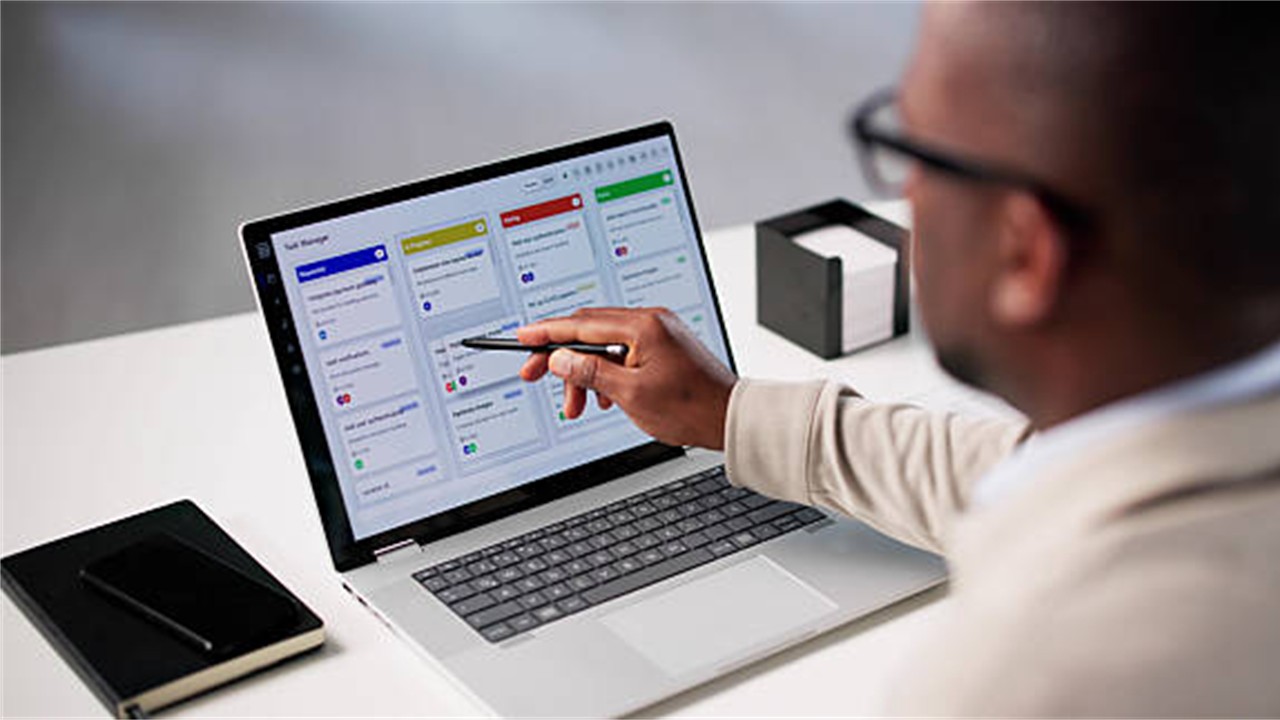
Supreme Court held that a company automating its operations through software is not a “consumer” under the Consumer Protection Act
SC: Company Buying Software for Business Automation Not a Consumer Under CPA
 Meetu Kumari
 Nov 14, 2025
Supreme Court: Company Buying Business Software for Commercial Purpose, Not Consumer Use, cannot file for Consumer Disputes
Poly Medicure Ltd., a medical devices company engaged in import and export operations, purchased a licensed software product called “Brillio Opti Suite” from Brillio Technologies to streamline its export-import documentation system. After payment, the company claimed the software malfunctioned and filed a complaint before the Delhi State Consumer Commission alleging deficiency in service and seeking refund of licence and development costs with interest.
Brillio Technologies contested the complaint, arguing that Poly Medicure purchased the software for commercial use, not personal or livelihood-based self-employment, and therefore could not qualify as a consumer under Section 2(1)(d) of the Consumer Protection Act, 1986. The State Commission upheld this objection and dismissed the complaint; the National Consumer Disputes Redressal Commission affirmed the order. Poly Medicure appealed to the Supreme Court.
Main Issue: Whether a company purchasing software to automate and support its business operations qualifies as a “consumer” under Section 2(1)(d) of the Consumer Protection Act, 1986.
SC Held: The Supreme Court upheld the findings of the State and National Commissions, ruling that Poly Medicure is not a consumer under Section 2(1)(d). The Court held that the software was acquired to automate and enhance the company’s commercial processes, including export documentation, tracking consignments, managing duty drawback, credit handling, foreign exchange coverage, and other profit-linked business functions.
Since the transaction had a direct nexus with the company's profit-generating activities, it constituted a commercial purpose, taking it outside the scope of consumer protection. The Court emphasised that the “self-employment” exception in the Explanation to Section 2(1)(d) applies only to individuals earning livelihood through personal use, not to incorporated commercial enterprises.
Hence, the appeal was dismissed with no order as to costs.
To Read Full Judgment, Download PDF Given Below
About Author


Meetu Kumari
Content Manager
Meetu Kumari is an Experienced Advocate and Content Writer with 4+ years of demonstrated history of working in the law practice industry. Skilled in Developing Content, Researching, and Drafting. Strong professional with a Bachelor of Science (B.Sc.) focused on Law from Gujarat National Law University.
Meetu Kumari is an Experienced Advocate and Content Writer with 4+ years of demonstrated history of working in the law practice industry. Skilled in Developing Content, Researching, and Drafting. Strong professional with a Bachelor of Science (B.Sc.) focused on Law from Gujarat National Law University.
 Studycafe
 Jodhpur, Rajasthan, India
 2264
2264My Recent Articles
- ITAT Condones 302-Day Delay, Restores Salary Assessment for Fresh VerificationPremium
- ITAT Condones Delay After Tax Consultant's Death, Restores Appeals for Fresh HearingPremium
- ITAT Remands Salary Addition, Says Taxability Depends on Salary Becoming Due, Not Mere ReceiptPremium
- ITAT Deletes TP Royalty Adjustment, Orders Fresh Review of Commission BenchmarkingPremium
- ITAT Quashes Reassessment Over Unsigned Section 148 Notice Issued to AssesseePremium
Up Next
Loading suggestions…


Recent Posts
All Posts

Recent Posts
All Posts