Tax Evasion Turn Deadly Risk In Greater Noida as Sleeper Buses Carry Commercial Goods Alongside Passengers:
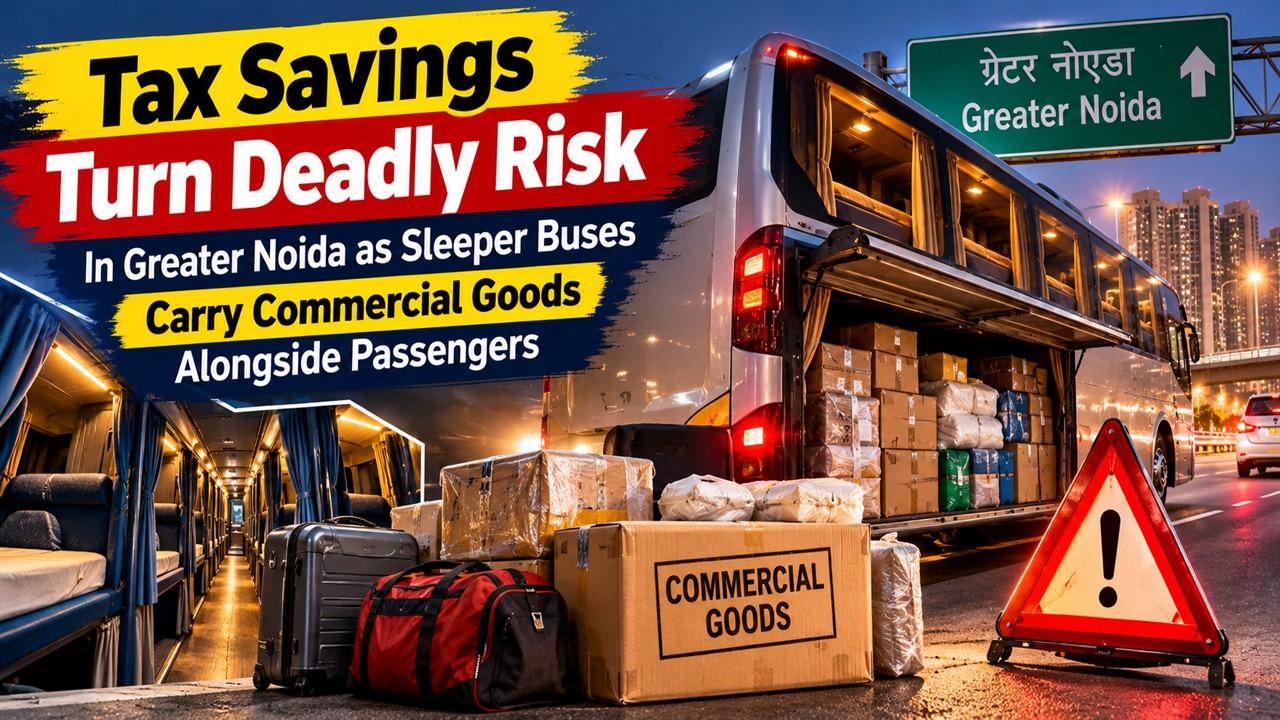
Sleeper buses continue carrying commercial goods alongside passengers, raising fresh safety concerns despite recent inspections and a deadly bus fire.
Operation Kavach Ends, But Sleeper Buses Return to Risky Practices
 Vanshika verma
 Oct 7, 2026
Table of Contents

The practice of carrying large quantities of goods in double-decker sleeper buses to save taxes and transport costs is putting passengers’ lives at risk. After nine passengers were killed in a horrific bus fire on the Yamuna Expressway in Jewar, the High Court and the Supreme Court took notice of the issue, prompting the administration to take action.
From September 28 to 30, the authorities launched Operation Kavach 2.0 to inspect sleeper buses. The campaign focused on checking bus fitness, permits, firefighting equipment, emergency exits and the illegal transportation of commercial goods along with passengers.

However, the situation appears to have returned to normal soon after the three-day campaign ended. On Tuesday, another double-decker sleeper bus caught fire on the Noida-Greater Noida Expressway. The bus was carrying around 35 passengers along with a large quantity of luggage. Fortunately, the driver acted quickly and all passengers were evacuated safely.
Action only for a few days
After the September 24 accident on the Yamuna Expressway, in which nine passengers were burnt alive, authorities took action against sleeper buses that were allegedly operating in violation of safety rules. According to sources, many bus operators stopped running their buses during the inspection drive and parked them on the roadside.
But once the campaign ended and the situation became quieter, the buses reportedly returned to the roads in the same condition.

The main concern is the transportation of commercial goods in passenger sleeper buses. Bus operators allegedly use these buses to transport goods because it can help them save on taxes and transportation costs. This may provide additional income to operators, but carrying large or potentially flammable goods can become extremely dangerous during a fire or other emergency.
What was achieved by the three-day drive?
The latest bus fire has raised questions about the effectiveness of short-term campaigns. If commercial goods are still being carried in sleeper buses despite the deaths of nine passengers, court intervention and Operation Kavach 2.0, then questions remain over what was actually achieved by the three-day inspection drive.
Launching a campaign only after a major accident cannot permanently solve the problem. Regular inspections and strict enforcement are needed to ensure that bus operators follow safety rules at all times.
Authorities must regularly check the fitness of buses, firefighting equipment, permits and emergency exits. They must also ensure that commercial goods are not packed into passenger areas or placed near emergency exits.
Saving taxes and transportation costs cannot come at the cost of passengers' lives. What is needed is continuous monitoring and strict action, not temporary campaigns after every major accident.
About Author


Vanshika verma
Content Writer
 Studycafe
 Delhi, Delhi, India
 2039
2039My Recent Articles
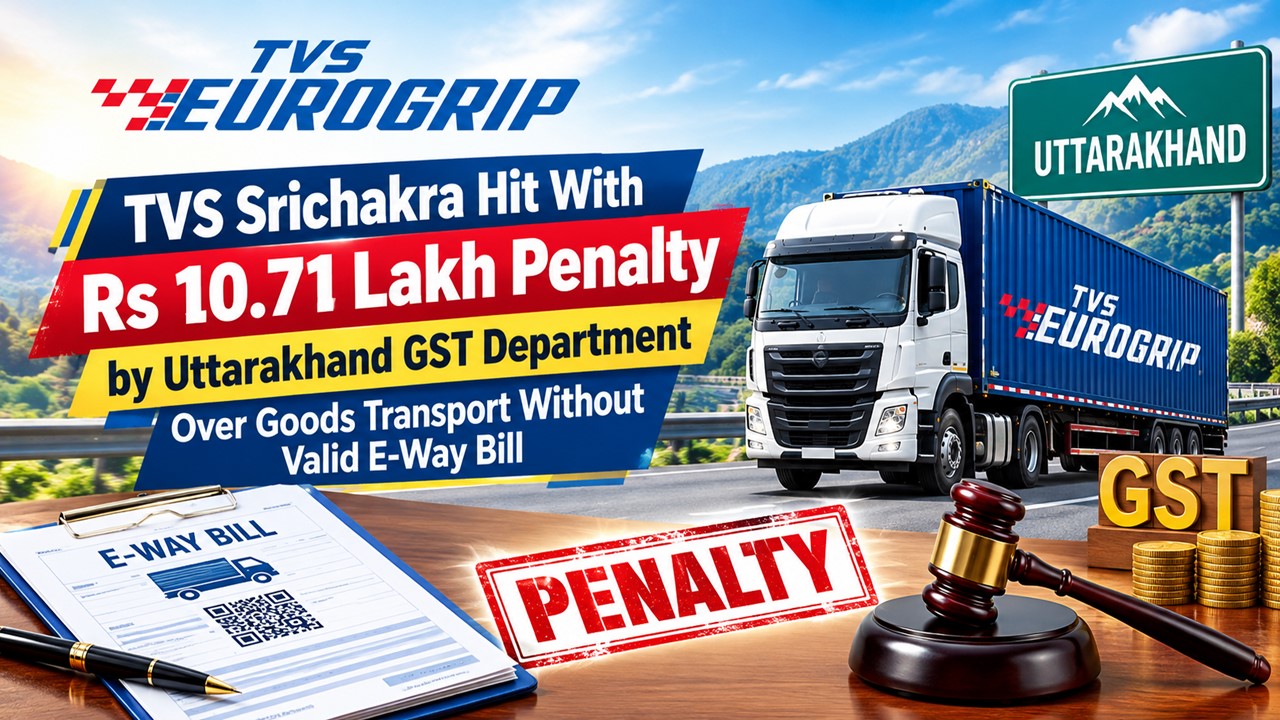
- TVS Srichakra Hit With Rs 10.71 Lakh Penalty by Uttarakhand GST Department Over Goods Transport Without Valid E-Way Bill
- Tenneco Clean Air India Receives Rs 56.70 Crore GST Show Cause Notice Over Alleged Excess Input Tax Credit Claim
- CBI Registers Major Corruption Case in Punjab Over Alleged Manipulation of Officer Transfers, Government Decisions and Administrative Matters
- ITAT Restores 80G Approval Application to CIT(E) for Fresh Adjudication After Section 12AB Registration Rejection Was Set Aside
- H.G. Infra Engineering Receives Major Relief as Karnataka Tax Department Drops Rs 94 Crore Demand with Nil Liability
Loading suggestions…


Recent Posts
All Posts



Tags
Recent Posts
All Posts