UPI Introduces EMI Payments and Higher Transaction Limits:
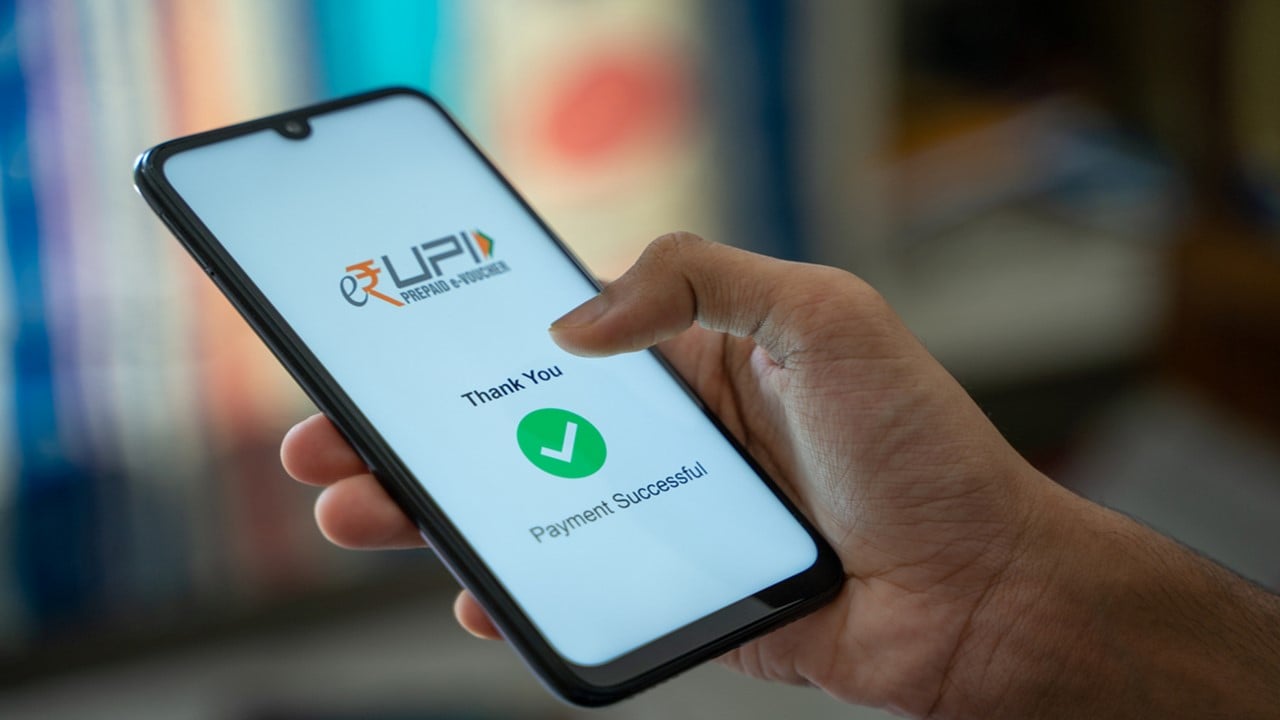
NPCI plans to introduce instant EMI options on UPI, simplifying monthly installment payments.
UPI Makes Credit Simple and Convenient
 Vanshika verma
 Oct 4, 2025
Table of Contents

UPI Introduces EMI Payments and Higher Transaction Limits
Users will now be able to pay their EMIs through UPI by scanning the QR code, selecting a plan, and completing the payment. It offers a fast, secure, and convenient solution, eliminating the need for users to remember due dates or make manual transfers.
The National Payments Corporation of India (NPCI) is planning the next step for digital payments. After adding RuPay credit cards and credit lines to UPI, the next focus is to let users turn UPI payments into EMIs (monthly installments). This will make credit easier to access, encourage bigger purchases, and make UPI even more important as India’s main payment system.
NPCI is also getting ready to allow fintech companies to offer an EMI option on UPI. This means users could instantly split their payments into monthly installments. The service isn’t live yet, but it’s expected to increase credit transactions on UPI. It will work like card-based payments at stores, where customers can divide their payment into EMIs at the terminal.
Why is it important?
NPCI is doing this as RuPay credit cards on UPI are becoming popular. UPI now supports credit lines too, so it’s more than just a payment tool. Many banks are already partnering with fintech firms like Navi and Paytm to offer these credit options to users. Navi CEO Rajiv Naresh said the EMI option isn't active yet, but the next rollout will let customers split payments into EMIs while scanning a QR code, provided certain conditions are met. NPCI plans to charge an interchange fee of about 1.5% on credit lines through UPI, opening up a clear revenue stream. PayU CEO Anirban Mukherjee also highlighted the potential tied to immediate credit on UPI in his remarks. UPI transaction limits have been revised from this month. For investments and insurance, the cap has gone up from Rs. 2 lakh to Rs. 5 lakh per transaction, with a daily limit of Rs. 10 lakh. On the government e-marketplace and for tax payments, the limit has been raised from Rs. 1 lakh to Rs. 5 lakh. Travel bookings now allow Rs. 5 lakh per transaction (Rs. 10 lakh daily), while credit card bill payments are permitted up to Rs. 5 lakh at once, with a daily ceiling of Rs. 6 lakh. For loan and EMI collections, the limit has been raised to Rs. 5 lakh per transaction, with a maximum of Rs. 10 lakh per day. Jewelry purchases can now go up to Rs. 2 lakh per transaction, double the earlier Rs. 1 lakh cap, with a daily ceiling of Rs. 6 lakh. For term deposits, the per-transaction limit has been increased from Rs. 2 lakh to Rs. 5 lakh.UPI Transaction Limit
UPI transaction limits have been increased starting this month. Here’s a breakdown: Investments and Insurance: Now Rs. 5 lakh per transaction, up from Rs. 2 lakh, with a daily limit of Rs. 10 lakh. Government e-Marketplace & Tax Payments: Limit increased from Rs. 1 lakh to Rs. 5 lakh. Travel Bookings: Rs. 5 lakh per transaction, Rs. 10 lakh daily. Credit Card Payments: Rs. 5 lakh at a time, with a daily limit of Rs. 6 lakh. Loans & EMI Collections: Rs. 5 lakh per transaction, Rs. 10 lakh per day. Jewelry Purchases: Rs. 2 lakh per transaction (was Rs. 1 lakh), daily limit Rs. 6 lakh. Term Deposits: The per-transaction limit increased from Rs. 2 lakh to Rs. 5 lakh.About Author


Vanshika verma
Content Writer
Vanshika Verma is a Content Writer with 1+ year of experience at Studycafe.in. A B.Com graduate from Delhi University, She writes articles on Finance, Tax, ICAI, GST, and the latest financial news, with a focus on making complex topics easy for readers and professionals.
Vanshika Verma is a Content Writer with 1+ year of experience at Studycafe.in. A B.Com graduate from Delhi University, She writes articles on Finance, Tax, ICAI, GST, and the latest financial news, with a focus on making complex topics easy for readers and professionals.
 Studycafe
 Delhi, Delhi, India
 2096
2096My Recent Articles
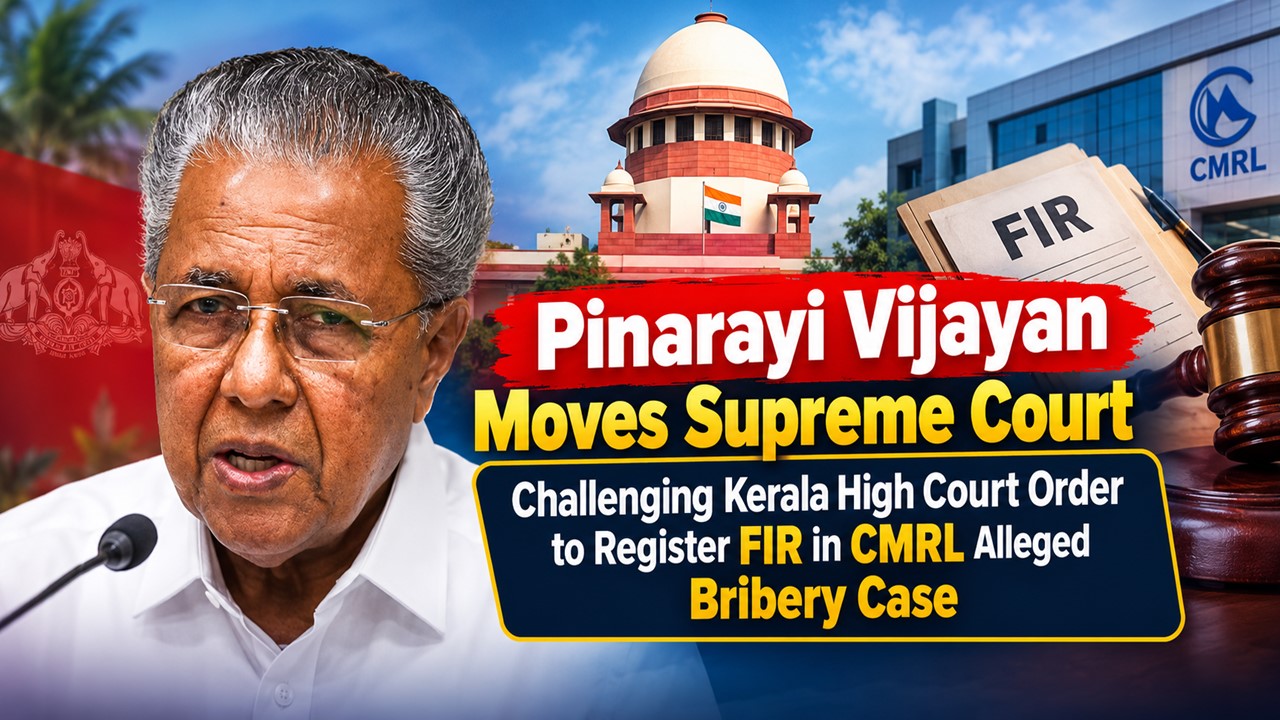
- Pinarayi Vijayan Moves Supreme Court Challenging Kerala High Court Order to Register FIR in CMRL Alleged Bribery Case
- CBI Lays Trap in Srinagar, Arrests SMC Ward Officer Red-Handed While Allegedly Accepting Rs 10,000 Bribe
- NIIT Limited Discloses Income Tax Department’s Appeal Before Delhi ITAT, Says No Adverse Financial Impact Expected
- Fake WhatsApp Boss Dupes Company Accountant of Rs 40 Lakh; Surat Police Arrest Haryana Man in Cyber Fraud Case
- Uttarakhand Tax Department Detects Rs 2.5 Crore Tax Evasion at Ramnagar Resort
Up Next
Loading suggestions…


Recent Posts
All Posts

Tags
Recent Posts
All Posts